
The best hiking boots for plantar fasciitis pair rigid arch support with a locked-in heel and firm midsole to ease the stabbing heel pain that turns a trail walk into an ordeal. This guide compares six tested 2026 pairs across arch support, heel-counter stability, cushioning, and orthotic fit, so you can match a boot to your feet rather than guessing between models that all claim comfort.
As an Amazon Associate we earn from qualifying purchases.
🛒 Best Price Today on Amazon
Prime members get fast, free shipping on everything above, plus member-only deals. New members get a 30-day free trial — cancel anytime.
Start 30-Day Prime Free Trial →See Today’s Amazon DealsHow to Choose the Best Hiking Boots for Plantar Fasciitis
The best hiking boots for plantar fasciitis put support and stability first, since the right structure keeps strain off the inflamed fascia. Before comparing models, weigh four levers that decide relief: arch support, heel counter, cushioning and heel drop, and orthotic-friendly fit. Get these right and the boot, not your foot, does the work.
Arch Support and Torsional Rigidity
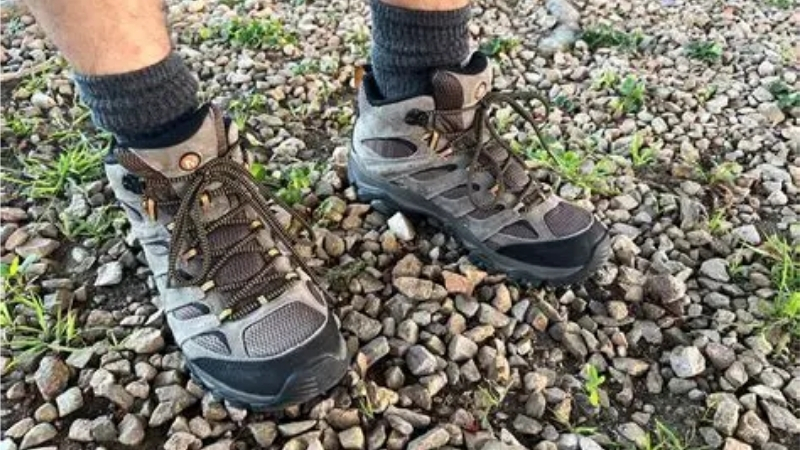
A firm arch and a torsionally rigid midsole are the backbone of plantar fasciitis relief, since they stop the foot from twisting and overloading the fascia. A molded nylon shank adds midfoot resistance you can feel when you twist the boot by hand.
That stiffness means the boot absorbs the ground’s chaos instead of your foot. Look for specs mentioning an anatomical arch or a supportive shank rather than a soft, flexible sole that lets the arch collapse.
Heel Counter and Stability
A stiff heel counter locks your heel in place, preventing the lateral rolling that aggravates an inflamed fascia. A structured heel cup keeps the foot neutral through every stride on uneven ground.
Stability over flexibility is the theme here, since a wobbly heel undoes good cushioning. Lace-up closures and a gusseted tongue that hold the foot steady stop you from sliding inside the boot.
Cushioning and Heel Drop
Targeted heel cushioning softens impact where plantar fasciitis hurts most, easing the pounding of each step. Dual-density or plush midsole foam absorbs shock while still supporting the arch.
A moderate heel drop, often around eight to twelve millimeters, offloads the fascia better than a low or zero drop for many sufferers. Change drop gradually, since a big jump can strain the Achilles as your body adapts.
Orthotic-Friendly Fit
Many people with plantar fasciitis use custom orthotics, so a removable footbed and enough interior volume matter for a proper fit. Boots that accept your own insole let you fine-tune the support.
Fit trumps everything, so aim for a snug heel, no pressure points, and room for your toes. Try boots later in the day with your hiking socks and any orthotics you plan to wear.
Buying Supportive Hiking Boots in 2026: Prices and Timing
Beyond specs, timing shapes what you pay for the best hiking boots for plantar fasciitis in 2026. Footwear costs have climbed under tariff pressure, and seasonal sales cycles swing prices, so a little planning helps.
Tariffs and Footwear Costs
Footwear has been among the categories most affected by tariffs, with mid-range boots reported shifting up by roughly twenty to fifty dollars. Brands have described new tags as estimates that may move as trade conditions change.
The practical upshot is that waiting for a deep discount can backfire if the next restock lists higher. When a supportive pair in your size appears at a fair price, buying can beat holding out.
Seasonal Timing
Boots see the widest selection in spring and around back-to-school, when brands push fresh lineups. End-of-season clearance often brings the steepest markdowns as models roll over to a new version.
Major sales windows, including October’s Prime Big Deal Days and the late-November Black Friday and Cyber Monday stretch, tend to deliver the year’s best footwear discounts.
Buy Early and Break In Gently
If a trip is coming, buy early so you can break the boots in slowly on short walks and confirm the support relieves rather than aggravates your feet. Ease into any change in heel drop.
Early buying also lets you add your orthotics and test the fit over several outings, so nothing surprises your fascia on a long trail day.
Top Picks: The Best Hiking Boots for Plantar Fasciitis Reviewed
These six picks for the best hiking boots for plantar fasciitis span a cushioned support champ, a torsionally rigid value classic, an orthotic-friendly boot, and a stable backpacking option. The table gives a quick overview, then each review covers who it suits and its trade-offs.
| Model | Support Feature | Best For | Price Tier |
|---|---|---|---|
| HOKA Kaha 3 GTX | Dual-density foam | Cushioned support | Premium |
| Merrell Moab 3 Mid | Nylon arch shank | Value support | Mid |
| KEEN Targhee IV Mid | Removable footbed | Orthotic-friendly | Mid |
| Oboz Sawtooth X Mid | ACT+ midsole, heel cup | Stability | Mid |
| Salomon Quest 4 GTX | Advanced Chassis | Backpacking support | Premium |
| Columbia Crestwood Mid | TechLite cushioning | Budget comfort | Budget |
HOKA Kaha 3 GTX
The HOKA Kaha 3 GTX is our cushioned support pick, combining a sturdy structure with dual-density foam that supports the arch and heel while absorbing impact so landings are barely felt. Testing found it stable and well-balanced on uneven trails.
Its tall, plush platform is more boot than minimalists want, and it costs a premium. For hikers who want maximum cushioning plus real arch support, it is a top choice for sore feet.
Merrell Moab 3 Mid
The Merrell Moab 3 Mid is our value support pick, built around a molded nylon arch shank that delivers torsional rigidity without feeling stiff or uncomfortable. Twist it by hand and you feel the midfoot resistance that protects the fascia.
It offers out-of-the-box comfort, though the stock footbed suits many but not all feet. For dependable arch support at a fair price, it is a proven, do-everything choice.
KEEN Targhee IV Mid
The KEEN Targhee IV Mid is our orthotic-friendly pick, pairing a removable footbed with a protective bruise plate and a roomy toe box at a competitive price. Swapping in custom orthotics is easy thanks to the extra volume.
Its generous fit can feel loose for narrow feet. For hikers who rely on custom insoles or want room to add support, it is a flexible, comfortable option.
Oboz Sawtooth X Mid
The Oboz Sawtooth X Mid is our stability pick, with an ACT+ midsole and substantial arch support that keep the foot neutral, plus a structured heel cup that locks everything in place. It prioritizes support over shaving ounces.
That stability comes with more weight than nimble trail shoes. For hikers who value a locked-in, supportive ride that curbs lateral rolling, it excels on rough ground.
Salomon Quest 4 GTX
The Salomon Quest 4 GTX is our backpacking support pick, with an Advanced Chassis for serious lateral stability and shock-absorbing cushioning that steady the foot under a heavy pack. It supports fascia-friendly alignment on technical terrain.
It is heavier and pricier than day-hiking boots and needs a break-in. For hikers carrying big loads who need maximum support, it is a robust, protective choice.
Columbia Crestwood Mid
The Columbia Crestwood Mid is our budget comfort pick, delivering TechLite midsole cushioning for long-lasting comfort and energy return at an accessible price. Its secure lace-up fit and grippy outsole round out a supportive everyday hiker.
It offers less rigid arch structure than premium support boots. For budget-minded hikers who want soft cushioning and a comfortable fit, it is a sensible starting point.
Frequently Asked Questions
Quick answers to the questions hikers ask most when choosing the best hiking boots for plantar fasciitis. This is general information, not medical advice, so see a professional for persistent heel pain.
What features matter most for plantar fasciitis?
Prioritize rigid arch support, a stiff heel counter that locks the foot in place, and a torsionally firm midsole that stops twisting. A moderate heel drop and targeted heel cushioning also help. Together these keep strain off the inflamed fascia so the boot handles the ground, not your foot.
Can I hike with plantar fasciitis?
Yes, hiking with plantar fasciitis is usually possible with the right footwear, support, and pacing. Boots with strong arch support, a stable heel, and enough room for orthotics make a real difference. If pain is severe or persistent, consult a podiatrist or physical therapist before ramping up trail mileage.
Should I use custom orthotics in hiking boots?
Many people with plantar fasciitis benefit from custom or supportive aftermarket insoles, which is why a removable footbed and roomy fit matter. Orthotics can add targeted arch support the stock insole lacks. Choose boots with enough interior volume to accommodate them without cramping your toes.
Does heel drop really affect heel pain?
For many sufferers, a moderate heel drop around eight to twelve millimeters eases tension on the plantar fascia and Achilles compared with low or zero drop. Change drop gradually, no more than a few millimeters at once, to let your body adapt and avoid calf strain during the transition.
See More:
- Best shoes for trail running
- Best rated binoculars for hunting
- Best waterproof boots for hiking
- best waterproof rain jacket women
- sleeping pad best
Final Thoughts
Choosing the best hiking boots for plantar fasciitis comes down to matching arch support, heel stability, and cushioning to your feet rather than chasing looks or low weight. The HOKA Kaha 3 GTX leads for cushioned support, the Merrell Moab 3 delivers value with its nylon shank, and the KEEN Targhee IV welcomes orthotics, while the Columbia Crestwood covers the budget. Buy early, break them in gently, and any of these six can help keep heel pain off the trail.
Our top picks


As an Amazon Associate we earn from qualifying purchases at no extra cost to you.
Write Your Review
No reviews yet. Be the first to share your experience!