
Key takeaways
The best hiking and trail running shoes do double duty, light and grippy enough to run singletrack yet cushioned and protective enough for a long day on the trail. This guide compares six tested 2026 hybrid picks across cushioning, grip, weight, and fit, so you can match a shoe to road-to-trail miles, all-mountain hikes, or fast-and-light adventures rather than owning two separate pairs.
As an Amazon Associate we earn from qualifying purchases.
🛒 Best Price Today on Amazon
Prime members get fast, free shipping on everything above, plus member-only deals. New members get a 30-day free trial — cancel anytime.
Start 30-Day Prime Free Trial →See Today’s Amazon DealsHow to Choose the Best Hiking and Trail Running Shoes
The best hiking and trail running shoes balance running agility with hiking protection for mixed use. Before comparing models, weigh four levers that decide the fit for your terrain: cushioning, grip, weight and protection, and fit with drop. Get these right and one shoe covers both running and hiking well.
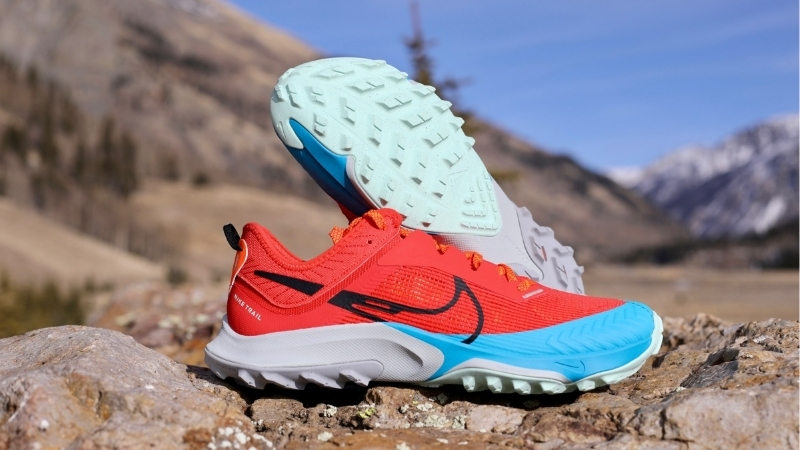
Cushioning
Cushioning decides comfort on long days and impact on the run, so match the stack height to your distances. Moderate cushioning suits mixed use, while max cushioning helps on very long hikes and ultra runs.
A lively, responsive midsole foam feels good running yet still absorbs the pounding of a full day hiking. Too little cushion tires you on distance, while too much can feel unstable on technical ground.
Grip
Grip keeps you sure-footed across surfaces, so look at the outsole rubber and lug depth. A quality compound like Vibram Megagrip bites on rock, dirt, and wet terrain across both running and hiking.
Shallow lugs suit road-to-trail and hard-packed paths but slip in mud, while deep lugs grip loose, steep ground but feel clumsy on pavement. Match lug depth to the terrain you cover most.
Weight and Protection
Lighter shoes run faster and tire you less, while more protection helps on rough trails and under a pack. Balance the two based on whether you run more or hike more.
A rock plate and toe cap shield your feet on technical terrain, adding weight but preventing bruising. For fast, smooth routes, prioritize low weight; for rugged, loaded days, prioritize protection.
Fit and Drop
Fit makes or breaks comfort, so look for secure midfoot lockdown and a toe box that suits your feet. A roomy toe box lets toes spread on descents, reducing fatigue and hotspots on long days.
Heel-to-toe drop affects your stride, with lower and zero-drop platforms feeling natural to some and higher drops cushioning others. Note that some trail shoes run small, so check sizing before buying.
Buying Hiking and Trail Running Shoes in 2026: Prices and Timing
Beyond specs, timing shapes what you pay for the best hiking and trail running shoes in 2026. Footwear costs have climbed, and seasonal cycles swing prices, so a little planning stretches your budget.
Tariffs and Footwear Costs
Tariffs have pushed footwear prices upward this year, with some outdoor shoes seeing meaningful increases. Brands have described some new prices as estimates that may shift as trade conditions change.
The practical upshot is that quality shoes are unlikely to get much cheaper at full retail. When a model you want appears at a fair price, buying can beat waiting for a discount that may not undercut a rising baseline.
Seasonal Timing
Trail shoe selection peaks in spring and summer, so the deepest discounts often land as new models arrive and last season’s versions clear out. Popular sizes sell through first.
Major sales windows, including October’s Prime Big Deal Days and the late-November Black Friday and Cyber Monday stretch, typically deliver strong footwear deals, and last-generation models offer great value.
Buy Early and Break Them In
Buy before your big trip or race so you can break the shoes in on shorter outings and confirm the fit. Some shoes feel great out of the box, but many need a few miles to settle.
Early buying also lets you test grip and comfort on your usual terrain and dial in socks and lacing before you commit to a long day.
Top Picks: The Best Hiking and Trail Running Shoes Reviewed
These six picks for the best hiking and trail running shoes span an all-round hybrid, a comfort-first hiker, a plush all-mountain shoe, a zero-drop natural fit, a do-it-all all-rounder, and a budget value. The table gives a quick overview, then each review covers who it suits and its trade-offs.
| Model | Strength | Best For | Price Tier |
|---|---|---|---|
| Hoka Speedgoat 7 | Grip, cushion, stability | Best all-round hybrid | Mid-premium |
| Merrell Moab Speed 2 | Lightweight comfort | Comfort-first hiking | Mid |
| Saucony Xodus Ultra 4 | Plush, protective grip | All-mountain long days | Mid-premium |
| Altra Lone Peak 9 | Zero-drop, roomy toe box | Natural fit | Mid |
| Brooks Cascadia 20 | Versatile do-it-all | Mixed terrain | Mid |
| Asics Gel-Venture 10 | Comfort and value | Budget all-rounder | Budget |
Hoka Speedgoat 7
The Hoka Speedgoat 7 is our best all-round hybrid, pairing a dependable Vibram Megagrip outsole with a supercritical foam midsole and a stable, adventure-ready platform that runs technical trails and hikes long days alike. It is confidence-inspiring across a wide range of terrain.
Its narrow-friendly fit runs small, so many size up. For hikers and runners who want one grippy, cushioned do-everything shoe, it is the standout.
Merrell Moab Speed 2
The Merrell Moab Speed 2 is our comfort-first hiking pick, a lightweight shoe with a FloatPro EVA midsole and immediate out-of-the-box comfort that works for beginners and experienced trekkers. It moves fast on trail while cradling your foot.
It is not built for the most technical, rugged terrain. For hikers who prize comfort and light weight on moderate trails, it is an excellent choice.
Saucony Xodus Ultra 4
The Saucony Xodus Ultra 4 is our all-mountain long-days pick, a plush, protective, grippy shoe that stays comfortable over long distances and rough terrain without feeling heavy or slow. It balances protection and nimbleness rarely found together.
Its cushioning is more than some runners want for short, fast efforts. For hikers and ultra runners who tackle big days, it is a top performer.
Altra Lone Peak 9
The Altra Lone Peak 9 is our natural-fit pick, the definitive zero-drop trail shoe with a roomy FootShape toe box that lets toes spread on descents, reducing fatigue and hotspots on long days. It suits wide feet and a natural stride.
The zero-drop platform takes adjustment if you are used to a heel lift. For hikers and runners who want a flat, foot-shaped fit, nothing else comes close.
Brooks Cascadia 20
The Brooks Cascadia 20 is our mixed-terrain pick, a versatile do-it-all trail shoe with balanced cushioning, protection, and stability that handles running and hiking across varied ground. It is a dependable all-rounder for most trails.
It does not specialize in speed or max cushion. For hikers and runners who want one reliable shoe for everything, it is a smart, well-rounded choice.
Asics Gel-Venture 10
The Asics Gel-Venture 10 is our budget all-rounder, a do-it-all hybrid at a wallet-friendly price with a surprisingly smooth road ride and enough grip for dry, hard-packed paths and rocky tracks. It punches above its weight in comfort and support.
It is heavier and less refined than premium shoes. For hikers and runners who want reliable versatility on a budget, it is hard to beat.
Frequently Asked Questions
Quick answers to the questions buyers ask most when choosing the best hiking and trail running shoes.
Can one shoe really work for both hiking and running?
Yes, hybrid trail shoes are designed exactly for this, offering enough cushioning and grip to run yet enough protection and comfort to hike. The best road-to-trail and all-mountain models handle both well, saving you from owning two pairs. The trade-off is that a hybrid is a jack-of-all-trades, so dedicated racing or heavy-load hiking may still want a specialized shoe.
Do I need waterproof trail shoes?
It depends on your conditions. Waterproof versions, often labeled GTX, keep feet dry in wet weather but breathe less and dry slower once soaked. Non-waterproof mesh shoes breathe better and drain faster, which many trail runners prefer. For cold, wet hikes choose waterproof; for warm weather or frequent stream crossings, breathable non-waterproof shoes often work better.
How much lug depth do I need?
It depends on terrain. Shallow lugs work well for road-to-trail routes and hard-packed paths and feel smoother on pavement, while deep, aggressive lugs grip mud, sand, and loose, steep ground but feel clumsy on hard surfaces. If you mix pavement and smooth trail, choose moderate lugs; for technical, muddy terrain, go deeper.
Should I size up in trail shoes?
Often, yes. Many trail shoes run small, and feet swell on long days, so a little extra room prevents toes hitting the front on descents. A roomy toe box also lets toes spread for stability and comfort. Try shoes on later in the day with your trail socks, and leave a thumb’s width of space at the front.
See More:
- best rain jacket for runners
- best everyday carry multi tool
- best travel binoculars
- best safari binoculars
- best rangefinding binoculars
Final Thoughts
Choosing the best hiking and trail running shoes comes down to matching cushioning, grip, and fit to your terrain rather than chasing one spec. The Hoka Speedgoat 7 leads as an all-round hybrid, the Merrell Moab Speed 2 prioritizes comfort, and the Altra Lone Peak 9 offers a natural fit, while the Asics Gel-Venture 10 covers the budget. Buy early, break them in, and any of these six will carry you from trailhead to summit.
Our top picks


As an Amazon Associate we earn from qualifying purchases at no extra cost to you.

Write Your Review
No reviews yet. Be the first to share your experience!