
The best binoculars small enough to pocket trade a little brightness for the freedom to carry them everywhere, so you never miss a bird, a ridgeline, or a stadium moment. This guide compares six tested 2026 compacts on magnification, objective size, weight, and low-light clarity, so you can match a pair to travel, hiking, or wildlife without hauling full-size glass.
As an Amazon Associate we earn from qualifying purchases.
🛒 Best Price Today on Amazon
Prime members get fast, free shipping on everything above, plus member-only deals. New members get a 30-day free trial — cancel anytime.
Start 30-Day Prime Free Trial →See Today’s Amazon DealsHow to Choose the Best Binoculars Small Enough to Carry
The best binoculars small enough to live in a pocket still need to earn their keep optically. Before comparing models, weigh four levers that shape the view: magnification, objective lens size, glass and coatings, and weight with pocketability. Get these right and a compact pair replaces your excuses for leaving optics at home.
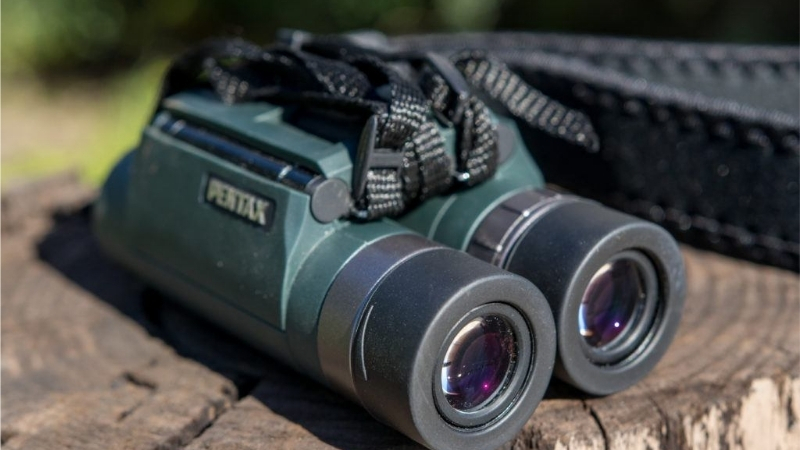
Magnification and Field of View
Compact binoculars typically come in eight-power or ten-power, and the choice shapes your view. Eight-power offers a wider field of view that makes finding and following birds in cover easier, while ten-power pulls distant subjects closer in open terrain.
Higher magnification also amplifies hand shake and narrows the field, so it demands steadier hands. For general hiking and travel, eight-power is the forgiving, do-everything default most users prefer.
Objective Lens Size
The objective lens, the second number in a spec like eight-by-twenty-five, sets how much light the binocular gathers. Compacts run roughly twenty to thirty-two millimeters, and larger objectives brighten dawn, dusk, and dense-forest views.
Smaller twenty and twenty-five millimeter objectives make the truly pocketable pairs but struggle in dim light. A twenty-five to thirty-two millimeter objective is the sweet spot balancing brightness against packability.
Glass Quality and Coatings
Lens quality matters as much as size, so look for fully multi-coated optics and, ideally, phase-corrected roof prisms or quality BaK-4 prisms. These reduce glare and boost light transmission for sharper, more vibrant images.
Extra-low-dispersion, or ED, glass curbs color fringing on high-contrast edges. It costs more, but the jump in clarity is noticeable when you are studying fine detail at distance.
Weight, Eye Relief, and Fit
Weight and packed size decide whether you actually carry the pair, and the lightest compacts slip into a jacket pocket unnoticed. Under about twenty-four ounces keeps a compact genuinely portable for all-day outings.
Eyeglass wearers should check eye relief, since roughly fifteen millimeters or more lets you see the full field with glasses on. Twist-up eyecups and a comfortable grip round out an easy-to-use compact.
Buying Compact Binoculars in 2026: Prices and Timing
Beyond specs, timing shapes what you pay for the best binoculars small enough to pocket in 2026. Imported optics have felt cost pressure this year, and seasonal sales cycles swing prices, so a little planning goes a long way.
Tariffs and Import Costs
Most binoculars are imported, and tariffs on imported goods have pushed costs upward across the outdoor category this year. Brands have described some new prices as estimates that may shift as trade conditions change.
The practical upshot is that a compact you want is unlikely to drop far below its current price at full retail. When a model appears at a fair price, buying can beat waiting for a discount that may not materialize.
Seasonal Timing
Optics demand rises heading into fall hunting season and the holidays, so the deepest discounts often land in the sales windows just before. Off-season spring shopping can also surface quiet markdowns on last year’s models.
Major events, including October’s Prime Big Deal Days and the late-November Black Friday and Cyber Monday stretch, typically deliver the year’s best binocular deals.
Buy Early for Trips
If a safari, cruise, or birding trip is on the calendar, buy early so you can learn the focus feel and confirm the fit before you depend on it. A little practice makes the difference in the field.
Early buying also beats the stock crunch on popular compact models, which thin out fast ahead of peak travel and hunting seasons.
Top Picks: The Best Binoculars Small Enough to Pocket
These six picks for the best binoculars small enough to pocket span budget waterproof compacts, mid-tier clarity standouts, and premium ultralight glass. The table gives a quick overview, then each review covers who it suits and its trade-offs.
| Model | Config | Best For | Price Tier |
|---|---|---|---|
| Nikon Prostaff P3 8×30 | 8×30 | Value all-rounder | Budget |
| OM System 8×25 WP II | 8×25 | Budget waterproof pocket | Budget |
| Zeiss Terra ED 8×25 | 8×25 | Bright mid-tier pocket | Mid |
| Maven B.3 8×30 | 8×30 | Clarity upgrade | Premium |
| Leica Ultravid 8×20 BR | 8×20 | Ultralight premium | Premium |
| Swarovski CL Companion 10×30 | 10×30 | Best-optics compact | Premium |
Nikon Prostaff P3 8×30
The Prostaff P3 8×30 is the value all-rounder, delivering fully multi-coated optics and a comfortable field of view at a friendly price. Its eight-by-thirty configuration balances brightness and portability for hiking and casual wildlife viewing.
It is not truly pocketable like a twenty-five-millimeter compact, sitting closer to daypack territory. For a dependable first pair that punches above its price, it is a smart, low-risk buy.
OM System 8×25 WP II
The 8×25 WP II is a budget waterproof pocket pick, pairing genuinely small dimensions with weather sealing and surprisingly good optics for the money. Fully multi-coated lenses and quality prisms keep daytime images sharp.
The small objective limits low-light performance at dawn and dusk. For travel, daytime birding, and tossing in a jacket without worry, it delivers strong value.
Zeiss Terra ED 8×25
The Terra ED 8×25 is a bright, well-built mid-tier pocket compact with ED glass that sharpens contrast and curbs color fringing. It folds down small and feels reassuringly solid in hand for a lightweight pair.
Its twenty-five-millimeter objective still limits brightness in the dimmest conditions, a compact trade-off. For travelers who want premium-brand optics in a truly portable body, it is a standout.
Maven B.3 8×30
The B.3 8×30 is the clarity upgrade, delivering stunning sharpness and color that testers singled out among compacts, with generous eye relief that suits glasses wearers. It is built for users who will keep a pair for life.
It costs more than entry compacts and is not the smallest here. For anyone stepping up from basic binoculars who wants lasting optical quality, it justifies the spend.
Leica Ultravid 8×20 BR
The Ultravid 8×20 BR is the ultralight premium pick, one of the lightest pairs available yet delivering sharp, vibrant images with minimal chromatic aberration. It vanishes into a pocket while still offering flagship glass.
The twenty-millimeter objective means it is a daytime instrument, and the price is steep. For travelers who refuse to compromise on optics or weight, it is a jewel.
Swarovski CL Companion 10×30
The CL Companion 10×30 is the best-optics compact, a masterclass in refined performance with crisp, color-true images and beautiful balance in the hand. Its ten-by-thirty setup pairs reach with real portability.
It commands a premium price that not everyone will justify. For those who want the finest compact view for birding and glassing distant ridges, it sets the standard.
Frequently Asked Questions
Quick answers to the questions buyers ask most when choosing the best binoculars small enough to travel, hike, and pocket every day.
Is 8x or 10x better in a compact?
Eight-power is the more forgiving choice, offering a wider field of view and steadier images that make finding subjects easier, especially in cover. Ten-power pulls distant subjects closer for open terrain but amplifies hand shake and narrows the view, so it rewards steady hands.
Why do small binoculars struggle in low light?
Brightness depends heavily on objective lens size, and compacts use small twenty to thirty-two millimeter objectives that gather less light. That is fine in daylight but limits performance at dawn, dusk, and in dense forest, where a larger objective would show a brighter view.
Can compact binoculars work for stargazing?
They can show the moon, bright star clusters, and wide sky fields, though small objectives limit faint-object viewing. For casual skywatching a quality compact is fun and portable, but dedicated astronomy rewards larger objectives that gather far more light.
Do I need waterproof compacts?
If you travel, hike, or face changeable weather, waterproof and fog-proof sealing is worth it for peace of mind and longevity. For strictly indoor or fair-weather use it matters less, but the modest premium usually pays off the first time you get caught in the rain.
Final Thoughts
Choosing the best binoculars small enough to carry comes down to matching magnification, objective size, and glass quality to how and where you will use them rather than chasing one number. The Nikon Prostaff P3 8×30 leads on value, the OM System 8×25 WP II and Zeiss Terra ED 8×25 pack real quality into a pocket, and the Leica Ultravid 8×20 BR and Swarovski CL Companion 10×30 deliver premium glass. Buy ahead of your trips, learn the focus, and any of these six will keep the view close at hand.
Our top picks
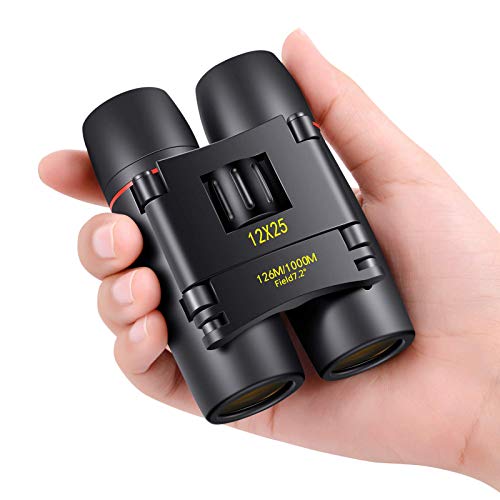


As an Amazon Associate we earn from qualifying purchases at no extra cost to you.

Write Your Review
No reviews yet. Be the first to share your experience!