Key takeaways
What's inside
Hiking safety checklist planning is what turns a scary situation into a manageable one when a hike goes sideways. This roundup organizes six field-tested essentials by safety system, from illumination and first aid to shelter and communication, so you can carry the gear that keeps you found, seen, and protected whatever the trail throws at you.
As an Amazon Associate we earn from qualifying purchases.
By Jake Thompson
How to Build a Hiking Safety Checklist
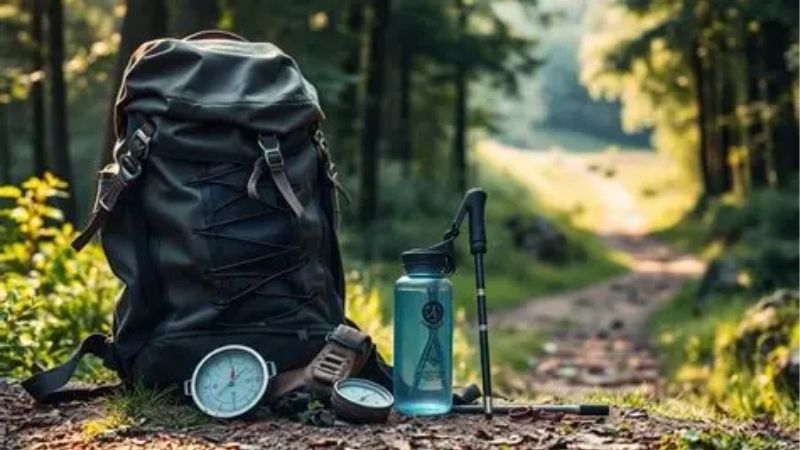
Safety gear works best as a set of systems, not random items. A good hiking safety checklist draws on the classic Ten Essentials idea, covering navigation, light, first aid, shelter, communication, and water. Start by understanding the three principles that make a checklist genuinely protective.
Cover Every Safety System
Each system addresses a different way a hike can go wrong. Navigation keeps you on route, light lets you move after dark, first aid handles injuries, shelter fights exposure, and communication summons help. A complete checklist includes one reliable item for each, so no single failure leaves you stranded.
Skipping a system creates a gap. A bright headlamp does not help a bleeding hand, and a first aid kit will not warm you through a cold night. Building your checklist system by system ensures you are covered across the full range of realistic trail emergencies.
Match Gear to Your Trip
Scale the kit to the risk. A short, popular day hike near town needs less than a remote, multi-day trek far from cell service. Consider distance, weather, terrain, and how alone you will be, then adjust your checklist so it fits the trip without becoming dead weight.
Some items belong on every hike. Light, first aid, and water treatment are non-negotiable even on short outings, while a satellite messenger matters most on remote trips. Tailoring the checklist keeps it practical, so you carry what the day actually demands rather than hauling gear you will never touch.
Tell Someone and Check Your Gear
The most important safety step weighs nothing: tell someone your plan and expected return time. If you do not come back, that information launches a rescue far faster than any device. Pair this habit with knowing how to use every item on your checklist before you need it.
Maintenance keeps gear ready. Check batteries, restock used first aid supplies, and replace expired water tablets before each significant trip. A light with dead batteries or an empty filter fails exactly when it matters, so a quick pre-trip review of your kit is time very well spent.
Top Picks: Your Hiking Safety Checklist
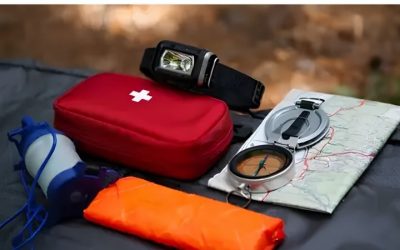
With those principles in mind, here is a hiking safety checklist of six field-tested essentials, one for each safety system. The table sums up each item’s role, and the reviews below explain who each one suits and the trade-offs to weigh so you can adapt the kit to your trips.
| System | Gear | Role | Best For |
|---|---|---|---|
| Illumination | Black Diamond Spot 400 | See in the dark | Night and early starts |
| First aid | Adventure Medical Kit | Treat injuries | Cuts and sprains |
| Shelter | SOL Emergency Bivvy | Retain body heat | Unplanned nights |
| Communication | Garmin inReach Mini 2 | Call for rescue | Remote trips |
| Navigation | Compass and map | Find your way | Staying on route |
| Hydration | Water filter or tablets | Safe drinking water | Any trip |
Black Diamond Spot 400 – Illumination
A headlamp is a non-negotiable on any hiking safety checklist, since being caught after dark is a common cause of trouble. The Black Diamond Spot 400 delivers 400 lumens, IPX8 waterproofing, and a long low-mode runtime, letting you find the trail, set up camp, or self-rescue hands-free at night.
Its max output trails dedicated high-power lights, and the base model runs on AAA cells. But for a proven, waterproof, sensibly priced light that covers night hiking and camp use, it belongs in every pack, every trip.
Adventure Medical Kit – First Aid
A first aid kit handles the injuries that turn a hike bad. A compact Adventure Medical Kit bundles bandages, wound care, blister treatment, and basic medications into a light, organized pouch, giving you the means to treat cuts, sprains, and blisters before they end your day or worse.
Pre-made kits may miss items specific to you, so customize and restock them. But as a ready-made foundation for trailside injuries, a quality first aid kit is an essential, no-excuses inclusion on any safety checklist.
SOL Emergency Bivvy – Shelter
An emergency shelter fights the exposure that kills fastest. The SOL Emergency Bivvy, shaped like a sleeping bag from heat-reflective material, retains up to about 90 percent of your body heat while blocking wind and rain, and it packs to roughly the size of a water bottle for effortless carry.
It is single-layer and less breathable, so condensation can build inside. But as a featherweight, life-saving shelter for an unplanned night out, it is warmth insurance that every safety checklist should include.
Garmin inReach Mini 2 – Communication
A satellite messenger is your lifeline when cell service disappears. The Garmin inReach Mini 2 sends two-way messages and an SOS from anywhere on Earth in a tiny package, letting you share your location and call for rescue on remote or solo trips far beyond a phone’s reach.
It needs a subscription and is a communicator rather than a navigator, so its mapping is limited. But for the peace of mind of summoning help anywhere, nothing else on the checklist packs so much safety into so little weight.
Compass and Map – Navigation
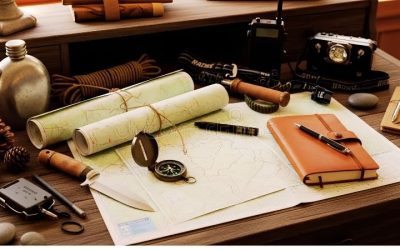
Reliable navigation keeps you from getting lost in the first place. A quality compass paired with a waterproof topographic map never runs out of battery, works in any weather, and lets you orient yourself and take bearings when a phone or GPS dies deep in the backcountry.
Map and compass require practice, since they do not show your live position automatically. But as the fail-safe backbone of navigation, they are the one system guaranteed to work, making them essential to any serious hiking safety checklist.
Water Filter or Tablets – Hydration
Safe water prevents illness that can derail or endanger a trip. A lightweight filter like the Sawyer Squeeze removes bacteria and protozoa from wild sources, while purification tablets serve as an ultralight backup, together ensuring you can drink safely from streams and lakes anywhere you hike.
Filters can clog or freeze and tablets require a wait time, so carrying both adds redundancy. But for the ability to turn any water source into safe hydration, this system is essential on every trip, short or long.
Frequently Asked Questions
A few questions come up again and again when hikers build a hiking safety checklist. Here are quick, practical answers to help you prepare.
What are the Ten Essentials?
The Ten Essentials are the classic safety systems for the outdoors: navigation, illumination, sun protection, first aid, a knife or repair kit, fire, emergency shelter, extra food, extra water, and extra clothing. Modern versions think in systems rather than exact items, letting you scale each to your specific trip and conditions.
What is the single most important safety step?
Telling someone your plan and expected return time. It costs nothing and weighs nothing, yet it launches a rescue quickly if you do not return. No gadget replaces this simple habit, so always share your route and timeline with a reliable person before heading out on any hike.
Do I need all this gear for a short day hike?
Scale the kit to the trip, but some items belong on every hike. Light, first aid, water treatment, and telling someone your plan are non-negotiable even on short outings. A satellite messenger and emergency shelter matter most on remote or multi-day trips, so adjust the rest to your route and conditions.
How often should I check my safety gear?
Review your kit before each significant trip and a few times a year. Check batteries, restock used first aid supplies, replace expired water tablets, and confirm everything works. Gear that fails when you need it undoes all your planning, so a quick pre-trip check is one of the highest-value safety habits.
See More:
- Best camp chair
- Lightweight camp chair
- Camping table review
- Backpacking cookware set
- Camp stove review
Final Thoughts
A good hiking safety checklist covers every safety system so no single problem strands you. The Black Diamond Spot 400, an Adventure Medical kit, and a SOL bivvy handle light, injuries, and shelter, while an inReach Mini 2, a map and compass, and water treatment cover communication, navigation, and hydration. Pack by system, tell someone your plan, and head out prepared for whatever comes.