Key takeaways
Best camping lantern shopping means weighing brightness against runtime, power source, and packability. This roundup compares five field-tested lanterns across lumens, battery life, charging options, and weight, from a phone-charging powerhouse to a packable solar model, so you can light up any campsite the way your trips demand.
As an Amazon Associate we earn from qualifying purchases.
Our top picks


As an Amazon Associate we earn from qualifying purchases at no extra cost to you. Ratings are shown as listed on Amazon.
By Jake Thompson
How to Choose a Camping Lantern
The right lantern depends on how you camp and what you carry. Choosing the best camping lantern means balancing brightness, runtime, and power source against weight, since a car-camping family and an ultralight backpacker need very different lights. Start by thinking through three factors before you buy.
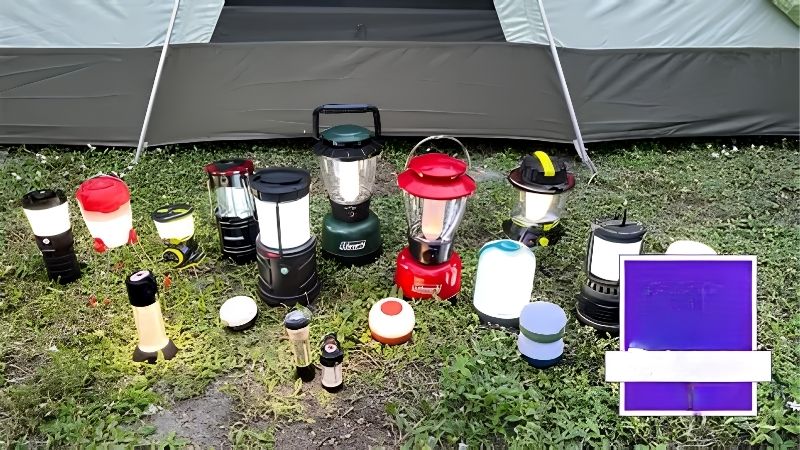
Brightness and Light Quality
Lumens set the ceiling, but light quality shapes the experience. Around 150 to 300 lumens suits personal use, while 400 to 600 or more lights a whole campsite or family table. A frosted globe softens the glow and is easier on the eyes than a harsh clear one during a card game.
Match brightness to the task. A dim nightlight setting is perfect inside a tent, while a bright flood covers cooking and group gatherings. Dimmable lanterns give you both, so the best camping lantern for you offers a range from soft ambiance to full brightness rather than a single harsh setting.
Power Source and Runtime
Power source defines convenience. Rechargeable lanterns are clean and cheap to run and often double as power banks for your phone, while battery-powered models let you swap in fresh cells anywhere for very long runtimes. Solar and hand-crank options add backup power for off-grid and emergency use.
Runtime varies enormously by setting. Manufacturers usually quote the longest runtime at the lowest brightness, so expect far less on high. For multi-day trips, prioritize long medium-mode runtime or a lantern that recharges by solar, which any dependable best camping lantern list weighs alongside raw brightness.
Weight, Size, and Durability
Weight matters based on how you camp. Car campers can ignore it and chase brightness and features, while backpackers need lanterns under a few ounces that pack small. Collapsible and inflatable designs shrink to save space, making them ideal for tight packs and long carries on the trail.
Durability keeps a lantern working trip after trip. A rugged, water-resistant build survives drops and weather, while flimsy models fail early. Consider where and how you will use it, since a tough lantern that also charges devices or floats can be far more useful than a fragile bright one.
Top Picks: The Best Camping Lanterns
With those factors in mind, here are five field-tested options for the best camping lantern, each a clear winner for a different kind of trip. The table sums up the essentials, and the reviews below explain who each one suits and the trade-offs to weigh before you buy.
| Lantern | Lumens | Power | Weight | Best For |
|---|---|---|---|---|
| Goal Zero Lighthouse 600 | 600 | USB, solar, crank, power bank | ~17 oz | Overall |
| BioLite AlpenGlow 500 | 500 | USB rechargeable, power bank | ~13 oz | Light quality |
| Black Diamond Moji | ~150 | AAA or rechargeable | ~3.2 oz | Budget and light |
| LuminAID PackLite | ~150 | Solar and USB | Light | Packable solar |
| Coleman BatteryGuard 1000L | ~1000 | D batteries | Heavier | Runtime and brightness |
Goal Zero Lighthouse 600 – Best Overall
The Goal Zero Lighthouse 600 is the best all-around camping lantern for most people. Its 600 lumens light a whole campsite, a knob dims it smoothly, and it charges via USB, solar, or a built-in hand crank while its 5,200 mAh battery doubles as a power bank for your phone.
It is a little heavy and pricey, the solar panel is sold separately, and the clear globe is bright rather than soft. But for versatility, brightness, and never being stuck in the dark, it is hard to beat.
BioLite AlpenGlow 500 – Best Light Quality
The BioLite AlpenGlow 500 wins on light quality and features. Its frosted globe produces a soft, diffused 500-lumen glow that is easy on the eyes, it offers customizable color and output modes, and its 6,400 mAh battery charges devices, making it a stylish, practical choice for car camping.
At around 13 ounces it is too heavy for long trail carries, and it costs more than brighter rivals. But for ambiance, build quality, and versatile lighting at basecamp or in the tent, it is a standout.
Black Diamond Moji – Best Budget and Light
The Black Diamond Moji is the go-to for backpackers and budget shoppers. At around 3.2 ounces and a very low price, it packs a dimmable glow into a compact, durable body, and versions run on AAA batteries or add rechargeable options, making it easy to toss in any pack.
Its roughly 150-lumen output is meant for personal and tent use, not lighting a whole campsite. But for a cheap, light, reliable lantern that covers close-up tasks, it delivers excellent value.
LuminAID PackLite – Best Packable Solar
The LuminAID PackLite is the pick for off-grid and ultralight use. This inflatable lantern collapses nearly flat to save pack space, recharges by solar as it hangs on your pack, and is waterproof, making it a self-sufficient light source for backpacking and emergency kits alike.
Its output and slower solar charging trail powered lanterns, and the strap can be underbuilt for heavy hanging. But for a packable, solar-powered light that never needs an outlet, it is a clever, dependable choice.
Coleman BatteryGuard 1000L – Best Runtime
The Coleman BatteryGuard 1000L is the classic bright, long-running lantern for car camping. It pumps out around 1000 lumens, runs for many hours on D batteries you can swap anywhere, and its BatteryGuard feature helps prevent drain, delivering dependable brightness for families and power outages alike.
It is heavier and relies on disposable batteries rather than recharging. But for maximum brightness and long runtime at a low price, with the simplicity of swappable cells, it is a reliable basecamp workhorse.
Frequently Asked Questions
A few questions come up again and again when campers shop for the best camping lantern. Here are quick, practical answers to help you choose.
How many lumens do I need for camping?
For personal and tent use, 150 to 300 lumens is plenty, while lighting a whole campsite or family table calls for 400 to 600 or more. A dimmable lantern lets you use soft light for ambiance and full brightness for cooking, giving you flexibility across every camp task.
Rechargeable, battery, or solar lantern?
Rechargeable lanterns are clean and often charge your phone, battery models let you swap cells anywhere for long runtimes, and solar lanterns are self-sufficient for off-grid trips. Many campers keep a rechargeable main lantern and a solar or battery backup, combining convenience with reliability for any situation.
Can a camping lantern charge my phone?
Some can. Models like the Goal Zero Lighthouse 600 and BioLite AlpenGlow 500 include sizable batteries with USB output to recharge phones and small devices. If device charging matters, look for a lantern with a power-bank feature, but note it will trade some lighting runtime for that charging.
What lantern is best for backpacking?
Backpackers should prioritize weight and packability, choosing lanterns under a few ounces that pack small, like the Black Diamond Moji or an inflatable solar model. Around 150 lumens is plenty for personal use. Save the heavy, ultra-bright lanterns for car camping where weight is not a concern.
See More:
- Best camp chair
- Lightweight camp chair
- Camping table review
- Backpacking cookware set
- Camp stove review
Final Thoughts
The best camping lantern depends on how you camp. The Goal Zero Lighthouse 600 leads overall with its power and versatility, the BioLite AlpenGlow 500 wins on light quality, and the Black Diamond Moji keeps it light and cheap, while the LuminAID packs solar power and the Coleman BatteryGuard delivers brightness and runtime. Match brightness, power, and weight to your trips, and light up any campsite with ease.