Key takeaways
Headlamp review roundups exist because a good headlamp is one of those pieces of gear you never think about until you need it in the dark. This roundup compares five field-tested lights across brightness, weight, battery type, and water resistance, from a proven all-rounder to an ultralight favorite, so you can find hands-free light you can trust.
As an Amazon Associate we earn from qualifying purchases.
Our top picks
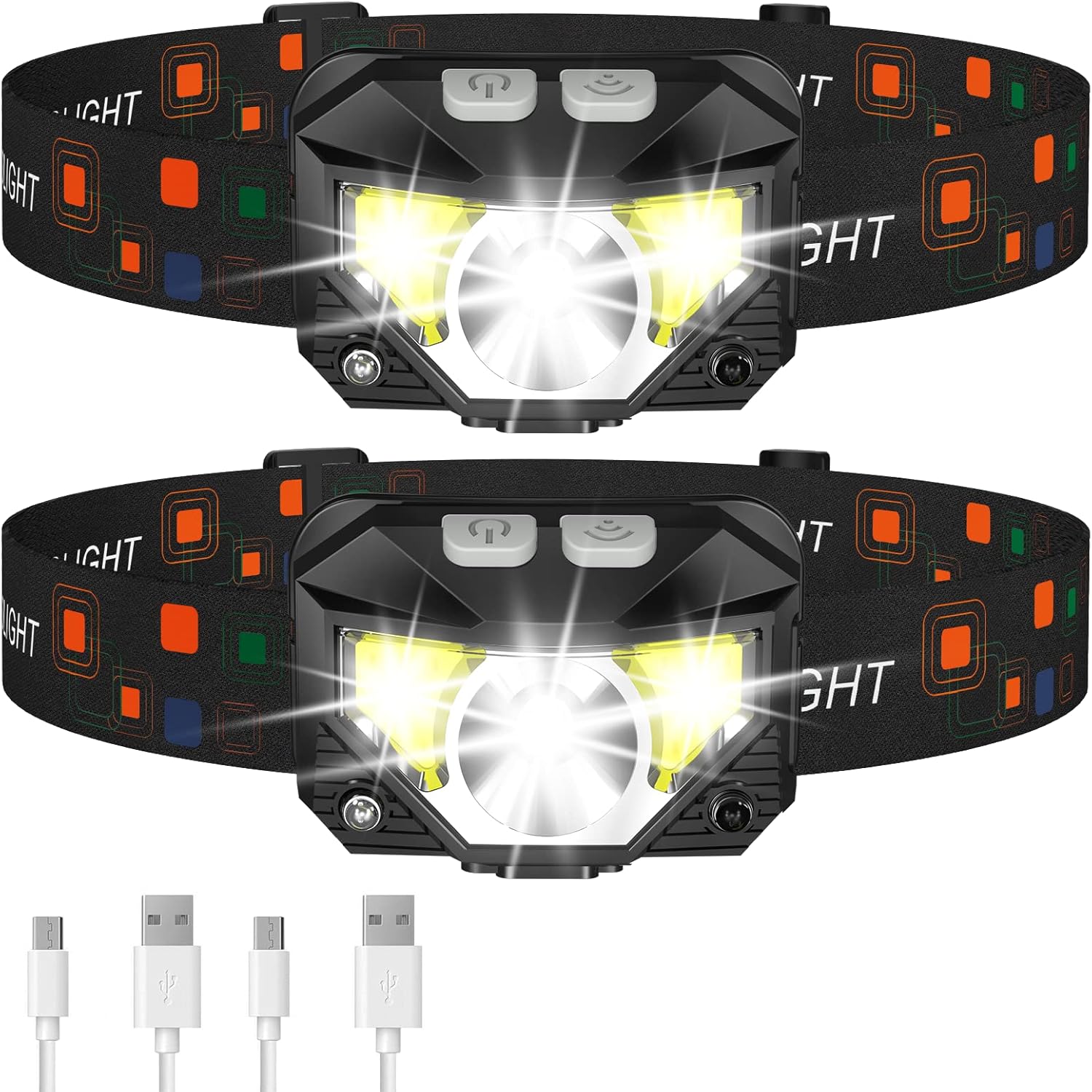 LHKNL Headlamp Flashlight
- Power Source: Battery Powered
- Light Source Type: LED
- White Brightness: 1200 Lumens
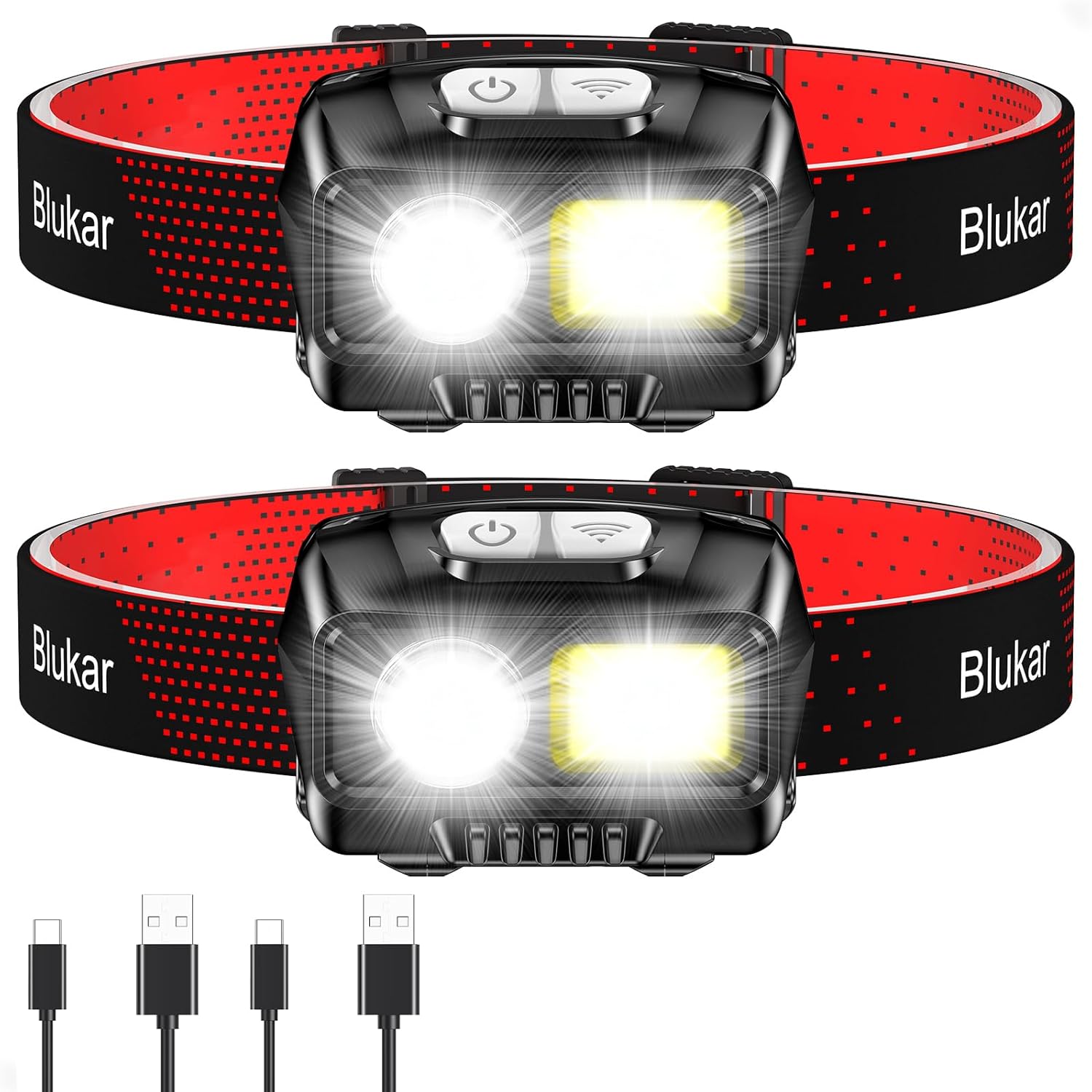 Blukar LED Headlamp Rechargeable
- Power Source: Battery Powered
- Light Source Type: LED
- White Brightness: 2000 Lumens


As an Amazon Associate we earn from qualifying purchases at no extra cost to you. Ratings are shown as listed on Amazon.
By Jake Thompson
How to Choose a Headlamp
The best headlamp balances brightness, weight, and battery to fit your trips. This headlamp review focuses on the specs that actually matter in the field, since a light that is too dim, too heavy, or dead when you need it fails at the one job it has. Weigh three factors first.
Brightness and Beam
Lumens measure output, but more is not always better. Around 200 to 400 lumens covers most hiking and camp tasks, and a beam distance of 60 to 90 meters is enough to spot a trail junction at night. Very high output drains batteries fast and is rarely needed off the run.
Beam shape affects usability. A focused spot throws far for route-finding, while a wide flood lights up camp chores and reading. The best lights blend both and add a red mode to preserve night vision. This headlamp review weighs beam quality alongside raw lumens, since usable light beats bright numbers.
Battery and Runtime
Battery type shapes your trips. Rechargeable lights are convenient and cheap to run, while models that also accept AAA batteries let you resupply anywhere on long trips. Hybrid designs offer the best of both, turning any store into a backup power source when you are far from an outlet.
Runtime matters more than buyers expect. Check the runtime at medium or low output, not just the maximum, since that is what you will actually use. Most rechargeable headlamps run well over ten hours on medium, and a USB power bank covers multi-day trips, a point this headlamp review keeps front and center.
Weight and Water Resistance
Weight decides comfort on long nights. Ultralight headlamps around two ounces or less barely register on your head, while brighter, longer-running models weigh more. Match the weight to your priorities, since gram-counters and casual campers will draw the line in different places on the scale.
Water resistance protects your investment. An IPX4 rating handles splashes and rain, while IPX7 or IPX8 survives full submersion for wet climates and water activities. Consider where you hike, since a light that dies in a downpour is no help at all when you need it most.
Top Picks: The Best Headlamps
With those factors in mind, this headlamp review lines up five field-tested lights, each a clear winner for a different hiker. The table sums up the essentials, and the reviews below explain who each one suits and the trade-offs to weigh before you buy.
| Headlamp | Lumens | Weight | Power | Best For |
|---|---|---|---|---|
| Black Diamond Spot 400 | 400 | ~2.6 oz | AAA or USB-C | Overall |
| Petzl Actik Core | ~450 | ~2.8 oz | Core rechargeable + AAA | Multi-day |
| Nitecore NU25 UL | 400 | ~1.6 oz | USB-C rechargeable | Ultralight |
| BioLite Range 500 | 500 | Heavier | Rechargeable | Comfort |
| Black Diamond Storm 500 | 500 | Moderate | AAA or rechargeable | Rugged and waterproof |
Black Diamond Spot 400 – Best Overall
The Black Diamond Spot 400 is the balanced answer for most hikers in this headlamp review. It delivers 400 lumens, IPX8 waterproofing that survives submersion, a long low-mode runtime, and spot, flood, red, and strobe modes, with a rechargeable Spot 400-R version adding USB-C charging.
Its maximum output trails dedicated high-power lights, and the non-rechargeable version runs on AAA cells. But for a proven, well-rounded, sensibly priced headlamp that covers hiking and camp use flawlessly, it is the right pick for the vast majority of people.
Petzl Actik Core – Best for Multi-Day
The Petzl Actik Core shines on longer backcountry trips thanks to its hybrid power. Its rechargeable Core battery keeps costs and waste down, while a AAA fallback tray turns any gas-station battery rack into a resupply point, and its natural beam pattern feels comfortable and versatile on trail.
Its IPX4 rating is only splash-resistant, and it costs more than the Spot 400. But for multi-day travelers who need power flexibility far from outlets, the AAA backup is exactly the feature that matters most.
Nitecore NU25 UL – Best Ultralight
The Nitecore NU25 UL is the darling of thru-hikers and gram-counters. At roughly 1.6 ounces, it packs 400 lumens, USB-C recharging, four brightness levels, and red, SOS, and beacon modes into the lightest capable headlamp here, without sacrificing meaningful functionality to hit that weight.
Its small cell needs nightly charging from a power bank on longer trips, and there is no battery fallback. But for ultralight backpackers who charge in camp each night, nothing here matches its weight-to-performance ratio.
BioLite Range 500 – Best Comfort
The BioLite Range 500 stands out for its legitimately comfortable integrated headband and fit. It puts out 500 lumens that feel even brighter in flood mode, adds fast charging, IP67 waterproofing, and a brightness memory function, making it an overachiever for camp comfort and everyday use.
It is heavier than minimalist lights and rechargeable-only, so it lacks a battery fallback. But for hikers who prioritize all-night comfort, easy charging, and a secure fit, its thoughtful design justifies the cost.
Black Diamond Storm 500 – Best Rugged
The Black Diamond Storm 500 is the pick for wet, demanding conditions. It delivers 500 bright lumens, full submersion-rated waterproofing, and a rugged build, with the flexibility to run on AAA batteries or a rechargeable option, making it dependable when weather and terrain turn harsh.
It is heavier and bulkier than ultralight models, which gram-counters will notice. But for hikers who camp near water or in reliably wet climates and want brightness plus toughness, the Storm 500 is built to keep working.
Frequently Asked Questions
A few questions come up again and again when hikers read a headlamp review. Here are quick, practical answers to help you choose.
How many lumens do I need for hiking?
For most hiking and camp use, 200 to 400 lumens is plenty, giving enough light to spot trail junctions and handle camp chores. Higher output helps for fast night hiking or route-finding but drains batteries quickly. Focus on usable beam quality and runtime rather than chasing the highest lumen number.
Rechargeable or AAA batteries?
Rechargeable lights are convenient and cheap to run, ideal for most trips with nightly charging. Models that also accept AAA batteries are better for long trips without power, since you can resupply anywhere. Hybrid headlamps offer both, giving you flexibility whether you are near outlets or deep in the backcountry.
Do I need a waterproof headlamp?
At minimum, choose one rated IPX4 for splash and rain resistance, which covers most hiking. If you camp near water or in wet climates, a submersion-rated IPX7 or IPX8 light is worth the extra cost. A headlamp that fails in a downpour is no help when you need light most.
Why does a red light mode matter?
Red light preserves your night vision, so you can check a map or move around camp without ruining your eyes’ adaptation to the dark. It is also less disruptive to nearby campers and wildlife. Most quality headlamps include a red mode, and it is a feature worth having on the trail.
See More:
- Best camp chair
- Lightweight camp chair
- Camping table review
- Backpacking cookware set
- Camp stove review
Final Thoughts
This headlamp review shows the best light depends on your trips. The Black Diamond Spot 400 leads overall, the Petzl Actik Core suits multi-day travel, and the Nitecore NU25 UL wins on weight, while the BioLite Range 500 maximizes comfort and the Storm 500 handles rugged, wet conditions. Match brightness, battery, and water resistance to your hikes, and you will never be caught in the dark.