Key takeaways
Bear safety guide advice comes down to two things: deterring a bear that gets too close and keeping your food out of reach so bears never come close at all. This roundup compares five field-tested pieces of gear across protection, ease of use, and value, from bear spray to a hard canister, so you can hike and camp responsibly in bear country.
As an Amazon Associate we earn from qualifying purchases.
Our top picks


As an Amazon Associate we earn from qualifying purchases at no extra cost to you. Ratings are shown as listed on Amazon.
By Jake Thompson
How to Stay Safe in Bear Country
Bear safety is really about two goals: preventing encounters and being ready if one happens. A good bear safety guide covers deterrence, food storage, and awareness, since a fed bear and a surprised bear are the two biggest dangers. Start by thinking through three priorities before your trip.
Deterrence and Bear Spray
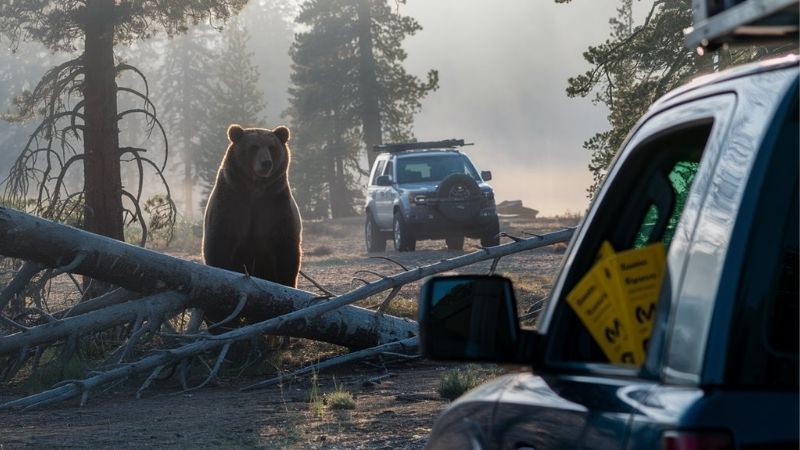
Bear spray is the single most effective personal deterrent, statistically more reliable than a firearm in stopping unwanted bear behavior. It sprays a wide cloud of capsaicin that stops a charging bear, and research has found it highly effective in real encounters, making it essential gear anywhere grizzlies or aggressive bears roam.
Carry it correctly to make it count. Keep the can in a hip or chest holster where you can reach it instantly, not buried in your pack, and know how to remove the safety and aim slightly downward. A bear safety guide stresses that spray only works if it is accessible the moment you need it.
Food Storage
Most bear problems start with food. Bears that learn to associate people with meals become dangerous and often end up killed, so storing food, trash, and scented items securely protects both you and the bears. In many areas, approved bear-resistant storage is not just smart but legally required.
Choose storage that fits your trip and rules. A hard-sided canister is bomb-proof and accepted everywhere, while a tough bear bag saves weight where allowed. This bear safety guide treats proper food storage as non-negotiable, since it prevents the encounters that gear like spray is only a last resort for.
Awareness and Noise
Surprising a bear at close range is a common cause of attacks. Making noise on the trail, especially near streams, dense brush, or blind corners, gives bears time to move away before you arrive. Talking, clapping, or a bear bell helps announce your presence in low-visibility terrain.
Stay alert to signs and situations. Watch for tracks, scat, and carcasses, hike in groups when possible, and never approach or feed a bear. Awareness costs nothing and prevents the surprise encounters that no gear fully solves, making it the foundation of any bear safety guide.
Top Picks: Essential Bear Country Gear
With those priorities in mind, this bear safety guide lines up five field-tested items, each covering a different part of staying safe. The table sums up the essentials, and the reviews below explain who each one suits and the trade-offs to weigh before you buy.
| Gear | Type | Role | Best For |
|---|---|---|---|
| Counter Assault | Bear spray | Deters a charge | Grizzly country |
| SABRE Frontiersman | Bear spray | Deters a charge | Best value |
| BearVault BV500 | Bear canister | Protects food | Backpacking |
| Ursack Major | Bear bag | Protects food | Lightweight |
| Bear Bell | Noise-maker | Avoids surprise | Alerting bears |
Counter Assault – Best for Grizzly Country
Counter Assault produced the first EPA-registered bear spray and remains the choice of many working guides. Its larger canister delivers a class-leading 40-foot range and around eight seconds of spray at the EPA-maximum 2 percent capsaicinoid strength, with a glow-in-the-dark safety and a belt holster included.
It is the most expensive spray here and heavier than compact cans. But for open grizzly country and multi-day trips where maximum reach and duration give you the biggest margin, its performance is worth the premium.
SABRE Frontiersman – Best Value
The SABRE Frontiersman is the category’s best-selling spray and a smart value. It offers a strong 35-foot range at the EPA-maximum 2 percent formula, a glow-in-the-dark safety for night visibility, and one-second burst capability that lets you re-aim, all at a lower price than premium rivals.
Its range and spray time trail the largest cans slightly, and the chest holster is often sold separately. But for general park hiking and reliable protection at a sensible price, it is the sensible default for most people in bear country.
BearVault BV500 – Best Canister
The BearVault BV500 is the gold standard for backcountry food storage. Its transparent, hard-sided polycarbonate body holds about seven days of food for one person, resists even determined bears, and is approved in most regulated areas, with a screw-lid design that opens without tools.
It is bulky and heavier than a bag, and its capacity fills fast on long solo trips. But for foolproof, widely accepted protection that keeps your food and the local bears safe, it is the reliable choice.
Ursack Major – Best Lightweight
The Ursack Major is a tough bear bag for weight-conscious hikers. Made from bite- and claw-resistant Spectra fabric, it weighs a fraction of a hard canister, packs down when empty, and ties securely to a tree, protecting food where regulations permit its use.
It is not accepted everywhere canisters are required, and food inside can still be crushed. But for backpackers who want strong protection at minimal weight in areas that allow it, the Ursack is an excellent, packable option.
Bear Bell – Best Noise-Maker
A bear bell is a simple, cheap way to announce your presence. Clipped to your pack, it jingles as you move, helping alert bears to your approach in dense brush or near loud streams where they might not otherwise hear you coming, reducing the risk of a startling close encounter.
Bells are no substitute for your voice, which many experts consider more effective, and some can be silenced with a magnet when not needed. But as a low-effort supplement to making noise, a bell adds an easy layer of prevention.
Frequently Asked Questions
A few questions come up again and again when hikers read a bear safety guide. Here are quick, practical answers to help you prepare.
Does bear spray actually work?
Yes. Research published in wildlife journals has found bear spray highly effective at stopping unwanted bear behavior, in one Alaskan study succeeding in the large majority of encounters. It is statistically more reliable than a firearm for most people. The key is carrying it accessibly and knowing how to deploy it quickly and correctly.
How should I store food in bear country?
Use approved bear-resistant storage: a hard-sided canister where required, or a certified bear bag where permitted, and hang or place it well away from your tent. Store all food, trash, and scented items like toothpaste. Never keep food in your tent, and follow the specific regulations for the area you are visiting.
What do I do if I see a bear?
Stay calm, do not run, and give the bear space to leave. Speak calmly, make yourself look large, and back away slowly. Never approach or feed a bear. If a bear charges, use bear spray, and know that responses differ for defensive versus predatory behavior, so learn the guidance for your region.
Do bear bells really help?
Bells can help alert bears to your presence in noisy or low-visibility terrain, but many experts find the human voice more effective. Use a bell as a supplement, not a replacement, for making noise. Calling out near streams, dense brush, and blind corners does the most to prevent surprising a bear at close range.
See More:
- Best camp chair
- Lightweight camp chair
- Camping table review
- Backpacking cookware set
- Camp stove review
Final Thoughts
A good bear safety guide combines deterrence, food storage, and awareness. Counter Assault and the SABRE Frontiersman give you reliable spray, the BearVault BV500 and Ursack Major keep food secure, and a bear bell adds a layer of prevention. Carry spray accessibly, store food properly, make noise, and you can enjoy bear country while keeping both yourself and the bears safe.