Key takeaways
What's inside
Food storage while camping protects both your dinner and the wildlife around you. This roundup compares five field-tested options across capacity, protection, and weight, from a bear-proof canister to an odor-blocking bag and a cooler for perishables, so you can keep your food safe from animals and spoilage no matter where you pitch your tent.
As an Amazon Associate we earn from qualifying purchases.
By Jake Thompson
How to Store Food While Camping
Good food storage keeps animals out and your meals fresh. The right method depends on where you camp, what wildlife lives there, and how long you stay out. Planning your food storage while camping around those three factors protects your trip and, just as importantly, keeps local animals wild and safe.
Wildlife and Local Rules
Know what shares your campsite. Bear country often legally requires a certified hard canister, while other areas allow a bear-resistant bag or a simple hang. Rodents and raccoons are a threat almost everywhere. Always check local regulations before your trip, since an unapproved method can bring fines or a dangerous encounter.
Rules exist to protect animals as much as people. A bear that gets human food often ends up destroyed, so proper food storage while camping is an ethical duty, not just convenience. Following the posted method for an area is the single most reliable way to prevent a problem.
Odor Control and Access
Animals find food by smell, so containing odor matters as much as locking the container. Odor-proof bags and sealed hard cases cut the scent that draws curious noses. Store anything scented, including toothpaste and trash, the same way you store food, since animals do not distinguish between them.
Balance protection against convenience. A screw-top canister is secure but bulky, while a resealable bag is light but offers no physical barrier. The best food storage while camping pairs an odor barrier with the level of physical protection your location actually demands, rather than the most gear you can carry.
Perishables and Weight
Cold food needs a different plan than dry goods. A cooler keeps perishables safe for days at a drive-up site, while backpackers usually skip fresh food and rely on shelf-stable meals. Match your menu to how you travel, since a heavy cooler makes no sense miles from the nearest trailhead.
Weight drives every backcountry choice. Hard canisters are heavy but bomber, bear bags save pounds, and dry bags weigh almost nothing. Consider the trade-off between protection and pack weight, and carry the lightest option that still meets the rules and risks where you are camping.
Top Picks: The Best Food Storage While Camping
With those factors in mind, here are five field-tested options that cover food storage while camping in any setting, from bear country to a car-camping cooler. The table sums up the essentials, and the reviews below explain who each option suits and the trade-offs to weigh before you buy.
| Item | Type | Capacity | Protection | Best For |
|---|---|---|---|---|
| BearVault BV500 | Hard canister | ~11.5 L (7 days) | Bear-proof | Bear country |
| Ursack Major | Bear bag | ~10.65 L | Bear-resistant | Lightweight trips |
| LOKSAK OPSAK | Odor bag | Varies | Odor barrier | Smell control |
| Coleman Xtreme 5 | Cooler | ~50 qt | Keeps cold | Perishables |
| Sea to Summit Big River Dry Bag | Dry bag | Varies | Weather and hang | Dry goods |
BearVault BV500 – Best for Bear Country
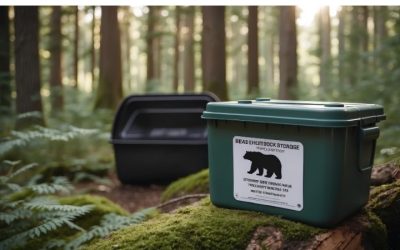
Where a certified canister is required, the BearVault BV500 is the standard. Its rugged polycarbonate body holds about 11.5 liters, or roughly seven days of food, the transparent walls let you see your supplies, and a screw-top lid with locking tabs keeps bears and mini-bears out without extra tools.
At 2 pounds 9 ounces it is heavy, and its round shape wastes some pack space. But it is approved across national parks and proven against bears, making it the most dependable food storage while camping in serious bear country.
Ursack Major – Best Lightweight Bear Protection
The Ursack Major offers real bear protection at a fraction of a canister’s weight. Made from bulletproof Spectra and Kevlar fabric, it holds around 10.65 liters, ties securely to a tree trunk, and packs down or rolls up when empty, saving well over a pound compared to a hard canister.
It is not approved in every regulated area, and a determined bear can smash the contents even if it cannot get in. But where it is allowed, it is a superb lightweight option for backpackers who want protection without the bulk.
LOKSAK OPSAK – Best for Odor Control
The LOKSAK OPSAK adds a critical odor barrier to any system. These resealable, odor-proof bags seal in food smells that attract animals, work inside a canister or bag for a fully sealed setup, and weigh almost nothing, making them cheap insurance against curious noses at camp.
They offer no physical protection on their own, so a bag alone will not stop a bear or rodent. Used inside a canister or bear bag, though, they meaningfully cut the scent trail, which is why many backpackers consider them essential.
Coleman Xtreme 5 – Best for Perishables
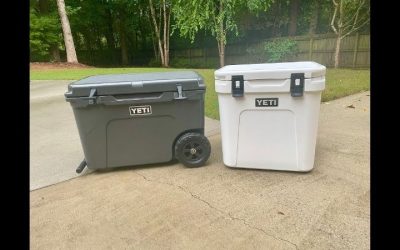
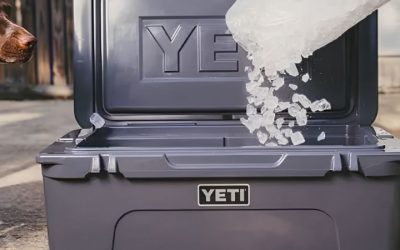
For car campers storing fresh food, the Coleman Xtreme 5 keeps perishables safe and cold. This budget-friendly cooler holds ice for up to five days in good conditions, comes in family sizes, and lets you bring meat, dairy, and produce that shelf-stable trips simply cannot, all at a low price.
A cooler is no defense against a determined bear and is far too heavy for the backcountry, so it belongs at drive-up sites. But for keeping fresh food from spoiling on a weekend camp, it is the practical, affordable choice.
Sea to Summit Big River Dry Bag – Best for Dry Goods
The Sea to Summit Big River Dry Bag is a rugged way to organize and hang dry food. Its tough, waterproof fabric shrugs off rain and abrasion, a roll-top closure seals out weather, and a sturdy build makes it ideal for the classic hang method where hard canisters are not required.
It is not bite-proof, so it relies on being hung properly out of reach rather than resisting claws directly. But as a durable, weatherproof sack for dry goods and trash, it is a versatile piece of any food storage while camping kit.
Frequently Asked Questions
A few questions come up again and again about food storage while camping. Here are quick, practical answers to help you plan your setup.
Do I always need a bear canister?
Only where local rules require one or bear activity is high. Many popular backcountry areas legally mandate a certified hard canister, while others accept a bear-resistant bag or a proper hang. Always check the regulations for your specific area before your trip, since requirements vary widely by location.
How do I hang a food bag properly?
Aim to suspend the bag at least ten to twelve feet off the ground and several feet from the trunk and any branch, using a sturdy tree limb. This keeps food out of reach of bears and climbing animals. In many canister-required zones, hanging is not permitted, so confirm the rules first.
Where should I store food overnight?
Store all food, trash, and scented items away from your sleeping area, ideally a good distance downwind, in a canister, bear bag, or hung sack. Never keep food in your tent. Cooking and eating away from where you sleep also reduces lingering odors that could draw animals to your campsite.
Does a cooler protect food from bears?
A standard cooler does not, and a hungry bear can break into one easily. Only coolers certified as bear-resistant and properly locked offer real protection, and even then local rules may still require a canister. Treat a regular cooler as cold storage at drive-up sites, not as animal-proof security.
See More:
- Best camp chair
- Lightweight camp chair
- Camping table review
- Backpacking cookware set
- Camp stove review
Final Thoughts
Smart food storage while camping keeps your meals safe and the local wildlife wild. The BearVault BV500 rules bear country, the Ursack Major saves weight, and the OPSAK seals in odor, while a Coleman cooler handles perishables and a dry bag organizes dry goods for a hang. Match your method to the rules and risks where you camp, and both your dinner and the animals stay protected.