Key takeaways
What's inside
Cold weather sleeping guide readers have one goal: stay warm when the temperature drops below freezing. This cold weather sleeping guide compares six tested picks, from a winter bag to a high-R-value pad and liner, so you can build a sleep system that keeps you cozy through the very coldest camp nights of the whole year.
As an Amazon Associate we earn from qualifying purchases.
By Jake Thompson, outdoor gear writer and long-time trail tester
How to Use This Cold Weather Sleeping Guide
Cold-weather warmth comes from a system, not a single item. Focus on bag rating, pad R-value, layering and liners, and pad stacking for snow. Get these four right and you stay warm when nights plunge well below freezing. Skip any one layer and the whole system can leave you cold in the small hours.

Bag Temperature Rating
Your bag is the core, and cold nights demand a low comfort rating. A 0-degree or colder bag handles winter, and buying to the comfort rating rather than the lower limit gives a safety margin when it truly gets cold.
Down offers the best warmth-to-weight for winter bags, but must stay dry. A heavily insulated hood and draft collar are essential, since much heat escapes around the head and shoulders in the cold.
Pad R-Value
The pad matters even more in winter, since frozen ground pulls heat aggressively. Aim for an R-value above 5 for cold, and higher still for snow, because a warm bag on a cold pad still sleeps cold.
A cold pad is the most common reason people freeze in a good bag. Match the R-value to your coldest night, and never skimp on ground insulation for winter camping.
Layering and Liners
Layers extend warmth cheaply and effectively. A liner adds roughly five to fifteen degrees, and sleeping in dry base layers, a warm hat, and dry socks traps significant heat your bag alone cannot.
Stay dry and fueled. Change into dry clothes before bed, eat a snack to fuel your body’s furnace, and vent condensation, since damp insulation loses much of its warmth.
Pad Stacking for Snow
On snow, one pad is rarely enough. Stacking a closed-cell foam pad under an insulated air pad adds R-value and provides a puncture-proof backup, so a deflation does not leave you on frozen ground.
R-values are additive, which makes stacking the smartest cold-weather trick. A foam pad plus a high-R air pad reaches winter warmth that a single pad struggles to deliver.
Top Picks: Cold Weather Sleeping Guide
This cold weather sleeping guide lines up six picks that together build a warm winter sleep system, each an example for its role. The table sums up type and warmth, then every pick gets an honest look at how it fights the cold.
| Item | Type | Warmth | Best For |
|---|---|---|---|
| REI Co-op Magma 0 | Down bag | ~0°F | Winter core insulation |
| Therm-a-Rest NeoAir XTherm NXT | Air pad | R 7.3 | Cold ground insulation |
| NEMO Tensor Extreme Conditions | Air pad | R 8.5 | Deep-cold pad |
| NEMO Switchback | Foam pad | R ~2 | Stacking on snow |
| Sea to Summit Reactor Liner | Liner | +5-15°F | Warmth extender |
| Exped MegaMat 10 | Self-inflating | R ~8.1 | Warm car camping |
REI Co-op Magma 0
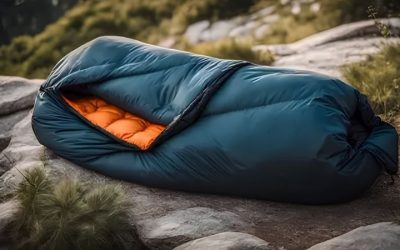
The Magma 0 is the winter core, keeping you warm when nights plunge below freezing thanks to premium 850-fill down, a heavily insulated hood, and a draft collar. It traps heat through the coldest conditions most campers face, at a fairer price than many winter bags.
It is heavy, bulky, and far too warm for anything but cold weather, and down must stay dry. As a dedicated winter bag paired with a high-R pad, though, it delivers the margin cold nights demand.
Therm-a-Rest NeoAir XTherm NXT
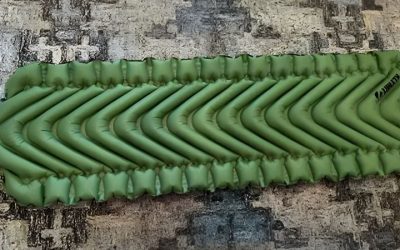
The XTherm is the go-to cold pad, delivering a 7.3 R-value at around 15 ounces for a genuine safety margin below 20 degrees. It packs winter warmth into a still-backpackable weight, making it the standard for three-plus-season and light winter use.
It costs more and is overkill for warm nights. As a four-season air pad, especially stacked with a foam pad on snow, though, it is a top performer for cold trips.
NEMO Tensor Extreme Conditions
For the deepest cold, the Tensor Extreme delivers a very high R-value around 8.5, built for sub-zero and snow camping. Its heavy insulation and quiet, comfortable surface keep you warm when temperatures drop to the extremes serious winter campers face.
It is expensive and its warmth is overkill outside true winter. For dedicated cold and snow camping where warmth is non-negotiable, though, it is one of the warmest pads available.
NEMO Switchback
The Switchback is the stacking essential, a closed-cell foam pad around 14.5 ounces that adds R-value under an air pad and provides a puncture-proof backup on snow. It also serves as a sit pad and camp seat in freezing conditions.
On its own its roughly 2 R-value is too cool for winter. As the bottom layer of a stacked cold-weather system, though, it adds warmth and vital insurance against a deflated air pad.
Sea to Summit Reactor Liner
The Reactor liner is the cheapest warmth boost, adding meaningful heat to any bag while keeping it cleaner. It extends a bag’s rating into colder nights, packs small, and is an easy way to squeeze more warmth from gear you already own.
It adds only so much warmth alone and a little weight. As a range-extender that also protects your bag, though, it is a smart addition to a cold-weather kit.
Exped MegaMat 10
For cold car camping, the MegaMat 10 pairs four inches of plush foam with a high R-value around 8.1, keeping you warm and comfortable on frozen ground near the car. Its self-inflating design and mattress-like feel make winter base camps genuinely cozy.
It is heavy and bulky, strictly car-camping gear. As a warm, plush mattress for cold-weather car camping, though, it is one of the most comfortable ways to sleep in the cold.
Market Context: Prices, Tariffs and Timing in 2026
Winter sleep gear carries real dollar swings, so timing helps when following a cold weather sleeping guide in 2026. Import cost pressure and the seasonal calendar shape prices, and premium down and high-R pads especially move with the market.
Why Prices Are Uncertain
Most winter gear is imported, and 2026 tariff policy has stayed in flux even after legal challenges, keeping costs elevated. Premium winter bags and pads have edged up as brands use pricing power, while budget items pass costs straight to shoppers.
Because policy keeps shifting, brands call future pricing guesswork. That is a fair reason to buy a proven cold-weather piece you trust while it is in stock in your size and rating.
Where the Deals Are
Closeout stock is the value play. Retailers are clearing pre-tariff inventory through late 2026, so prior-year versions of winter bags and pads offer real markdowns, since designs change little year to year.
Winter gear often discounts in spring as seasonal stock clears, and again during major fall sales. Timing a purchase to the off-season is a reliable way to save on cold-weather gear.
When to Buy
Amazon’s fall event in early October and the late-November Black Friday and Cyber Monday windows bring the deepest cuts, right before winter. A wishlist plus price tracking helps you buy at the low before the cold hits.
If a winter trip is booked, prioritize the right warmth over a small saving. A warm bag, high-R pad, and liner in hand beat a cheaper setup that leaves you shivering on frozen ground.
Frequently Asked Questions
These are the questions campers ask most when using a cold weather sleeping guide.
What R-value do I need for winter?
Aim above 5 for cold and higher still for snow, since frozen ground pulls heat aggressively. Stacking a foam pad under a high-R air pad reaches winter warmth and adds a puncture-proof backup.
Why am I cold in a warm winter bag?
Usually because your pad’s R-value is too low, letting frozen ground steal heat the bag cannot replace. Boost ground insulation, sleep in dry layers, and eat before bed to fuel your body’s warmth.
Does a liner really help in the cold?
Yes, a liner adds roughly five to fifteen degrees and keeps your bag cleaner. Combined with dry base layers, a hat, and socks, it meaningfully extends a bag’s warmth on freezing nights.
Down or synthetic for winter?
Down offers the best warmth-to-weight for winter bags but must stay dry, while synthetic forgives moisture at more weight. In dry cold, down wins; in damp or humid cold, synthetic is safer. Either way, keep the insulation dry to preserve its warmth.
See More:
- Best boots for rocky trails
- Best boots for snow hiking
- Budget hiking shoes
- Premium hiking boots
- Hiking shoe comparison chart
Final Thoughts
This cold weather sleeping guide comes down to a warm system: a low-rated bag, a high-R-value pad, a liner, and dry layers, with a foam pad stacked underneath on snow. Winter campers should pair the Magma 0 with the XTherm or Tensor Extreme, add the Reactor liner, and stack a Switchback on snow. Match every piece to your coldest nights, buy proven gear while stock lasts, and freezing nights lose their bite.