Key takeaways
What's inside
Sleep system guide planning is about the whole setup, because a warm bag on a cold pad still sleeps cold. This sleep system guide walks through the components that work together, from bag or quilt to pad, pillow, and liner, with six tested picks so every part of your camp sleep setup pulls its weight all night long.
As an Amazon Associate we earn from qualifying purchases.
By Jake Thompson, outdoor gear writer and long-time trail tester
How to Build a Sleep System Guide
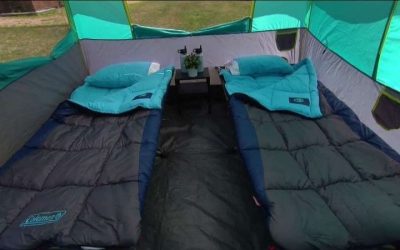
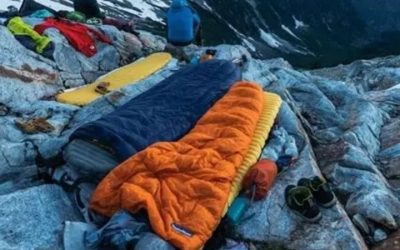
A sleep system is a set of layers that share the work of keeping you warm and comfortable. Focus on the insulation layer, ground insulation, head support, and warmth extenders. Balance these four for your conditions and you sleep well without carrying more than you need. Get the balance right and the whole setup works as one, rather than mismatched pieces fighting each other.
Insulation: Bag or Quilt
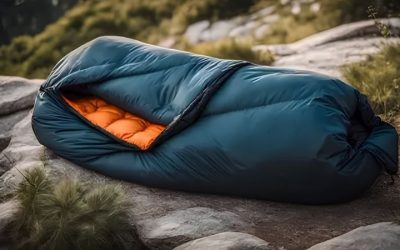
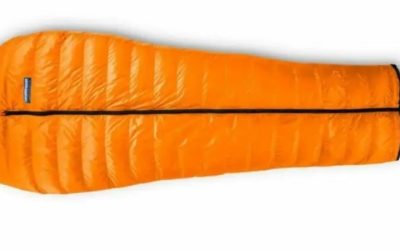
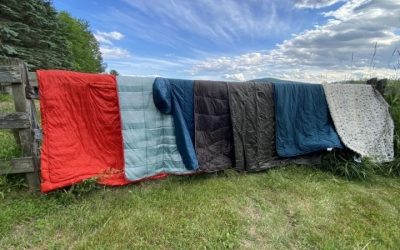
Your bag or quilt is the core, and its temperature rating should match your coldest expected nights. Mummy bags trap heat efficiently, while quilts save weight for backpackers who use the pad as the bottom layer.
Buy the comfort rating a little warm and vent as needed. Down offers the best warmth-to-weight, while synthetic forgives moisture, so match the fill to your climate and budget.
Ground Insulation: The Pad
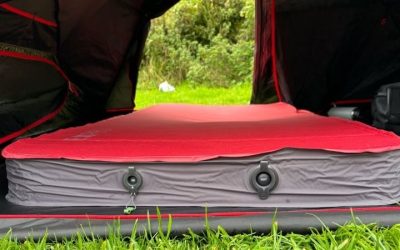
The pad is the unsung hero, since cold ground steals heat no bag can replace. Its R-value must match the season: 1 to 2 for summer, 2 to 4 for three-season, and above 5 for winter camping.
A cold pad is the top reason people sleep cold in a warm bag. R-values also stack, so adding a foam pad under an air pad boosts warmth for cold trips and adds a puncture-proof backup.
Head Support: The Pillow
A pillow completes the system by keeping your neck aligned for real rest. Inflatable pillows are lightest for backpacking, foam pillows are plushest for car camping, and hybrids balance comfort and packability.
Around four inches of loft suits most sleepers, with side sleepers needing more. Securing the pillow to the pad stops it sliding, a small touch that greatly improves the night.
Warmth Extenders: Liners and Layers
Liners and layers stretch a system’s range cheaply. A liner adds roughly five to fifteen degrees, and sleeping in a base layer, hat, and dry socks meaningfully boosts warmth on colder-than-expected nights.
A liner also keeps your bag cleaner, extending its life. For versatility, a single three-season system plus a liner can cover a surprisingly wide range of conditions.
Top Picks: Sleep System Guide
This sleep system guide lines up six components that together form a complete setup, each an example pick for its role. The table sums up what each does, then every pick gets an honest look at why it belongs in your setup.
| Component | Example Pick | Role |
|---|---|---|
| Sleeping bag | REI Co-op Magma 15 | Core insulation |
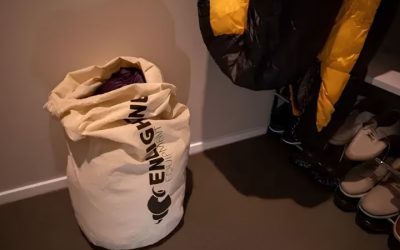
| Quilt (UL option) | Enlightened Equipment Revelation 20 | Lightweight insulation |
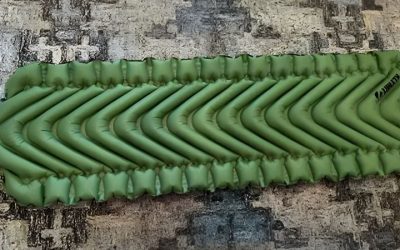
| Air pad | Therm-a-Rest NeoAir XLite NXT | Ground insulation |
| Foam pad | NEMO Switchback | Backup and warmth boost |
| Pillow | Sea to Summit Aeros Premium | Head support |
| Liner | Sea to Summit Reactor | Warmth extender |
Sleeping Bag: REI Co-op Magma 15
The Magma 15 anchors a three-season system with premium 850-fill down, a roomier differential cut, and draft collars, all at a mid-range price. It delivers warmth and comfort that undercut pricier rivals, making it the value core of most setups.
It is heavier than ultralight bags and needs protection from moisture. As the central insulation layer for a wide range of three-season nights, though, it is a benchmark choice.
Quilt: Enlightened Equipment Revelation 20
For backpackers chasing low weight, the Revelation quilt swaps the compressed backside of a bag for a pad attachment, trimming ounces. It is highly customizable in length, width, temperature, and 850 or 950 fill, and a full custom 20-degree build weighs around 20 ounces.
Quilts can let in drafts if not sealed to the pad, and they suit warm-to-average sleepers best. For weight-focused hikers who dial in their kit, though, it is a superb insulation layer.
Air Pad: Therm-a-Rest NeoAir XLite NXT
The XLite is the ground-insulation workhorse, delivering a 4.5 R-value at around 13 ounces for an unmatched warmth-to-weight ratio. Three inches of loft and an easy valve make it comfortable and quick to set up for three-season nights.
Its thin fabric can puncture, so carry a patch kit, and side sleepers may want more cushion. As the pad in most backpacking systems, though, it is the standard others chase.
Foam Pad: NEMO Switchback
The Switchback adds versatility and a fail-safe to any system. At around 14.5 ounces it never punctures, doubles as a sit pad or pack frame, and stacks under an air pad to boost warmth for cold or snowy trips.
On its own it is thin and cool, with a roughly 2 R-value. As a bombproof backup or warmth-boosting layer in a cold-weather system, though, it is a favorite of experienced campers.
Pillow: Sea to Summit Aeros Premium
The Aeros Premium completes the system with over four inches of plush loft at just over three ounces. A three-way valve makes inflation, fine adjustment, and deflation easy, and it packs down tiny, delivering real comfort for minimal weight.
It can slide unless secured to the pad, and its thin shell feels delicate near sharp gear. For lightweight head support that meaningfully improves sleep, though, it is a standout.
Liner: Sea to Summit Reactor
A liner is the cheapest warmth upgrade, and the Reactor adds meaningful heat while keeping your bag cleaner. It extends a three-season bag into colder nights and packs down small, boosting versatility without a second bag.
It adds a little weight and only so much warmth on its own. As a range-extender and hygiene layer that protects your investment, though, it earns its place in the system.
Market Context: Prices, Tariffs and Timing in 2026
Building a full sleep system means several purchases, so timing pays off in this sleep system guide for 2026. Import cost pressure and the seasonal calendar shape prices across bags, pads, and accessories alike.
Why the System Adds Up
Bags, pads, pillows, and liners are all imported, and 2026 tariff policy has stayed uncertain even after legal challenges, keeping costs elevated. Premium down items have edged up, while budget picks pass costs straight to shoppers.
The good news is that a system can be built over time. Prioritize the pad and bag first, since they drive warmth and comfort most, then add a pillow and liner as budget allows.
Where to Save
Closeout stock is the value play. Retailers are clearing pre-tariff inventory through late 2026, so prior-year versions of bags and pads offer real markdowns, since designs change little year to year.
Amazon’s fall event in early October and the late-November Black Friday and Cyber Monday windows bring the deepest cuts. Buying multiple components during one sale is the efficient way to complete a system.
Build It Once
Assemble the system deliberately, matching bag rating and pad R-value to your typical conditions, then adding a pillow and liner. Test it on a short trip so you trust it before a big objective.
Replace consumables and reproof or wash items as needed. A well-matched, maintained sleep system keeps you warm and rested trip after trip without last-minute scrambles.
Frequently Asked Questions
These are the questions campers ask most when following a sleep system guide.
What is the most important part of a sleep system?
The pad matters more than most realize, since cold ground steals heat no bag can replace. Match its R-value to the season first, then pair it with an appropriately rated bag or quilt. Get those two right and the pillow and liner simply refine an already-warm setup.
Bag or quilt for backpacking?
Quilts save weight by dropping the compressed backside a bag wastes, ideal for warm-to-average sleepers who seal them to the pad. Bags trap heat more reliably and suit cold sleepers and colder conditions.
How do I make my system warmer?
Add a liner for five to fifteen degrees, stack a foam pad under your air pad, and sleep in dry layers, a hat, and socks. Boosting pad R-value often helps more than a warmer bag does on a cold, hard night.
Can one system cover every season?
A three-season bag, an adequate pad, and a liner cover a wide range, but deep winter needs a dedicated warm bag and high-R-value pad. Match the system to your coldest realistic nights, then adjust layers from there.
See More:
- Best boots for rocky trails
- Best boots for snow hiking
- Budget hiking shoes
- Premium hiking boots
- Hiking shoe comparison chart
Final Thoughts
This sleep system guide comes down to layers that share the work: a rated bag or quilt, a pad with the right R-value, a comfortable pillow, and a liner to extend range. Prioritize the pad and bag, add a pillow and liner as budget allows, test it before a big trip, and buy proven components while stock lasts for warm, restful nights. Dialed in once, a good sleep system serves you for years across countless trips.