Key takeaways
What's inside
Down vs synthetic sleeping bag is the first choice every camper faces, and it comes down to warmth-to-weight versus wet-weather reliability and price. This down vs synthetic sleeping bag guide compares both fills across six tested picks so you can match the right insulation to your climate, budget, and how you camp.
As an Amazon Associate we earn from qualifying purchases.
By Jake Thompson, outdoor gear writer and long-time trail tester
How to Choose in the Down vs Synthetic Sleeping Bag Debate
Neither fill is universally better; each wins in different conditions. Focus on warmth-to-weight, wet-weather performance, packability, and cost and care. Weigh these four honestly against your climate and priorities, and the right insulation usually becomes obvious.
Warmth-to-Weight
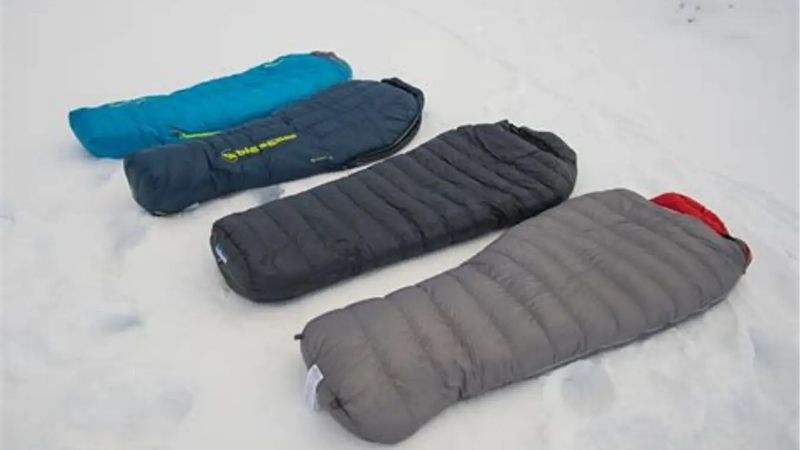
Down is the clear winner here, trapping more warmth per ounce than any synthetic. High-fill-power down lets a bag stay warm to 20 degrees while weighing under two pounds, which is why weight-conscious backpackers reach for it first.
Synthetic insulation weighs more for the same warmth because its fibers are less efficient. For campers who drive to the site or prioritize price over weight, that penalty matters far less than it does on a long trek.
Wet-Weather Performance
This is synthetic’s home turf. Synthetic fibers keep insulating even when damp and dry quickly, so a rained-on synthetic bag still keeps you warm, while soaked down loses most of its loft and warmth.
Down struggles when wet unless treated, and it dries slowly. Treated hydrophobic down narrows the gap, but in consistently wet climates, synthetic remains the safer, more forgiving choice.
Packability and Durability
Down compresses far smaller, freeing precious pack space, and it holds its loft for years with proper care, often lasting a decade or more. That longevity helps offset its higher upfront cost over time.
Synthetic is bulkier and loses loft faster as the fibers break down with repeated compression. It handles rough treatment and moisture well, but it will not match down’s lifespan or packed size.
Cost and Care
Synthetic is cheaper up front, making it the natural pick for beginners and budget campers. It is also easier to care for, washing and drying more simply than down without special detergents.
Down costs more but rewards proper care with years of service. If you store it lofted, keep it dry, and wash it correctly, a quality down bag can outlast several synthetic ones.
Top Picks: Down vs Synthetic Sleeping Bag
This down vs synthetic sleeping bag roundup lines up three standout down bags and three synthetic bags so you can see both sides directly. The table compares fill, temperature rating, and weight, then each pick gets an honest look at who it suits.
| Sleeping Bag | Fill | Temp Rating | Weight | Best For |
|---|---|---|---|---|
| Western Mountaineering UltraLite | 850+ down | ~20°F | ~1 lb 13 oz | Premium warmth-to-weight |
| REI Co-op Magma 15 | 850 down | ~21°F limit | ~2 lb 7 oz | Best value down |
| Kelty Cosmic Down 20 | 550 down | ~20°F | ~2 lb 7-15 oz | Budget down |
| Marmot Trestles Elite Eco 20 | Synthetic | ~20°F | ~2 lb 5 oz | Wet weather, value |
| REI Co-op Trailmade 20 | Synthetic | ~20°F | ~3 lb+ | Budget beginners |
| NEMO Forte 20 | Synthetic | ~20°F | ~2 lb 8 oz | Side sleepers, damp climates |
Western Mountaineering UltraLite (Down)
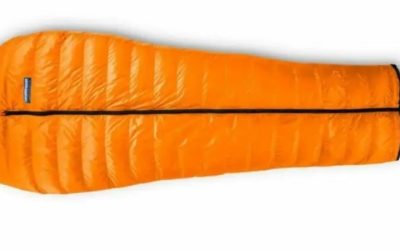
The UltraLite shows what down does best. Hand-filled 850-plus goose down and continuous baffles deliver exceptional warmth for well under two pounds, and the made-in-USA build lasts a decade or more, making it a lifetime investment for dry-climate backpackers.
The price is steep and, like all down, it struggles when soaked. For hikers who want the lightest, warmest, longest-lasting bag and camp mostly in dry conditions, though, it is the gold standard.
REI Co-op Magma 15 (Down)
The Magma 15 is the value entry into premium down, pairing 850-fill down with a roomier differential cut, draft collars, and a snag-free zipper at a mid-range price. It is a warm, comfortable three-season workhorse that undercuts pricier rivals.
It is heavier and less packable than ultra-high-end down, and still needs protection from moisture. For most backpackers who want down performance without the top-tier price, though, it is hard to beat.
Kelty Cosmic Down 20 (Down)
The Cosmic Down is the budget gateway to down, offering real down warmth and packability for far less than premium bags. Its 550-fill down and trapezoidal baffles keep insulation in place and pack smaller than any synthetic at the price.
Lower fill power means more weight and bulk, and it shares down’s wet-weather weakness. For first-time backpackers who want down’s packability without a big outlay, though, it is the standout value.
Marmot Trestles Elite Eco 20 (Synthetic)
The Trestles is a synthetic standout for wet climates and tight budgets. Its insulation stays warm even when damp and resists moisture better than down, at a price that undercuts most down bags, making it a dependable three-season choice.
Synthetic is heavier and less compressible, so it eats pack space. For rainy regions and budget-minded campers who value damp-weather reliability, though, its moisture resistance and value are hard to match.
REI Co-op Trailmade 20 (Synthetic)
The Trailmade is the beginner-friendly synthetic pick, undercutting even entry-level down bags on price. Its synthetic fill keeps you warm when damp and forgives rough handling, making it ideal for new campers and car camping on a budget.
It is notably heavier and bulkier than down and less suited to long backpacking trips. As an affordable, low-maintenance first bag for casual and wet-weather camping, though, it delivers real value.
NEMO Forte 20 (Synthetic)
The Forte brings comfort features to synthetic, with a roomier cut and vents that let you dump heat without opening the whole bag. Its moisture-resistant synthetic fill suits damp climates and side sleepers who feel trapped in a tight mummy.
It is heavier and bulkier than down and less packable for long trips. For campers in wet regions who want room to move and easy temperature control, though, it is a comfortable, forgiving choice.
Market Context: Prices, Tariffs and Timing in 2026
Whichever fill you choose, 2026 pricing rewards timing in the down vs synthetic sleeping bag decision. Import cost pressure and the seasonal calendar shape prices, and down bags especially feel it since their fill is sourced globally.
Why Prices Are Uncertain
Most bags and their fill are imported, and 2026 tariff policy has stayed in flux even after legal challenges, keeping costs elevated. Premium down has edged up as brands use pricing power, while budget synthetic bags pass costs straight to shoppers.
Because policy keeps shifting, brands call future pricing guesswork. That is a fair reason to buy a proven bag you trust while it is in stock in your size and rating rather than waiting on a lower price.
Where the Deals Are
Closeout stock is the value play. Retailers are clearing pre-tariff inventory through late 2026, so prior-year colorways of both down and synthetic bags offer real markdowns, since bags change little year to year.
Member sales and coupons at outdoor retailers can shave meaningful amounts off premium down. Timing a purchase to a major sale is the surest way to land a top bag of either fill for less.
When to Buy
Amazon’s fall event in early October and the late-November Black Friday and Cyber Monday windows bring the deepest cuts, and bags make popular holiday gifts. Shoulder-season shopping often finds warmer bags discounted as summer stock clears.
If a trip is booked, prioritize the right fill and rating for your climate over a small saving. A warm, appropriate bag in hand beats a cheaper one that leaves you cold or wet.
Frequently Asked Questions
These are the questions campers ask most in the down vs synthetic sleeping bag debate.
Is down or synthetic warmer?
For the same weight, down is warmer thanks to its superior warmth-to-weight ratio. Synthetic can match warmth but only by adding weight and bulk, so down wins whenever every ounce counts on the trail.
Which is better for wet climates?
Synthetic, because it keeps insulating when damp and dries fast, while untreated down loses loft when soaked. In consistently rainy regions, synthetic’s forgiveness outweighs down’s packability for most campers.
Does down last longer than synthetic?
Yes, with proper care. Quality down holds its loft for a decade or more, while synthetic fibers break down faster with repeated compression, so down’s longevity helps offset its higher upfront cost.
Which should a beginner buy?
Synthetic is often the smarter first bag, since it is cheaper, low-maintenance, and forgiving of moisture and rough handling. Upgrade to down later if you start backpacking and want to save weight and pack space.
See More:
- Best boots for rocky trails
- Best boots for snow hiking
- Budget hiking shoes
- Premium hiking boots
- Hiking shoe comparison chart
Final Thoughts
The down vs synthetic sleeping bag choice comes down to your climate, budget, and how far you carry it: down wins on warmth-to-weight, packability, and longevity, while synthetic wins on wet performance, price, and easy care. Dry-climate backpackers should look at the UltraLite or Magma, and wet-weather or budget campers at the Trestles or Trailmade. Match the fill to your conditions, buy a proven bag while sizes last, and you will sleep warm for years.