Key takeaways
What's inside
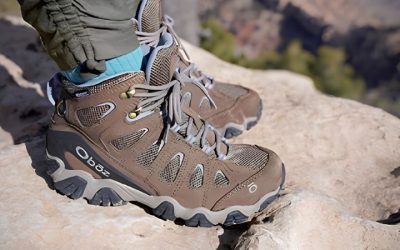
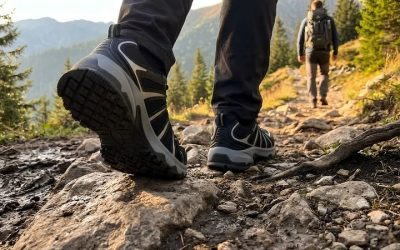
Premium hiking boots justify their price with better leather, stickier rubber, real support, and years of durability. The premium hiking boots in this guide were chosen for demanding terrain and heavy loads, where cheap boots quit early, so serious hikers can invest once and hike hard for many seasons.
As an Amazon Associate we earn from qualifying purchases.
By Jake Thompson, outdoor gear writer and long-time trail tester
How to Choose the Right Premium Hiking Boots
At the top of the market you are paying for materials, construction, and support, so it helps to know what actually improves with price. Focus on the upper, the outsole, midsole stiffness, and long-term serviceability. These four criteria explain where premium money goes.
Upper Materials and Waterproofing
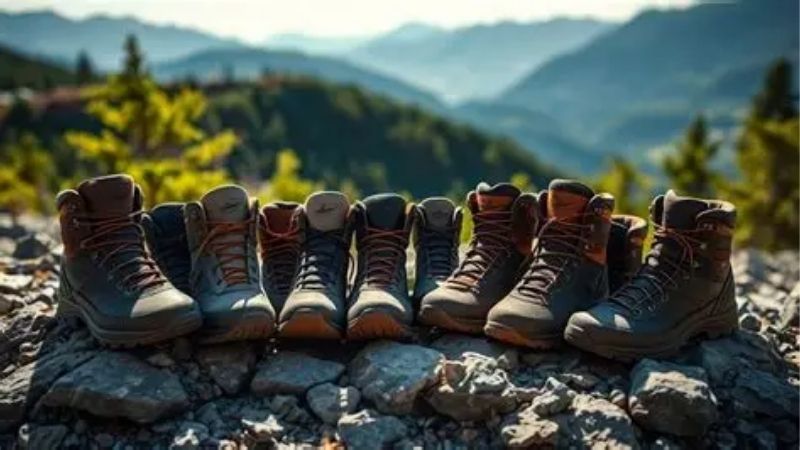
Premium boots use full-grain or nubuck leather, sometimes with technical suede, for durability and weather resistance that outlasts synthetic budget uppers. A quality Gore-Tex or comparable membrane keeps feet dry while still breathing on climbs.
A full rubber rand is common at this tier, protecting the boot from abrasion where it matters. These details cost more up front but are the reason a good boot can last five hundred to a thousand miles or more.
Outsole Rubber and Traction
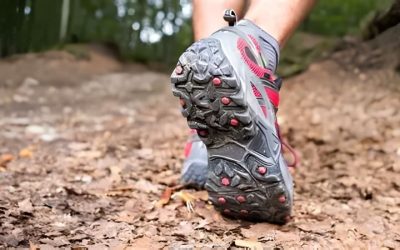
Top boots run premium Vibram or Contagrip compounds that grip wet rock and loose dirt far better than generic rubber. Sticky rubber is the single biggest confidence booster on technical terrain, and it is where cheaper boots most obviously fall short.
Many premium outsoles are also resoleable. When the tread wears, a resole restores grip for a fraction of a new boot’s cost, which quietly makes the premium option cheaper per mile over its life.
Midsole Stiffness and Support
A stiffer midsole with a shank supports heavy loads and shields the foot from stone bruises on rough ground. Premium boots tune this balance carefully so they feel supportive without turning into rigid bricks underfoot.
Heel-locking lacing and a structured collar round out the support package. Together they keep the foot planted on steep descents, reducing fatigue and blisters on long, loaded days.
Fit, Comfort, and Serviceability
Premium brands offer more sizes, widths, and refined lasts, so the odds of a dialed fit are higher. A boot that fits your foot precisely is worth more than any spec sheet, since fit drives comfort and injury prevention.
Serviceability seals the deal. Replaceable insoles, resoleable outsoles, and quality hardware mean a premium boot can be maintained for years rather than discarded at the first sign of wear.
Top Picks: Premium Hiking Boots
Every boot below earns its price through materials, support, and traction built for hard use. The table compares weight, outsole, and waterproofing, then each pick gets an honest look at who it suits and where it compromises.
| Boot | Weight (pair, men’s) | Outsole | Waterproof | Best For |
|---|---|---|---|---|
| Salomon Quest 4 GTX | ~2 lb 14 oz | Contagrip TD | Gore-Tex | Heavy loads, tough terrain |
| La Sportiva Nucleo High II GTX | ~2 lb 1.6 oz | Vibram Nano XS-Trek | Gore-Tex Surround | Nimble, breathable leather |
| Lowa Renegade GTX Mid | ~2 lb 9.6 oz | Vibram | Gore-Tex | Classic all-round support |
| Scarpa Zodiac Plus GTX | ~2 lb 6 oz | Vibram Drumlin | Gore-Tex | Technical alpine terrain |
| Hoka Kaha 3 GTX | ~2 lb 12 oz | Vibram Megagrip | Gore-Tex | Max cushion, long miles |
| Keen Targhee IV Mid WP | ~2 lb 8.2 oz | Keen Rugged | Keen.Dry | Wide feet, value premium |
Salomon Quest 4 GTX
The Quest 4 is the benchmark for carrying a loaded pack over rough terrain. Its ADV-C 4D chassis, tall Gore-Tex build, and Contagrip TD outsole deliver stability and grip, while heel-locking lacing keeps the foot secure on steep, technical descents. Premium leather and hardware promise long life.
At nearly three pounds it is heavy, runs warm in summer, and is overkill for smooth trails, with a break-in that tests patience. For demanding, cooler, loaded hikes, though, it is a top-tier workhorse.
La Sportiva Nucleo High II GTX
The Nucleo High II proves premium can mean nimble. It weighs less than many mids yet has a Vibram Nano XS-Trek outsole that grips granite stickily, a rubber rand, and a Gore-Tex Surround lining that vents heat from underfoot. The outsole is resoleable for extended life.
The supple nubuck upper offers less structure than a burly boot, and its thin laces have been known to snap, so carry spares. For hikers who want premium traction and breathability without the weight, it is exceptional.
Lowa Renegade GTX Mid
A perennial favorite, the Renegade delivers premium comfort out of the box with a supportive monowrap frame, Gore-Tex protection, and a Vibram outsole that balances stickiness on rock with bite on loose dirt. Testers praise it descending steep granite with a pack.
It sits mid-pack for weight and runs a touch narrow for some feet. As a classic-leather do-everything premium boot for a huge range of terrain, it remains one of the safest high-end buys you can make.
Scarpa Zodiac Plus GTX
For technical alpine terrain, the Zodiac Plus edges and holds where softer boots smear, thanks to a stiff PU and 3D EVA midsole and a Vibram Drumlin outsole. Its Perwanger suede upper and rubber rand resist serious abrasion, and Gore-Tex handles wet scree.
That stiffness is the cost: it feels rigid on mellow dirt and needs breaking in, and the price is steep. If your objectives involve real edging, heavy loads, and rough alpine ground, it more than earns the outlay.
Hoka Kaha 3 GTX
The Kaha 3 answers hikers who want premium protection with plush, all-day cushioning. A thick, supportive midsole isolates the foot from the trail, while a leather upper, Gore-Tex membrane, and high-end Vibram Megagrip outsole handle rough ground and long miles comfortably.
The tall stack height can feel less stable on very technical, off-camber terrain, and it is not light. For hikers who prioritize cushioned comfort over ground feel on big-mileage days, it is a standout premium option.
Keen Targhee IV Mid WP
The value entry into premium, the Targhee IV brings a durable leather upper, Keen’s protective wraparound toe cap, and a roomy fit that finally welcomes wide feet, all at a price below the loftiest boots here. It is tough and comfortable for easy-to-moderate trails and light backpacking.
It feels heavier and less nimble than athletic premium boots, with only average stickiness on wet rock and a lower collar. For wide-footed hikers wanting premium durability without the top price, it is a smart pick.
Market Context: Prices, Tariffs and Timing in 2026
Premium boots carry the biggest dollar swings, so timing your purchase pays off most in this tier. In 2026, tariff uncertainty and brand pricing power are pushing high-end prices up, but closeout stock offers a real path to savings on premium hiking boots.
Premium Brands and Pricing Power
Premium and technical brands have used their pricing power to raise prices and offset tariff costs, with some reporting high-single-digit increases. Because these boots are imported and 2026 tariff policy remains uncertain, brands describe future pricing as guesswork, which argues for buying a model you trust while it is in stock.
That said, quality rarely changes year to year at this tier. Last season’s version of a flagship boot usually performs identically to the new one, making it the smartest way to own premium for less.
Finding Premium at a Discount
The clearest opportunity is closeout inventory. Retailers are clearing pre-tariff stock through the back half of 2026, and the price gap between premium and mid-range boots is exactly where the best markdowns are appearing this year.
Resoleable premium boots stretch value further. Buying a discounted flagship and resoling it later can beat replacing a cheaper boot twice, lowering your true cost per mile over the years.
When to Pull the Trigger
Amazon’s early-October fall event and the late-November Black Friday and Cyber Monday windows bring the deepest premium discounts, so a wishlist and price tracking help you buy at the low. Popular sizes still sell out, so do not wait too long.
If a serious trip looms, prioritize fit and break-in time over a small saving. A precisely fitted premium boot broken in at home outperforms a discounted pair that arrives too late to trust.
Frequently Asked Questions
These are the questions serious hikers ask most about premium hiking boots.
Are premium hiking boots worth the money?
For heavy loads, rough terrain, and frequent hiking, yes. Better materials, stickier rubber, real support, and resoleability mean a lower cost per mile over years. For occasional easy trails, a mid-range boot is plenty.
How long do premium boots last?
Often 800 to 1,000 miles or more, and resoleable models last longer still. Quality leather and construction resist the abrasion and delamination that retire cheaper boots early, especially on rocky ground.
Do premium boots need break-in?
Usually, yes. Burly leather boots can need up to twenty miles before the sole flexes and the collar softens. Wear them on short local walks first so hot spots appear near home, not on a remote trail.
Are heavier boots always more supportive?
Generally heavier boots offer more support and durability, but modern designs like the Nucleo High II deliver strong support at lighter weights. Match stiffness and weight to your load rather than assuming heavier is simply better.
See More:
- Best boots for rocky trails
- Best boots for snow hiking
- Budget hiking shoes
- Hiking shoe comparison chart
Final Thoughts
Premium hiking boots reward hikers who log serious miles over hard terrain, paying back their price in support, grip, and years of durability. Heavy-pack hikers should look at the Quest 4, scramblers at the Nucleo High II or Zodiac Plus, and comfort seekers at the Kaha 3. Buy a proven model while sizes last, resole it when needed, and it will outlast several cheaper pairs.