Key takeaways
What's inside
Hiking socks guide readers know the wrong socks cause blisters faster than the wrong boots, so this hiking socks guide compares six of the best pairs for 2026. We weigh material, cushion, and moisture control across weights and conditions so you can keep your feet dry, comfortable, and blister-free on every trail.
As an Amazon Associate we earn from qualifying purchases.
By Jake Thompson
How to Use This Hiking Socks Guide
Socks matter as much as boots for comfort, yet most hikers overlook them. This hiking socks guide sorts pairs by material, cushion, height, and moisture control so you can match socks to your climate and trips. The criteria below narrow the field.
Material: Merino, Synthetic, or Blend
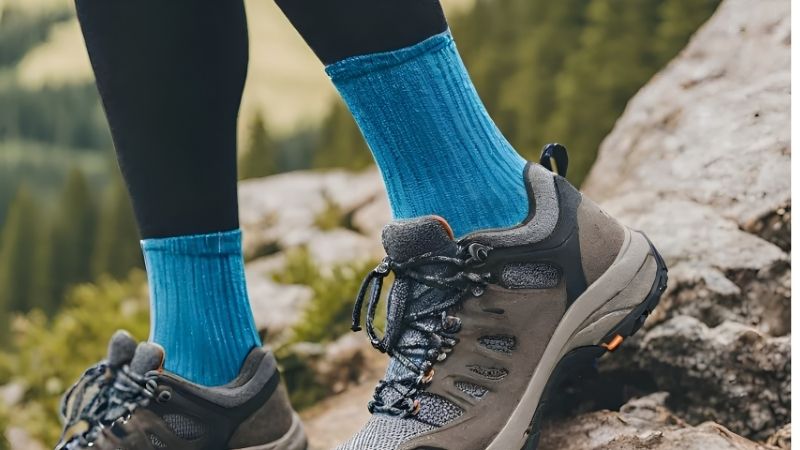
Material drives performance. Merino wool regulates temperature, resists odor, and stays comfortable wet, while synthetics like Coolmax dry fastest for hot, sweaty feet. Most top socks blend merino with nylon and spandex for durability and stretch. Avoid cotton entirely.
Match material to your conditions. Merino blends are the best all-around choice for cool weather and multi-day trips, while synthetics win for hot-weather speed and quick drying. Cotton holds moisture, causes blisters, and has no place on the trail.
Cushion Level
Cushion balances comfort against heat. Light-cushion socks breathe and dry fast for summer and trail runners, medium cushion suits most three-season hiking, and full cushion adds warmth and impact protection for cold weather and heavy loads over rough ground.
Think about your shoes and season. Thick socks can cramp low-volume trail runners, while thin socks feel harsh under a heavy pack. Choose the cushion that matches your footwear and the temperatures you actually hike in.
Height and Fit
Sock height should clear your boot cuff to prevent rubbing. Micro-crew and crew heights suit most mid boots, while shorter heights work with low shoes. A snug, seamless fit that stays put without bunching is essential to avoid blisters.
Fit matters as much as height. A sock that bunches or slips creates friction and hot spots, so look for a shaped, elastic fit. Try socks with your actual hiking shoes to confirm they stay smooth over miles.
Moisture and Odor Control
Dry feet are happy feet. Good hiking socks wick sweat away and dry quickly, since damp skin blisters easily. Merino naturally resists odor over multi-day trips, while synthetics need faster drying to stay fresh on the trail.
Consider a liner sock if you are blister-prone. A thin liner under a cushioned sock reduces friction, moving rubbing between the two layers instead of against your skin. This simple system prevents blisters on long, hot days.
Top Picks: The Best Hiking Socks
These are our favorite socks in this hiking socks guide for 2026, spanning light to full cushion and merino to synthetic. The table gives a quick overview; the write-ups explain who each pair suits and the honest compromise behind it.
| Model | Material | Cushion | Best For |
|---|---|---|---|
| Darn Tough Hiker Micro Crew | Merino-nylon blend | Light/medium | Best overall |
| Smartwool Mountaineer Max Cushion | 74% merino | Full | Cold weather |
| REI Merino Lightweight Crew | Merino blend | Light | Budget merino |
| Injinji Trail Midweight | Coolmax blend | Medium toe sock | Blister-prone feet |
| Farm to Feet Damascus Light | Merino blend | Light targeted | Hot-weather merino |
| Darn Tough Coolmax Hiker | Synthetic Coolmax | Medium | Hot, sweaty feet |
Darn Tough Hiker Micro Crew Cushion
The best overall pick, the Hiker Micro Crew pairs a tough merino-nylon blend with reliable light-to-medium cushioning and seamless construction. It manages moisture, resists odor, and lasts through heavy mileage, all backed by Darn Tough’s lifetime guarantee.
It costs more than budget socks, and the durable, high-density knit is less plush than some softer options. But for most hikers in most three-season conditions, its blend of comfort, durability, and warranty makes it the easy top pick.
Smartwool Classic Mountaineer Max Cushion
For cold weather, the Mountaineer is the warmth champion, built from 74% merino with dense, full cushioning that traps heat inside boots. Its extended height and plush knit make it ideal for winter hikes, icy expeditions, and cold-weather camping.
That warmth is overkill for normal three-season hiking, and many find them too hot above roughly 50 degrees. But for winter mountaineering and frigid nights when your feet run cold, few socks deliver such cozy insulation.
REI Co-op Merino Lightweight Crew
The budget merino pick, the REI Lightweight Crew offers high merino content, light cushioning, and solid moisture-wicking at a well-below-average price. It is a smart, affordable entry into merino socks for warm-weather trail miles and everyday hikes.
It runs big and feels a touch less polished and durable than pricier options. But for hikers who want the comfort and odor resistance of merino without the premium cost, it delivers strong value on the trail.
Injinji Trail Midweight
For blister-prone feet, Injinji’s toe socks are the specialist pick, wrapping each toe individually to stop between-toe friction and blisters. A Coolmax-blend build breathes well, making them a favorite for hikers who chafe between the toes on long days.
The toe design is not for everyone and takes getting used to, and the thin construction is more fragile than cushioned socks. For hikers who specifically get toe blisters, though, nothing else solves the problem as well.
Farm to Feet Damascus Light
The hot-weather merino pick, the Damascus Light pairs a merino blend with light, targeted cushioning and a bit of compression. It ventilates better than heavier socks on warm treks while still wicking moisture and resisting odor over long miles.
The light cushion offers less impact protection on rugged terrain under a heavy pack. But for hot-weather hikers who want merino comfort without excess heft, it is a breathable, well-fitting choice backed by a lifetime guarantee.
Darn Tough Coolmax Hiker
For hot, sweaty feet, the Coolmax Hiker is Darn Tough’s fully synthetic option, drying faster than merino in high heat. It suits hikers who overheat or prefer a vegan sock, keeping feet cooler and quicker to dry on scorching trails.
Synthetics resist odor less well than merino, so multi-day funk builds faster. But for hot-weather day hikes and hikers whose feet sweat heavily, its rapid drying and cooling feel make it the smarter material choice.
What Tariffs and Timing Mean for Sock Buyers in 2026
Even in a hiking socks guide, 2026 pricing is shaped by trade policy and the calendar, since socks are imported textiles. Reading the market and buying at the right time helps you stock quality socks for less.
Import Tariffs and Textile Prices
Most hiking socks are made overseas, and 2026 tariff policy remains unsettled after shifting court rulings and new investigations. Textile prices sit in the storm as a result, and many brands admit future pricing is only a best guess.
Because quality socks are inexpensive and durable, buying a few pairs now is low-risk. When your favorite socks are in stock at a fair price, stocking up beats waiting on imported goods that tariffs keep under pressure.
Closeouts and Multi-Pair Deals
Socks are where bundle savings shine. Retailers clearing pre-tariff inventory through late 2026 often discount last season’s colors, and buying a multi-pair pack frequently unlocks better per-pair pricing than single purchases.
Watch for value-tier deals especially, since mid-range brands pass costs straight through. A previous-year colorway of a proven sock performs identically, so the markdown is pure savings with no compromise in comfort or durability.
Seasonal Timing
Timing helps too. Late August into September brings back-to-school stock and pre-sale pricing, while Amazon’s fall Prime event, expected in early October, is ideal for stocking socks at a discount before winter.
For the deepest cuts, Black Friday and Cyber Monday in late November lead the year, and socks make easy gifts. Build a list now so you can buy several pairs at once when prices bottom out.
Frequently Asked Questions
A few questions come up whenever hikers use a hiking socks guide. Here are quick, practical answers to help you round out your sock drawer.
Are merino or synthetic socks better?
It depends on conditions. Merino regulates temperature and resists odor for cool weather and multi-day trips, while synthetics dry fastest for hot, sweaty feet. Merino blends are the best all-around choice; synthetics win in extreme heat.
How thick should hiking socks be?
Match cushion to season and footwear. Light cushion suits summer and trail runners, medium fits most three-season hiking, and full cushion adds warmth for cold weather. Too-thick socks can cramp low-volume shoes and overheat feet.
Do liner socks prevent blisters?
They can help. A thin liner under a cushioned sock shifts friction between the two layers instead of against your skin. Blister-prone hikers, especially on long, hot days, often find this two-sock system genuinely effective.
Why avoid cotton hiking socks?
Cotton absorbs and holds moisture, staying wet against your skin and causing blisters and cold feet. Unlike merino and synthetics, it does not wick or dry well, so it has no place in a serious hiking sock drawer.
See More:
Final Thoughts
The takeaway from this hiking socks guide is that the right socks prevent blisters and keep feet happy: choose merino blends for all-around comfort, synthetics for heat, and add liners if you chafe. The Darn Tough Micro Crew suits most hikers, while cold weather calls for the Smartwool Mountaineer. Buy when stock and pricing align, since tariff uncertainty on imported textiles makes waiting a gamble in 2026.