Key takeaways
What's inside
Hiking footwear guide shoppers face boots, shoes, trail runners, and sandals, so this rundown names the best pick in each category for 2026. We compare real weights, support, and fit across footwear types so you can match the right shoe or boot to your terrain, your load, and the shape of your foot.
As an Amazon Associate we earn from qualifying purchases.
By Jake Thompson
How to Use This Hiking Footwear Guide
The best footwear depends on how and where you hike, not on a single winner. This hiking footwear guide sorts options by type, waterproofing, support, and fit so you can weigh coverage against weight before you buy. The criteria below narrow the field.
Footwear Type
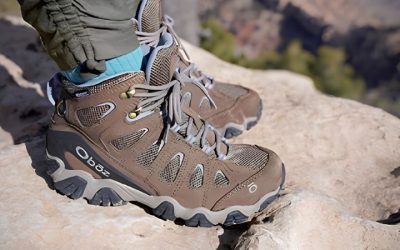
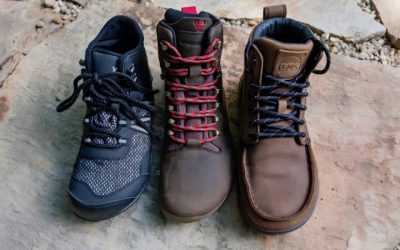
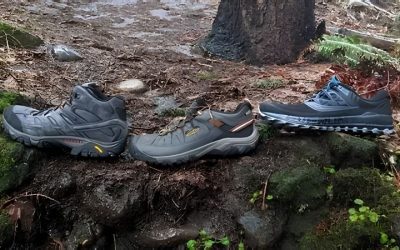
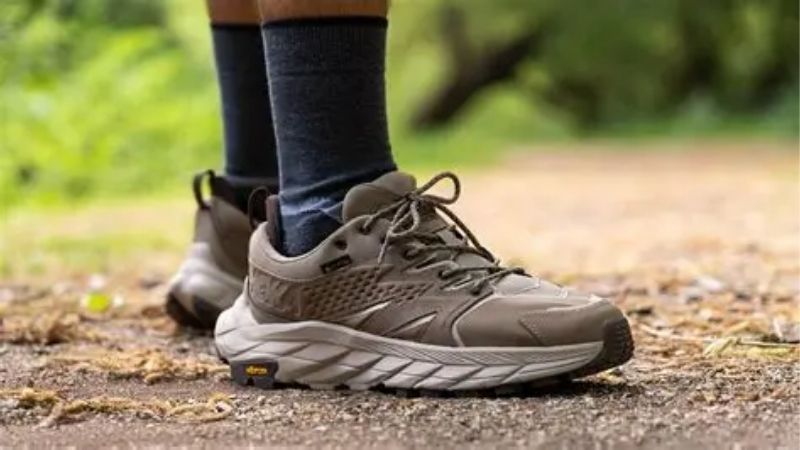
Boots offer the most support for heavy loads and rough ground, hiking shoes trade ankle coverage for speed, trail runners go lighter still, and sandals keep feet cool on hot, wet trails. Each type suits a different kind of hike and hiker.
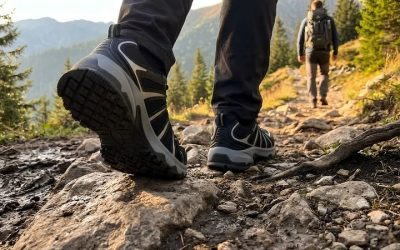
Start by naming your typical trip. Big loads and rugged terrain reward a boot, fast day hikes suit shoes or trail runners, and summer water routes call for sandals. Many hikers own more than one type and choose by outing.
Waterproof vs. Breathable
Waterproof membranes keep feet dry in wet grass and shallow crossings but trap heat. Breathable mesh footwear dries fast and stays cool, which many hikers prefer for summer trails and frequent creek crossings. Match the choice to your climate.
No footwear is both fully sealed and airy, so pick the trade-off that fits where you hike most. Cold, wet regions reward a membrane, while hot, dry trails favor breathability and quick drainage after you ford a stream.
Support and Load
Match stiffness to your pack. Light day hikers thrive in flexible shoes, while backpackers hauling real weight need a rigid boot and taller cuff. Too much support feels clunky on easy trails; too little leaves feet aching under a heavy load.
Terrain matters too. Rocky, uneven ground rewards a supportive build, while smooth trails let you go lighter. Buy the least footwear that still supports the way you hike to save weight and shorten any break-in period.
Fit and Foot Shape
Fit trumps every spec. Keen and Merrell run wide with roomy toe boxes, while Salomon runs narrow and locks the foot down. Footwear matched to your foot shape prevents the blisters that ruin long days, whatever type you choose.
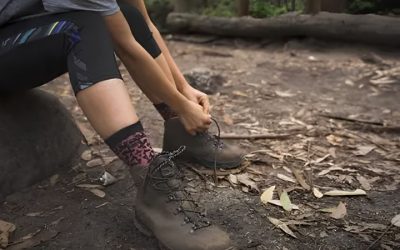
Try footwear late in the day with hiking socks and leave a thumb’s width at the toe for descents. Comfort out of the box is the strongest signal that a boot, shoe, or sandal actually fits your foot.
Top Picks: The Best Hiking Footwear
These are our favorite picks in this hiking footwear guide for 2026, with one standout per category. The table gives a fast overview; the write-ups explain who each option suits and the honest compromise that comes with each style.
| Model | Type | Weight | Best For |
|---|---|---|---|
| Salomon X Ultra 5 Mid GTX | Light boot | ~2 lb pair | All-round hiking |
| Merrell Moab 3 WP | Hiking shoe | ~1 lb 14 oz/shoe | Budget comfort |
| Hoka Speedgoat 7 | Trail runner | ~10.3 oz/shoe | Fast miles, cushion |
| Salomon Quest 5 GTX | Backpacking boot | Heavier | Heavy loads |
| Altra Lone Peak 9 | Zero-drop runner | Moderate | Thru-hikers |
| Teva Hurricane XLT2 | Hiking sandal | ~1 lb 4 oz pair | Hot, wet trails |
Salomon X Ultra 5 Mid GTX
The X Ultra 5 Mid is the do-everything boot, near 2 lb with a GORE-TEX liner and a nimble, stable ride. Its Advanced Chassis keeps the foot centered on rocky descents, and the Contagrip outsole grips confidently under a light backpacking load.
It runs narrow, so wide-footed hikers should look elsewhere, and it sits at a premium price. But for hikers who want one boot for day hikes and light overnights, it is the easiest all-round pick in this hiking footwear guide.
Merrell Moab 3 Waterproof
The Moab 3 is the value hiking shoe, near 1 lb 14 oz per shoe with a grippy Vibram TC5+ outsole and a comfortable, forgiving fit that needs almost no break-in. It lands under most competitors on price, making it an ideal everyday trail shoe.
It is not the most supportive option for rugged, off-trail terrain, and the waterproof version runs warm. For everyday trails and first-time buyers who want proven comfort at a fair price, though, it is hard to beat.
Hoka Speedgoat 7
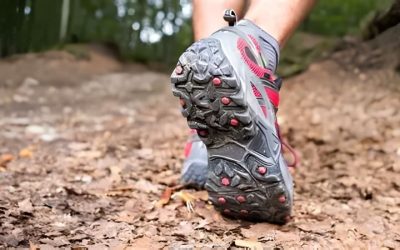
The Speedgoat is the trail-runner standout, near 10.3 oz per shoe with a 37 mm cushioned stack and a Vibram Megagrip outsole that bites on nearly any surface. It soaks up hardpack and long descents, making fast miles feel easy on the knees.
The upper runs snug and is not especially airy, so hot-weather and wide-footed hikers should note the fit. For fast day hikes and thru-hikers who keep pack weight low, though, it is a superb lightweight choice.
Salomon Quest 5 GTX
The Quest 5 is the heavy-load boot, with a rigid GORE-TEX chassis, tall supportive cuff, and grippy outsole that keep you stable under a loaded pack on rough, off-camber terrain. A cushioned ride reduces fatigue on long backcountry days.
It is heavier, stiffer, and pricier than lighter footwear, so it feels like overkill on easy day hikes. For backpackers carrying real weight over demanding terrain, though, the stability is worth every ounce.
Altra Lone Peak 9
The Lone Peak is the thru-hiker favorite, built on a zero-drop platform with a genuinely foot-shaped, wide toe box. It lets toes splay naturally over big miles, which is why so many long-distance hikers live in them for lightweight comfort.
Zero drop needs adaptation, and the moderate cushioning and tread wear faster than burlier shoes, often around 500 miles. For hikers who want a natural ride and a roomy fit, though, nothing else quite matches it.
Teva Hurricane XLT2
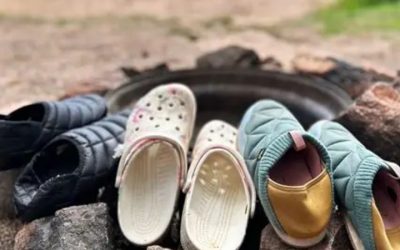
The Hurricane XLT2 is the hiking sandal pick, near 1 lb 4 oz with a lugged Durabrasion outsole and a three-point adjustment that locks the foot down. A molded EVA footbed gives instant, zero-break-in comfort for hot, wet trails and water crossings.
It offers less support than a stiff Chaco and, being open, no toe protection. But for keeping feet cool and quick-drying on summer trails, it does everything well at a friendly price, rounding out this footwear lineup.
What Tariffs and Timing Mean for Footwear Buyers in 2026
Across this hiking footwear guide, 2026 pricing is shaped by trade policy and the calendar as much as by design. Footwear is heavily imported, so reading the market helps you buy the right boot, shoe, or sandal for less.
Import Tariffs and Footwear Prices
Nearly all hiking footwear is made overseas, and 2026 tariff policy remains unsettled after shifting court rulings and new investigations. Prices sit in the storm as a result, and many brands admit future pricing is only a best guess.
That uncertainty favors buying footwear you want when it is in stock at a fair price, rather than waiting for a drop that may never arrive. For imported gear, locking in a good deal today is smart.
A Split Market and Closeout Deals
The 2026 market is bifurcated: premium brands raise prices, while mid-tier makers pass costs straight to buyers. That squeezes value shoppers, but it also opens deals in the gap between the tiers for patient hikers.
Retailers are clearing pre-tariff inventory through late 2026, so last season’s colorways appear at real markdowns. A previous-year model performs identically to this year’s version, making those closeouts the most dependable way to save.
Seasonal Timing
Timing rewards planning. Late August into September brings back-to-school stock and pre-sale pricing, with full size runs before popular sizes vanish. Amazon’s fall Prime event, expected in early October, is a strong window to buy footwear at a discount.
For the deepest cuts, Black Friday and Cyber Monday in late November lead the year. Buy early in a sale, since footwear sizes sell out fast once discounts go live and popular models disappear before the event ends.
Frequently Asked Questions
A few questions come up again and again when hikers use a hiking footwear guide. Here are quick, practical answers to help you choose the right footwear type.
Boots, shoes, or trail runners?
It depends on your load and terrain. Boots support heavy packs and rough ground, shoes suit lighter day hikes, and trail runners go lightest for fast miles. Many hikers own more than one and choose by trip rather than forcing one type.
Do I need waterproof footwear?
Only if your trails are wet. Membranes help in dewy grass and mud but run warm and dry slowly once soaked. In hot or dry conditions, breathable footwear that drains and dries fast is usually more comfortable.
How much should I spend on hiking footwear?
Enough for a proper fit and durable build, usually a mid-range price. Very cheap footwear often lacks support and wears out fast, while premium models add weight savings and longevity. Prioritize fit over brand or price.
How long does hiking footwear last?
Boots often last 500 to 1,000 miles, shoes and trail runners 300 to 500. Watch for packed-out cushioning and worn lugs, which signal reduced comfort and traction, and replace footwear before support fully degrades.
See More:
Final Thoughts
The lesson of this hiking footwear guide is to buy for your trips, not for a single label. Choose a boot for heavy loads, a shoe or trail runner for fast miles, and a sandal for hot, wet trails. Match the footwear to your terrain and foot shape, and buy when stock and pricing align, since tariff uncertainty on imported footwear makes waiting a gamble in 2026.