Premium backpacking tents cost more, but the right one buys weight savings, storm protection, and livable space you feel every single night. This guide compares six of the best high-end shelters for 2026, weighing real fabrics, trail weights, and design so your investment matches the miles you actually hike.
As an Amazon Associate we earn from qualifying purchases.
Our top picks


As an Amazon Associate we earn from qualifying purchases at no extra cost to you.
By Jake Thompson
How to Choose Premium Backpacking Tents
Spending up only pays off if you buy for your trips, not the spec sheet. The best premium backpacking tents win on fabric, pitch style, and how they balance weight against comfort. The four questions below sort the field before you commit real money to a shelter.
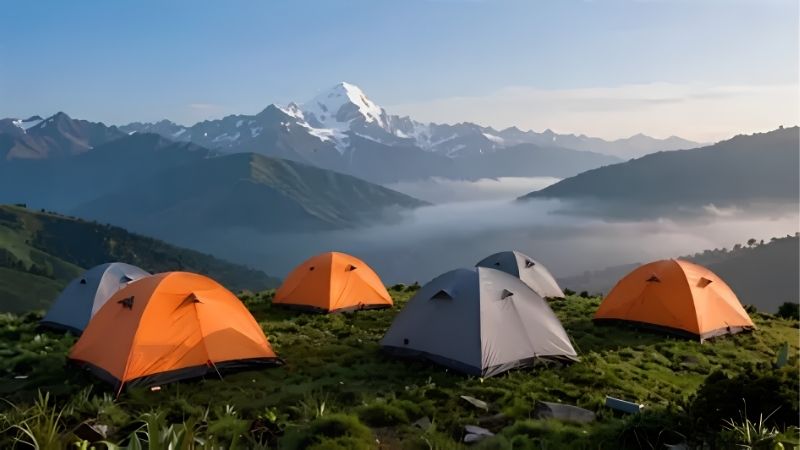
Fabric: DCF vs. Silpoly vs. Nylon
High-end shelters split by fabric. Dyneema Composite Fabric (DCF) is featherlight and waterproof to about 15,000 mm, but it costs the most and dislikes abrasion. Silpoly resists sag when wet and shrugs off UV, while premium ripstop nylon adds durability at a small weight and stretch penalty.
Match fabric to your habits. Thru-hikers chasing grams lean DCF; weekenders on gritty sites often prefer tougher nylon or silpoly that forgives rough handling. Neither is wrong, so weigh longevity against the ounces you truly need to shed.
Freestanding vs. Trekking-Pole Pitch
Freestanding tents use their own DAC aluminum poles, pitch anywhere, and move easily once up. Trekking-pole shelters ditch dedicated poles to save weight, but they demand careful staking and firm ground, and they lean on poles you already carry on trail.
If you hike with poles and camp on soil, a trekking-pole tent trims serious weight. If you camp on rock, sand, or platforms, or you value a quick, foolproof pitch, a freestanding design earns its extra grams every trip.
Weight vs. Livability
Premium tents range from sub-18-ounce single-wall shelters to roomier three-pound doubles. Lighter usually means less headroom, thinner walls, and single-wall condensation management. Heavier buys steep walls, two doors, and interior volume you notice on storm-bound afternoons.
Be honest about how you use a tent. Solo speed-hikers thrive in minimalist shelters, while couples who wait out weather want the extra square footage. The sweet spot is the lightest tent you will still enjoy living in.
Weather Protection and Durability
Look past marketing to seam construction, pole quality, and floor denier. Hot-bonded DCF seams and DAC poles signal longevity, while a higher-denier floor survives grit. Full-coverage flies and steep walls shed wind and rain far better than minimalist cuts.
Durability also depends on care. Premium fabrics reward a footprint, dry storage, and gentle handling. Buy the protection your climate demands, then treat the tent well so a costly shelter lasts many seasons instead of a few.
Top Picks: The Best Premium Backpacking Tents
These are our favorite premium backpacking tents for 2026, chosen to span DCF and nylon, freestanding and trekking-pole designs. The table gives a fast side-by-side; the write-ups explain who each shelter suits and where each one asks for a compromise.
| Model | Fabric | Weight (2P) | Pitch | Best For |
|---|---|---|---|---|
| Durston X-Mid Pro 2 | DCF | ~17.9 oz | Trekking-pole | Weight-obsessed thru-hikers |
| Zpacks Duplex Classic | DCF | ~1 lb 3 oz | Trekking-pole | Lightest 2P shelter |
| Big Agnes Copper Spur HV UL2 | Ripstop nylon | ~3 lb | Freestanding | All-round comfort |
| NEMO Hornet Elite OSMO 2P | OSMO poly-nylon | Ultralight | Semi-freestanding | Grams with a floor |
| Hyperlite UltaMid 2 | DCF pyramid | ~1 lb 3 oz | Trekking-pole | Storm-worthy floorless |
| Tarptent Double Rainbow | Silnylon | ~2 lb 10 oz | Hybrid | Value cottage pick |
Durston X-Mid Pro 2
Best for weight-obsessed thru-hikers, the X-Mid Pro 2 hits roughly 17.9 oz (509 g) yet stays livable. Its offset trekking-pole geometry creates a simple rectangular footprint, two doors, and two vestibules, and hot-bonded DCF seams handle heavy rain with a 15,000 mm rating.
The catches are real: single-wall DCF can bead condensation in still, humid air, the fabric is loud and dislikes grit, and the price is steep. For hikers logging thousands of miles, though, its weight-to-space ratio is hard to beat among premium backpacking tents.
Zpacks Duplex Classic
The Duplex is the lightest true two-person tent most hikers will find, near 1 lb 3 oz of DCF. It stays spacious, sheds weather well, and offers customization, including a zippered vestibule, a longer DupleXL, and an add-on kit that makes it semi-freestanding.
It is non-freestanding by default, so it needs trekking poles, careful staking, and firm ground to pitch taut. DCF also resists abrasion poorly and costs a premium. For gram-counters who camp on soil, the payoff in pack weight is enormous.
Big Agnes Copper Spur HV UL2
The Copper Spur is the freestanding all-rounder, about 3 lb with roughly 29 sq ft of floor, two doors, and steep, head-friendly walls. Updated HyperBead fabric and DAC poles give it a quick, foolproof pitch that goes up anywhere, rock or platform included.
Thin fabrics reward a footprint and gentle handling, and it is less bombproof than heavier four-season tents in sustained wind. But for couples who want comfort, easy setup, and go-anywhere versatility, it is the easiest premium tent to recommend.
NEMO Hornet Elite OSMO 2P
The Hornet Elite is NEMO’s featherweight, using PFAS-free OSMO poly-nylon that resists sag and stretch. Semi-freestanding and remarkably packable, it keeps a real bathtub floor and bug protection while stripping ounces for fast-and-light couples and soloists who want room.
Two people will find it snug, headroom tapers toward the foot, and the semi-freestanding rear must be staked to hold shape. It also costs a lot for its size. For hikers who want ultralight numbers without going floorless, it delivers.
Hyperlite Mountain Gear UltaMid 2
The UltaMid 2 is a DCF pyramid tarp near 1 lb 3 oz that pitches with trekking poles into a shockingly storm-worthy shelter. Its steep walls shrug off wind and driving rain, making it a favorite for exposed alpine camps where lighter tents flex and leak.
It ships floorless, so bug and ground protection means adding an insert that raises weight and cost. The center pole intrudes on space, and condensation needs managing. For minimalists who prize weather protection per ounce, it is exceptional.
Tarptent Double Rainbow
The Double Rainbow is the value entry from a respected cottage brand, around 2 lb 10 oz of silnylon with a hybrid trekking-pole and strut pitch. It offers generous length, two-person room, and single-wall simplicity at a price well below the DCF crowd.
Silnylon can sag when wet, so it needs a mid-storm re-tension, and the hybrid pitch has a short learning curve. As a single-wall shelter it also manages condensation actively. For hikers wanting cottage quality without DCF pricing, it is a smart buy.
What Tariffs and Timing Mean for Premium Tent Buyers in 2026
With premium backpacking tents, the price you pay in 2026 is shaped as much by trade policy and the calendar as by the tent itself. Metal poles and a bifurcated market both matter, so it pays to read the landscape before you check out.
Metal Tariffs and Pole Costs
Section 232 steel-and-aluminum tariffs (around 50%) remain in force and were untouched by this year’s rulings on other duties. Freestanding tents lean on aluminum DAC poles, and even trekking-pole shelters use metal stakes and hardware, so those tariffs push component costs upward.
The practical takeaway is simple. When a shelter you want is in stock at a fair price, buying often beats waiting for a dip that tariff pressure may erase. Metal-dependent gear is exactly where this shows up first.
A Split Market and Closeout Deals
The 2026 price picture is bifurcated. Premium, innovation-led brands are using pricing power to raise tags, some reporting high-single-digit increases, while mid-tier makers pass costs straight through. That squeezes value shoppers hardest at both ends.
The bright spot: retailers are clearing pre-tariff inventory through the back half of 2026, so closeout deals cluster in the gap between premium and mid-range gear. Last season’s colorways on a top-tier tent are the savviest way to save.
Seasonal Timing
Timing helps too. Late August into September is a pre-sale window with full sizes and colors in stock before peak demand. Amazon’s fall Prime event is expected in early October, so building a wishlist now lets you pounce on early markdowns.
For the deepest cuts, Black Friday and Cyber Monday in late November remain the year’s low point, and quality tents make popular early holiday gifts. If a specific model is a must-have, buy at the start of a sale to dodge stockouts.
Frequently Asked Questions
A few questions come up repeatedly when hikers shop for premium backpacking tents. Here are quick, practical answers to help you finalize a confident choice.
Are premium tents worth the extra cost?
For frequent backpackers, usually yes. You pay for lighter fabrics, better poles, and construction that lasts. If you camp often, the weight savings and durability justify the price over cheaper tents you replace sooner and carry heavier in the meantime.
Is DCF better than nylon?
DCF is lighter and fully waterproof, but it costs more and abrades faster. Premium nylon and silpoly are tougher and cheaper, with a small weight penalty. Choose DCF for long-mile weight savings and nylon or silpoly for durability and value.
Do trekking-pole tents pitch well for beginners?
They can, with practice. Trekking-pole shelters demand firm ground and careful staking, so the first few pitches feel fiddly. Beginners who camp on rock or want a foolproof setup are often happier starting with a freestanding tent.
How do I make an expensive tent last?
Use a footprint, pitch it taut, and never store it wet, since trapped moisture breaks down coatings. Keep it off gritty ground, patch small nicks early with repair tape, and a premium shelter will serve many seasons.
See More:
Final Thoughts
There is no single winner among premium backpacking tents, because the best one tracks your trips, not the price tag. Gram-counters should grab the X-Mid Pro 2 or Duplex, comfort-seekers will love the Copper Spur, and storm-chasers should eye the UltaMid. Whichever you pick, buy when stock and pricing align, since tariff pressure on aluminum poles makes waiting a gamble on these high-end shelters.