
Key takeaways
What's inside
Best hiking spots in Oahu are not always the famous ones, some of the finest views sit on quieter ridges and coastlines. This guide to the best hiking spots in Oahu highlights under-the-radar trails with big payoffs, the safety and legal rules that keep you out of trouble, and the gear to pack for early starts and exposed terrain.
As an Amazon Associate we earn from qualifying purchases at no extra cost to you.


As an Amazon Associate we earn from qualifying purchases at no extra cost to you.
By Jake Thompson, gear writer at Roger Bacon Outdoors
🛒 Best Price Today on Amazon
Prime members get fast, free shipping on everything above, plus member-only deals. New members get a 30-day free trial — cancel anytime.
Best Hiking Spots in Oahu Off the Beaten Path
Beyond Diamond Head and Manoa, the best hiking spots in Oahu reward hikers who venture a little farther for quieter trails and unforgettable views. These three trade crowds for solitude and scenery. Here is what makes each special.
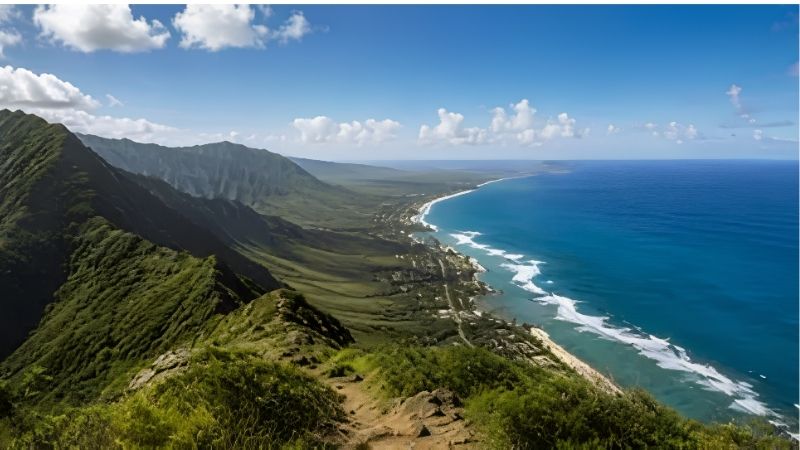
Ehukai Pillbox
The Ehukai Pillbox hike, above Sunset Beach on the North Shore, is a short, roughly one- to two-mile round trip to concrete bunkers with sweeping views of the Seven Mile Miracle coastline. It takes about 30 minutes to reach the top, making it a quick, high-reward outing when you are already up north for the beaches.
The catch is footing: the trail gets muddy and threads through tree roots, so grippy shoes and careful steps matter, especially after rain. Go early to enjoy the North Shore light and quiet, and pair it with a beach day or a stop at the famous surf breaks below.
Kaʻena Point
Kaʻena Point is the island’s wild western tip, a roughly five-mile round-trip coastal walk over a flat, rugged jeep track to a natural area reserve. It is less a climb than a scenic stroll, but the payoff is huge: seabird colonies, tide pools, and, in season, Hawaiian monk seals and nesting albatross along the shore.
The trail is fully exposed with no shade and little water, so sun protection and plenty to drink are essential across the long, open miles. It is a magical, uncrowded spot, but the sun and distance make an early start and solid preparation more important than the easy grade suggests.
Wiliwilinui Ridge
Wiliwilinui Ridge is a quieter ridge climb with a genuine summit feel, a roughly five-mile round trip through native forest to a high point with commanding views of the Windward Coast and, on clear days, much of the island. Its relative solitude and native flora make it a favorite among hikers seeking a calmer, scenic ascent.
Access runs through a gated residential area with limited daily parking passes, so arrive early and follow the sign-in rules. The upper ridge can be muddy and slick after rain and narrows near the top, so take care with footing where the trail gets exposed on both sides.
Safety and Legal Notes for Oahu Hiking
The best hiking spots in Oahu come with real hazards and a few hard rules, and knowing them keeps your trip safe and legal. Here are the three that catch visitors out most often.
Skip the Haʻikū Stairs
The Haʻikū Stairs, or Stairway to Heaven, remain strictly illegal as of 2026 and are undergoing permanent removal to restore the ridge. Trespassing carries heavy fines of up to a thousand dollars and possible criminal charges, so despite the viral photos, it is off-limits and not worth the risk.
If you want that stair-climbing challenge legally, the Koko Head Crater trail is the go-to alternative, with over a thousand railroad-tie steps and huge summit views. Choosing legal trails also protects fragile ridgelines and keeps access open for everyone, which matters on a heavily hiked island.
Flash Floods and Freshwater Risks
Valley and waterfall trails can flood fast in heavy rain, so check the forecast and skip stream-crossing hikes like Lulumahu when storms threaten. A sunny trailhead does not guarantee safety upstream, and flash floods in Oahu’s valleys have caught hikers off guard with little warning.
Freshwater carries its own hazard. Leptospirosis, a bacterial infection, is a real risk in Oahu’s streams and pools, so avoid submerging in freshwater, especially with open cuts. Skip swimming at spots like Manoa and Lulumahu, and save your dips for lifeguarded ocean beaches or Waimea Falls.
Parking, Permits, and Respect
Many trailheads sit in residential areas, like Lanikai, where limited street parking and frustrated neighbors are the norm, so arrive early and keep noise down. Diamond Head needs advance reservations for out-of-state visitors, and some Waianae Range or state-land trails require DLNR access permits.
Respect closures, private property, and posted rules, since trespassing can bring fines and erode access for future hikers. Ridge trails often lack guardrails, so mind the exposure, stay on the path, and pack out everything you bring to help protect these fragile, well-loved spots.
What to Pack for Hiking Spots in Oahu
Early starts, exposed ridges, and muddy trails call for a few key items. These five essentials cover the best hiking spots in Oahu, all real and widely available.
| Item | Why It Matters |
|---|---|
| Headlamp | Pre-dawn starts for sunrise spots |
| Grippy trail shoes | Muddy, root-covered trails |
| Hydration | Long, shadeless coastal miles |
| Sun protection | Exposed ridges and coast |
| Offline trail map | Unmarked, quieter routes |
Headlamp for Early Starts
A headlamp earns its place at the quieter spots, where sunrise starts mean hiking part of the way in the dark. Trails like Ehukai and the ridges have uneven footing and roots that are easy to trip over before dawn, so a hands-free light keeps you safe and steady on the climb to catch first light.
Choose a rechargeable model with a bright, wide beam and carry a small backup, since being caught out without light on an exposed ridge is a genuine hazard. It also helps if a longer hike like Kaʻena Point runs later than planned and you finish near dusk on open terrain.
Grippy Shoes and Hydration
Grippy trail shoes are vital off the beaten path. Muddy, root-covered trails like Ehukai and slick ridge sections after rain punish smooth soles, so an aggressive outsole is your best insurance against a slip on the exposed, quieter routes where help is farther away than on the popular hikes.
Long, shadeless spots like Kaʻena Point demand extra water, since there is no shade and no refill along the miles of open coast. Carry a reservoir or several bottles, and drink steadily rather than waiting until you feel thirsty, which in the island heat is already too late to catch up.
Sun Protection and an Offline Map
Treat sun protection as essential on these exposed spots, with a wide-brim hat, sunglasses, a sun shirt, and reef-safe sunscreen. The tropical UV on open ridges and the west-side coast is stronger than mainland visitors expect and reflects off rock and water to burn faster than a cloudy day would.
An offline trail map rounds out the kit for quieter, less-marked routes. Cell service is spotty on ridges and the west side, so download maps in advance to stay on the legal path and avoid wandering onto closed or private land. A comfortable daypack carries it all with room for snacks.
Finally, tell someone your plan before heading out to these remote spots. Cell service is unreliable on the west side and the ridges, so sharing your route and return time means help knows where to look if a hike runs long or something goes wrong far from the nearest trailhead or paved road.
Frequently Asked Questions
These are the questions hikers ask most about the best hiking spots in Oahu. Short answers follow.
Is the Stairway to Heaven hike legal?
No. The Haʻikū Stairs remain strictly illegal as of 2026 and are being permanently removed, with trespassing fines up to a thousand dollars and possible criminal charges. For a legal stair challenge with big views, hike the Koko Head Crater trail and its 1,048 railroad-tie steps instead.
Which spots are least crowded?
Kaʻena Point, Wiliwilinui Ridge, and the Ehukai Pillbox tend to be quieter than Diamond Head or Manoa, especially early in the day. Wiliwilinui’s gated access and Kaʻena’s remote location naturally thin the crowds, so you often get the big views and coastline largely to yourself.
Are Oahu’s freshwater pools safe to swim in?
Generally no. Streams and waterfall pools carry a leptospirosis risk, so avoid submerging, especially with open cuts. Skip swimming at spots like Manoa and Lulumahu, and choose lifeguarded ocean beaches or the paid, lifeguarded pool at Waimea Falls if you want to get in the water.
Do I need a permit for these trails?
Some do. Lulumahu Falls requires a state-land permit, and certain Waianae Range trails need DLNR access permits. Wiliwilinui Ridge runs through a gated area with limited parking passes. Ehukai and Kaʻena Point are free, but always confirm current access rules and closures before you go.
See More:
- best travel backpack for females
- best backpack for laptops
- best hydrogen water bottle
- best headlight restoration kit
Final Thoughts
The best hiking spots in Oahu reward hikers who go farther and follow the rules, from the quiet Wiliwilinui ridge to the wild coast at Kaʻena Point. Skip the illegal Haʻikū Stairs, respect permits, parking, and freshwater cautions, and start early for the best light. Pack a headlamp, grippy shoes, water, and sun protection before you head out.







Write Your Review
No reviews yet. Be the first to share your experience!