
Best trekking poles for seniors come down to confidence: secure locks that will not slip, grips that are kind to arthritic hands, and enough shock absorption to spare knees and hips. Two extra points of contact steady every step on uneven ground. This guide sorts the best options by lock type, grip, weight, and stability.
Our top picks


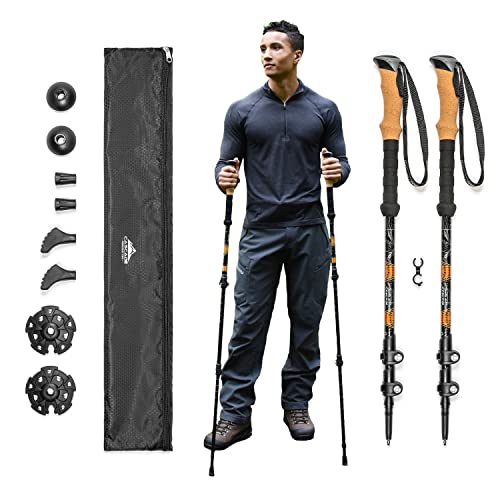 Cascade Mountain Tech Lightweight Aircraft-Grade Aluminum Trekking
- Exceptional Quality and Comfort - Crafted from aircraft-grade…
- Quick Lock Mechanism - Designed with rugged terrain…
- Cork Grip with Extended EVA Down Grip -…
 Premium Foldable Hiking Poles by USA Brand
Folds down to just 15 inches for packing
Aircraft-grade aluminum keeps weight under 11 ounces
Choice of cork or EVA grip suits preference
Two fixed size ranges split by height under or over 5'9"
Maximum height recommendation caps around 55 inches

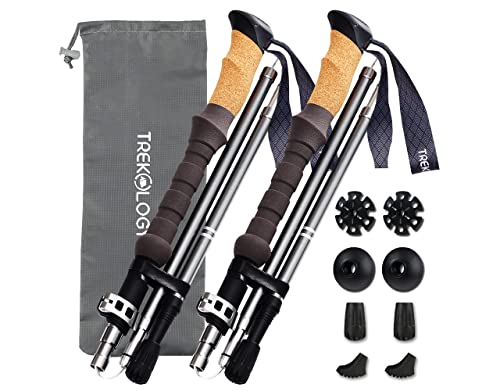 Trekology Trek-Z Cork Grip Collapsible Lightweight Hiking
- Natural Cork Grip Handle: Cork grips naturally absorb…
- Engineered and Built To Last: Keeping your Adventurous…
- Compact Design that is Ready to Go When…


As an Amazon Associate we earn from qualifying purchases at no extra cost to you.
As an Amazon Associate we earn from qualifying purchases.
🛒 Best Price Today on Amazon
Prime members get fast, free shipping on everything above, plus member-only deals. New members get a 30-day free trial — cancel anytime.
Start 30-Day Prime Free Trial →See Today’s Amazon DealsHow to Choose the Right Best Trekking Poles for Seniors
The best trekking poles for seniors shift the priorities from raw performance to safety and comfort: a lock that holds without a strong grip, a handle that will not blister arthritic hands, a weight that steadies rather than tires, and shock absorption that protects joints. Match these before you compare prices.

Lock Type: Flip Locks, Not Twist Locks
The single most important feature is the locking mechanism. External flip or lever locks are far safer for seniors because they clamp visibly, adjust with one gloved or arthritic hand, and rarely slip. Twist locks require real grip strength to tighten and are the most common cause of poles collapsing mid-step.
A collapsing pole is a genuine fall risk, so this is not a place to save money on an unproven mechanism. If you can see and hear the lock engage, and open it with light pressure, it will serve you far better than a fiddly internal twist system.
Grip Material: Cork or EVA Foam
Grips make or break comfort because you hold them for hours. Cork is the top choice, molding to your hand over time, wicking sweat, and staying comfortable wet or dry, which especially helps hikers with arthritis. EVA foam is a soft, warm second choice that cushions sensitive hands well.
Avoid hard plastic and slick rubber grips, which cause blisters in heat and force a tighter, more tiring hold. An extended grip section below the main handle is a bonus, letting you choke down on steep pitches without stopping to adjust pole height.
Weight and Stability
Lighter poles reduce arm fatigue over long miles, and aircraft-grade aluminum models around 9 to 10 ounces each strike a sensible balance. Ultralight carbon poles feel effortless to swing, but very light poles can feel less planted, so hikers with balance concerns may prefer a touch more mass underhand.
Aluminum also flexes and forgives rather than snapping under sudden load, which matters if you lean hard on a pole during a stumble. Carbon is lighter and dampens trail buzz, but it is stiffer and pricier, so weigh reassurance against featherweight swing for your own needs.
Shock Absorption and Adjustability
Anti-shock spring systems can absorb roughly 20 to 40 percent of impact, easing pressure on knees and hips, which is a real benefit for seniors with joint issues or past injuries. The trade is a little added weight and a slightly softer plant, so it suits joint protection over maximum efficiency.
Adjustability rounds it out. A broad height range fits most builds, and generously padded straps distribute weight across the wrist rather than the palm, reducing hand strain. Being able to shorten poles for climbs and lengthen them for descents keeps your posture upright and your steps secure.
Top Picks for the Best Trekking Poles for Seniors
Our picks for the best trekking poles for seniors cover the full range senior hikers care about, from proven budget aluminum with flip locks to premium anti-shock poles with cork grips. Each names a real trade-off so you can weigh stability, comfort, and price for your own hikes.
| Model | Shaft | Grip | Lock | Best For |
|---|---|---|---|---|
| Black Diamond Trail Ergo Cork | Aluminum | Ergonomic cork | FlickLock | All-round comfort |
| Cascade Mountain Tech Quick Lock | Aluminum | Cork | Lever lock | Budget value |
| Foxelli Trekking Poles | Aircraft aluminum | Cork | Flip lock | Light + affordable |
| TrailBuddy Aluminum | 7075 aluminum | Cork | Quick lever | Sturdy budget |
| LEKI (DSS Anti-Shock) | Aluminum | Cork / foam | SpeedLock lever | Joint protection |
| Montem Ultra Strong | Aluminum | EVA foam | Flip lock | Stability + flex |
Black Diamond Trail Ergo Cork
A perennial favorite, the Trail Ergo Cork pairs a contoured, angled cork grip that molds to the hand with Black Diamond’s dependable FlickLock lever system. The aluminum shaft is durable and forgiving, and the ergonomic handle keeps the wrist in a natural position, which reduces strain on long, gradual climbs.
It lacks a mechanical anti-shock spring, so hikers with sensitive knees may want a spring-equipped option, and it costs more than bare-bones budget poles. For a comfortable, reliable, no-drama pole that seniors can trust step after step, though, it remains one of the safest picks.
Cascade Mountain Tech Quick Lock
Cascade Mountain Tech has become a staple for older hikers on a budget, combining cork grips, easy quick-adjust lever locks, and light aluminum construction at a fraction of premium prices. The cork molds and wicks moisture, and the glove-friendly levers make height changes effortless on varied terrain.
At this price the locks and tips are dependable but not premium, and the finish feels basic next to boutique brands. Some versions omit anti-shock. For seniors who want proven cork-and-lever comfort without a big investment, it is the value benchmark among the best trekking poles for seniors.
Foxelli Trekking Poles
Built from aircraft-grade aluminum, Foxelli poles weigh about 9.4 ounces each and extend from 24 to 54 inches via quick flip locks, with cork grips that wick sweat and plush padded straps for all-day comfort. The light swing weight keeps arm fatigue low across long, easy miles.
Under very heavy leaning they can show a little flex, the straps are functional rather than plush, and budget quality control varies between pairs. For a light, comfortable, affordable pole that ticks the cork-grip and flip-lock boxes seniors need, they are a strong everyday choice.
TrailBuddy Aluminum
TrailBuddy pairs strong 7075 aluminum shafts with cork grips and quick lever locks, delivering sturdy, stable support at a friendly price. The aluminum flexes rather than snapping under sudden load, and the cork handles stay comfortable through sweaty summer hikes, making these a reassuring pick for balance-focused hikers.
They are heavier than carbon poles and lack a mechanical anti-shock spring, and the straps are plain. But for seniors who value a planted, dependable feel and durable construction over featherweight numbers, TrailBuddy hits the sweet spot of sturdiness and affordability.
LEKI Poles with DSS Anti-Shock
LEKI is the premium benchmark, and its DSS anti-shock system absorbs a meaningful share of trail impact to protect knees and hips, paired with comfortable cork or foam grips and glove-friendly SpeedLock levers. For seniors with joint pain or past injuries, that engineered shock damping is the headline benefit.
The catch is price and a little added weight from the spring mechanism, plus slightly more moving parts to learn. If joint protection and long-term durability rank above cost, LEKI’s proven anti-shock poles are among the most protective options a senior hiker can carry.
Montem Ultra Strong
The Montem Ultra Strong leans on flexible aluminum shafts that provide natural give underhand, EVA foam grips that cushion sensitive hands, and simple flip locks that adjust easily. The result is a stable, forgiving pole that steadies uneven steps without the harshness of a stiff carbon shaft.
Foam grips are less durable and less moisture-wicking than cork over the long haul, the poles are on the heavier side, and there is no mechanical anti-shock. For hikers who prioritize a planted, flexible feel and soft grips at a mid-budget price, they are a sensible, stable choice.
Frequently Asked Questions
Short answers to the questions buyers of the best trekking poles for seniors ask most, from whether poles really help to which lock and grip to choose.
Do trekking poles really help seniors with balance?
Yes. Poles add two points of contact with the ground, creating a wider, more stable base that prevents stumbles on roots, rocks, and slick surfaces. Planted slightly ahead and to the sides, they engage the upper body and give real security on uneven terrain, which is why many balance-focused hikers rely on them.
Are flip locks or twist locks better for arthritis?
Flip or lever locks, without question. They engage with light pressure, adjust with one hand, and give visible confirmation they are secure, all of which suit reduced grip strength. Twist locks demand a strong squeeze to hold and can slip, making them a poor and potentially unsafe choice for arthritic hands.
Should seniors choose cork or foam grips?
Cork usually wins for most senior hikers, molding to the hand, wicking moisture, and staying comfortable wet or dry, which helps with arthritis. Foam is a softer, warmer alternative that suits very sensitive hands or circulation issues. Either beats hard plastic or slick rubber, which cause blisters and force a tiring grip.
Will aluminum poles cost more this year?
Possibly. Tariffs on aluminum and steel have pushed up costs for poles and other metal-framed gear, and brands describe future pricing as uncertain. Buying dependable flip-lock, cork-grip poles ahead of peak fall hiking demand protects both availability and budget on the model that fits you best.
See More:
- Best hiking boots for wide feet women
- Best summer hiking boots
- Best hiking boots flat feet
- Best affordable hiking boots
- Best minimal hiking boots
Final Thoughts
The best trekking poles for seniors are the ones whose locks hold securely, whose cork or foam grips spare your hands, and whose weight and shock absorption steady your stride and protect your joints. Prioritize flip locks over twist, choose comfortable grips, and buy proven poles before seasonal demand and metal costs climb further.
Write Your Review
No reviews yet. Be the first to share your experience!