
Key takeaways
What's inside
The best ultra lightweight tent shaves your base weight to the bone so you can carry more food, water, and miles between resupplies. This guide compares six tested 2026 ultralight shelters across trail weight, fabric, weather protection, and setup, so you can match a sub-two-pound tent to your thru-hiking or fast-packing style rather than guessing at the trade-offs.
As an Amazon Associate we earn from qualifying purchases at no extra cost to you. Product prices and availability are accurate as of the date shown and are subject to change.
🛒 Best Price Today on Amazon
Prime members get fast, free shipping on everything above, plus member-only deals. New members get a 30-day free trial — cancel anytime.
Start 30-Day Prime Free Trial →See Today’s Amazon DealsHow to Choose the Best Ultra Lightweight Tent
The best ultra lightweight tent trims every possible ounce while still sheltering you from wind, rain, and bugs. Before comparing models, weigh four levers: weight, fabric choice, weather protection, and setup style. Get these right and your shelter nearly disappears from your pack without leaving you exposed.
Weight Targets
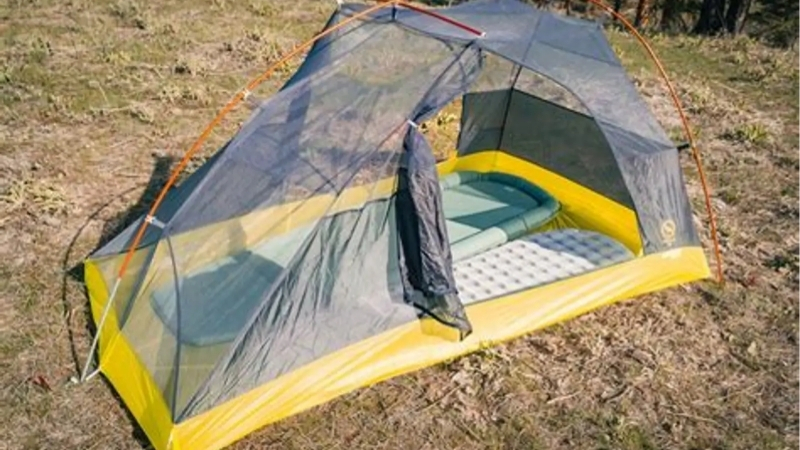
Ultralight generally means under two pounds for a one-person tent and under two and a half pounds for a two-person model. The lightest one-person shelters dip near a single pound, a remarkable feat for a full bug-and-rain shelter.
Trail weight is the honest number, so compare shelters stripped to their essential components. Shaving base weight lets you carry more consumables and hike farther between resupply points on long trails.
Fabric: DCF Versus Silnylon
Dyneema Composite Fabric is the lightest, is naturally waterproof, and does not sag when wet, but it commands a steep price. It is the choice of thru-hikers who want maximum weight savings and dependable weather performance.
Silnylon and silpoly cost far less and have served tentmakers for decades, though nylon can sag and its coating degrades over time. Silpoly resists sagging better than nylon, a useful middle-ground for budget-minded ounce-counters.
Weather Protection and Condensation
Single-wall trekking-pole shelters save weight but can collect interior condensation, so ventilation and pitch quality matter. A poorly pitched single-wall tent can leave your sleeping bag damp by morning in humid air.
Look for peak vents, generous fabric coverage, and designs that keep your quilt off the walls. Solid anchoring on rocky ground is essential, since trekking-pole shelters rely on taut stakeout to hold their shape.
Setup: Freestanding or Trekking-Pole
Most dedicated ultralight tents are non-freestanding and pitch with your trekking poles, saving the weight of dedicated tent poles. That demands a flat spot large enough to stake out and a bit of practice to pitch cleanly.
Some ultralight freestanding options exist for hikers who want to pitch anywhere without poles. If you are new to ultralight shelters, a semi-freestanding or double-wall model eases the learning curve.
Buying an Ultralight Tent in 2026: Prices and Timing
Beyond specs, timing shapes what you pay for the best ultra lightweight tent in 2026. Premium fabric costs have climbed, and hiking-season demand swings prices, so a little planning stretches your budget.
Tariffs and Material Costs
Outdoor gear makers reported broad input-cost increases this year, with technical fabrics and Dyneema among materials seeing higher costs. Brands have described some new prices as estimates that may shift as trade conditions change.
Because many ultralight tents come from small cottage brands with limited production, discounts are rare and stock is finite. When a shelter you want is available at its normal price, buying promptly often beats waiting.
Seasonal Timing
Cottage ultralight brands rarely run deep sales, but mainstream ultralight tents see markdowns during the big seasonal events. Ordering ahead of thru-hiking season also avoids long production lead times on made-to-order shelters.
Major sales windows, including October’s Prime Big Deal Days and the late-November Black Friday and Cyber Monday stretch, occasionally surface ultralight deals from the larger brands.
Buy Early and Dial the Pitch
Trekking-pole shelters reward practice, so buy early and pitch yours repeatedly at home until a taut, storm-ready setup is muscle memory. A sloppy pitch cuts usable space and invites condensation and flapping.
Early ordering also matters because cottage brands can have weeks-long lead times, and popular configurations sell out ahead of the long-trail hiking season.
Top Picks: The Best Ultra Lightweight Tent Reviewed
These six picks for the best ultra lightweight tent span a do-it-all trekking-pole shelter, a thru-hiker DCF classic, the lightest solo option, and a beginner-friendly semi-freestanding tent. The table gives a quick overview, then each review covers who it suits and its trade-offs.
| Model | Fabric | Capacity | Best For | Price Tier |
|---|---|---|---|---|
| Durston X-Mid Pro 1 | DCF | 1 person | Best overall UL | Premium |
| Zpacks Duplex | DCF | 2 person | Thru-hiker classic | Premium |
| Zpacks Pivot Solo | DCF | 1 person | Lightest solo | Premium |
| Gossamer Gear The One | Silnylon | 1 person | Budget ultralight | Mid |
| Hyperlite Mountain Gear UNBOUND | DCF | 2 person | Storm-worthy DCF | Premium |
| Big Agnes Tiger Wall UL2 | Nylon | 2 person | Beginner-friendly UL | Mid |
Durston X-Mid Pro 1
The X-Mid Pro 1 is our best overall ultralight pick, a DCF trekking-pole shelter near 17 to 18 ounces whose offset pole geometry delivers standout headroom and dual doors without a center pole. Testers rated its geometry among the best they have used.
It requires trekking poles, a flat pitch site, and a premium budget, and the regular X-Mid 1 is a far cheaper double-wall alternative. For hikers who want the best one-person ultralight shelter, it is the benchmark.
Zpacks Duplex
The Duplex is the thru-hiker DCF classic, a two-person trekking-pole shelter around a pound and change that has logged countless long-trail miles. Its hardwearing Dyneema build is naturally waterproof and does not sag when wet.
The sidewalls can look saggy if not pitched taut, and the price is steep. For committed ultralight backpackers who want a proven, feathery two-person home, it remains a category icon.
Zpacks Pivot Solo
The Pivot Solo is the lightest solo option, weighing about 16 ounces yet offering a cleverly designed, comfortable interior for one. Its DCF construction keeps weight rock-bottom while staying waterproof.
The exclusive DCF build commands a high price, and single-wall design demands attention to condensation. For gram-obsessed solo hikers chasing the lowest possible shelter weight, it is exceptional.
Gossamer Gear The One
Gossamer Gear’s The One is our budget ultralight pick, a roughly 19.5-ounce silnylon shelter that delivers nice headroom at a fraction of DCF prices. It is a great entry point into trekking-pole ultralight camping.
Its floor is on the cramped side and silnylon can sag when wet. For beginners and value-focused hikers who want ultralight weight without the DCF premium, it is a smart, accessible choice.
Hyperlite Mountain Gear UNBOUND
The UNBOUND is a storm-worthy DCF pick, using sidewall gussets that address the sag common to single-wall Dyneema shelters for a taut, stable pitch. It pairs low weight with the reliable weather performance HMG is known for.
It is a premium, trekking-pole shelter that rewards a careful pitch. For thru-hikers who want DCF weight savings with a cleaner, more supported structure, it is a compelling option.
Big Agnes Tiger Wall UL2
The Tiger Wall UL2 is the beginner-friendly ultralight pick, a semi-freestanding nylon tent around two pounds with two doors that pitches without the learning curve of trekking-pole shelters. It is forgiving and easy to live with.
Its floor is snug for two and the light fabric needs care. For hikers new to ultralight who want low weight without committing to a single-wall trekking-pole design, it is an ideal bridge.
Frequently Asked Questions
Quick answers to the questions hikers ask most when choosing the best ultra lightweight tent for thru-hiking and fast-packing.
What counts as an ultralight tent?
Ultralight generally means under two pounds for a one-person tent and under two and a half pounds for a two-person model, with the lightest shelters dipping near a single pound. Achieving those weights usually means trekking-pole pitching and premium fabrics like Dyneema rather than freestanding poles.
Is Dyneema worth the price over silnylon?
Dyneema is lighter, naturally waterproof, and does not sag when wet, which justifies the cost for serious thru-hikers logging big miles. Silnylon and silpoly cost far less and work well for most hikers, though nylon sags and its coating degrades over time. Choose based on budget and mileage.
Are trekking-pole tents hard to set up?
They take practice, since a taut, storm-ready pitch depends on good stake placement and pole height. Once you learn the technique, setup is quick and reliable. Beginners often start with a double-wall or semi-freestanding ultralight tent before graduating to a single-wall trekking-pole shelter.
How do I manage condensation in a single-wall tent?
Pitch with good ventilation, open peak vents and doors, and avoid low, damp campsites. Keep your quilt or sleeping bag from touching the walls, since single-wall shelters collect interior moisture. A well-ventilated, taut pitch in a breezy spot dramatically reduces the morning dampness single-wall tents can produce.
Final Thoughts
Choosing the best ultra lightweight tent comes down to matching weight, fabric, and setup style to your mileage and budget rather than chasing the single lowest number. The Durston X-Mid Pro 1 leads overall, the Zpacks Duplex is the thru-hiker classic, and the Zpacks Pivot Solo goes lightest, while the Gossamer Gear The One and Big Agnes Tiger Wall UL2 ease newcomers in. Buy early, dial your pitch, and any of these six will shrink your base weight without leaving you exposed.
As an Amazon Associate we earn from qualifying purchases at no extra cost to you. Product prices and availability are accurate as of the date shown and are subject to change.




Write Your Review
No reviews yet. Be the first to share your experience!