
Key takeaways
What's inside
The best rated survival knife matches steel, tang, and blade length to the work you actually do in the field, from batoning firewood to carving tinder and dressing game. This guide compares six tested 2026 fixed blades across steel type, edge grind, spine, and sheath, so you can choose a bombproof tool with confidence rather than guessing at the counter.
As an Amazon Associate we earn from qualifying purchases at no extra cost to you. Product prices and availability are accurate as of the date shown and are subject to change.
🛒 Best Price Today on Amazon
Prime members get fast, free shipping on everything above, plus member-only deals. New members get a 30-day free trial — cancel anytime.
Start 30-Day Prime Free Trial →See Today’s Amazon DealsHow to Choose the Best Rated Survival Knife
The best rated survival knife is the one built to survive hard use, so favor a fixed blade with no moving parts to fail. Before comparing models, weigh four levers that decide field performance: blade steel, tang construction, blade length and grind, and the spine and sheath. Get these right and the knife becomes an extension of your hand.
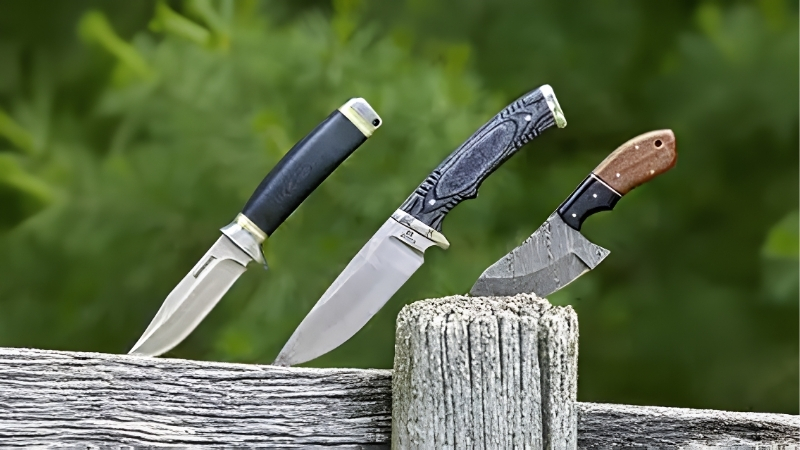
Blade Steel
Steel choice shapes edge retention, toughness, and corrosion resistance. High-carbon steels like 1095 take a keen edge and are easy to sharpen but need oiling to fend off rust, while stainless options such as 14C28N resist corrosion in wet climates.
Premium powder steels like CPM-3V add exceptional toughness that shrugs off chipping during batoning. For most users, a proven carbon or stainless steel offers the best balance of performance and price.
Full Tang Construction
Tang is the portion of steel that extends into the handle, and for survival duty a full tang running the knife’s full length is the gold standard. It resists snapping under the leverage of prying and chopping.
Partial or rat-tail tangs save weight but concede strength where it matters most. If you plan to baton wood or pry, a full tang is non-negotiable for long-term reliability.
Blade Length and Grind
A blade roughly as long as your hand is wide, near four to six inches, hits the sweet spot for general survival work. It carves fine detail yet still batons through moderate branches for firewood.
A Scandi grind bites into wood beautifully for bushcraft, while a flat or saber grind balances slicing and durability. Match the grind to whether you prioritize woodcraft or all-around cutting.
Spine and Sheath
A sharp ninety-degree spine lets you scrape bark for tinder and throw sparks off a ferro rod without dulling your cutting edge. A rounded spine surrenders much of that fire-starting capability.
The sheath matters too, since a secure molded or leather carry keeps the blade safe and ready. Options for belt, MOLLE, or pack lashing add real versatility in the field.
Buying a Survival Knife in 2026: Prices and Timing
Beyond steel and tang, timing shapes what you pay for the best rated survival knife in 2026. Metal input costs have risen, and seasonal demand around hunting and holidays swings prices, so a little planning stretches your budget.
Tariffs and Material Costs
Broad tariff pressure and duties on steel have pushed input costs up across the outdoor tool category this year. Brands have described some new prices as estimates that may shift as trade conditions change.
The practical upshot is that a quality blade is unlikely to get much cheaper at full retail. When a knife you trust appears at a fair price, buying it can beat holding out for a discount that may not come.
Seasonal Timing
Knife demand climbs heading into fall hunting season and the winter holidays, when gift buying tightens stock. The deepest discounts often land in the big sales windows just before those peaks.
Major events, including October’s Prime Big Deal Days and the late-November Black Friday and Cyber Monday stretch, typically deliver the year’s best knife deals.
Buy Early and Learn It
If a hunt or backcountry trip is on the calendar, buy early so you can sharpen, strop, and get comfortable with the knife before you depend on it. Familiarity beats a factory edge in the field.
Early buying also dodges the pre-season stock crunch on popular models, which sell through fast once cold weather and hunting season arrive.
Top Picks: The Best Rated Survival Knife Reviewed
These six picks for the best rated survival knife span a stainless bushcraft all-rounder, a carbon-steel workhorse, a heavy-duty chopper, and a budget standby. The table gives a quick overview, then each review below covers who it suits and the trade-offs to weigh.
| Model | Steel | Blade | Best For | Price Tier |
|---|---|---|---|---|
| Morakniv Garberg | 14C28N stainless | ~4.3 in | All-around bushcraft | Mid |
| ESEE 4P | 1095 carbon | ~4.5 in | Bushcraft workhorse | Mid |
| Ka-Bar Becker BK2 | 1095 Cro-Van | ~5.25 in | Heavy-duty batoning | Mid |
| Benchmade Bushcrafter 162 | CPM-S30V | ~4.4 in | Premium build | Premium |
| Morakniv Bushcraft Black | Carbon steel | ~4.3 in | Budget bushcraft | Budget |
| Gerber StrongArm | 1095 carbon | ~4.8 in | Tactical value | Budget |
Morakniv Garberg
The Garberg is our all-around bushcraft pick, a Swedish-made full-tang knife in easy-sharpening 14C28N stainless with a Scandi grind that bites into wood. Its sharp ninety-degree spine throws sparks well and it stays light enough for all-day carry.
The handle can feel small for extra-large hands, and the factory polymer sheath is basic next to Kydex. For most users wanting one reliable, low-maintenance blade, it is hard to beat.
ESEE 4P
The ESEE 4P is a bushcraft workhorse in 1095 carbon with a textured powder coat, removable Micarta scales, and a molded sheath configurable for belt, MOLLE, or lashing. It batons, carves, and preps game with ease.
The carbon steel needs light oiling to prevent rust, a small trade for its edge. Backed by a no-questions lifetime warranty, it is a confidence-inspiring everyday survival blade.
Ka-Bar Becker BK2
The Becker BK2 is a heavy-duty chopper disguised as a survival knife, ground from thick 1095 Cro-Van carbon steel that gives it the mass to baton and pry without flinching. It thrives on hard, abusive tasks.
That thickness makes delicate slicing and fine game prep awkward, and the knife is heavy on the belt. For users who prioritize brute strength and wood processing, it is a tank.
Benchmade Bushcrafter 162
The Bushcrafter 162 is the premium pick, pairing tough CPM-S30V steel with a comfortable contoured handle and the refined fit and finish Benchmade is known for. It handles both fine tasks and moderate chopping with poise.
The obvious catch is a steep price that not everyone will justify. For those who want a heirloom-quality blade to keep for life, its build and edge retention earn the spend.
Morakniv Bushcraft Black
The Bushcraft Black is the budget bushcraft standout, delivering a sharp carbon-steel blade and a purpose-built sharpened spine at a price that barely dents your wallet. Instructors often recommend it to new students for good reason.
It is not full tang, so extreme prying is off the table, and the carbon steel needs care against rust. For value and everyday reliability in a bugout pack or truck, it punches far above its cost.
Gerber StrongArm
The StrongArm is a tactical value pick, made in the USA with a 1095 carbon blade, a grippy rubberized handle, and a versatile multi-mount sheath. It is lighter than many full-size fixed blades and easy to carry.
It lacks lashing holes for improvising a spear and an insulated handle, minor gaps for most users. For an affordable, dependable do-it-all field knife, it delivers strong performance per dollar.
Frequently Asked Questions
Quick answers to the questions buyers ask most when choosing the best rated survival knife for bushcraft, hunting, and emergency use.
Fixed blade or folding knife for survival?
A fixed blade is the clear choice for a primary survival tool because it has no pivot to fail under batoning or prying. A quality folder works for backup or everyday carry, but for hard field use, the strength and reliability of a fixed blade win.
What blade length is ideal?
Roughly four to six inches is the sweet spot for general survival work. That range carves fine detail and trap triggers yet still batons through moderate branches. Much shorter struggles with wood processing, while much longer becomes an unwieldy machete for delicate tasks.
Carbon steel or stainless steel?
Carbon steels like 1095 take a keen edge and sharpen easily but rust without care, so they suit dry climates and diligent owners. Stainless steels like 14C28N resist corrosion in wet conditions with slightly more effort to sharpen, making them ideal for coastal or humid use.
How do I maintain a survival knife?
Keep it clean and dry after use, and touch up the edge regularly with a stone or strop. For a carbon blade, a thin film of oil, or even lip balm in a pinch, wards off rust. Store it out of the sheath long-term to avoid trapped moisture.
See More:
- Best shoes for trail running
- Best rated binoculars for hunting
- Best waterproof boots for hiking
- best waterproof rain jacket women
- sleeping pad best
Final Thoughts
Choosing the best rated survival knife comes down to matching steel, a full tang, and blade length to your climate and the work you do rather than chasing the biggest blade. The Morakniv Garberg leads for low-maintenance bushcraft, the ESEE 4P is a proven carbon workhorse, and the Ka-Bar Becker BK2 crushes heavy chopping, while the Morakniv Bushcraft Black covers the budget. Buy early, learn its edge, and any of these six will serve when it counts.
As an Amazon Associate we earn from qualifying purchases at no extra cost to you. Product prices and availability are accurate as of the date shown and are subject to change.









Write Your Review
No reviews yet. Be the first to share your experience!