
Key takeaways
What's inside
Camping gear best suited to a first season looks very different from a kit list built for hard use, and most buying advice ignores that gap entirely. This guide covers the four specifications that genuinely matter across categories, then works through five items that earn their place in almost any setup.
As an Amazon Associate we earn from qualifying purchases at no extra cost to you. Product prices and availability are accurate as of the date shown and are subject to change.



As an Amazon Associate we earn from qualifying purchases at no extra cost to you. Product prices and availability are accurate as of the date shown and are subject to change.
🛒 Best Price Today on Amazon
Prime members get fast, free shipping on everything above, plus member-only deals. New members get a 30-day free trial — cancel anytime.
How to Choose the Camping Gear Best Suited to You
Almost every buying mistake in this category comes from copying a kit list built for a different kind of trip. Working out which camping gear best fits your situation starts with how far the equipment travels from the vehicle, then moves to season, group size and how much abuse it needs to survive.
Distance From the Vehicle Changes Everything
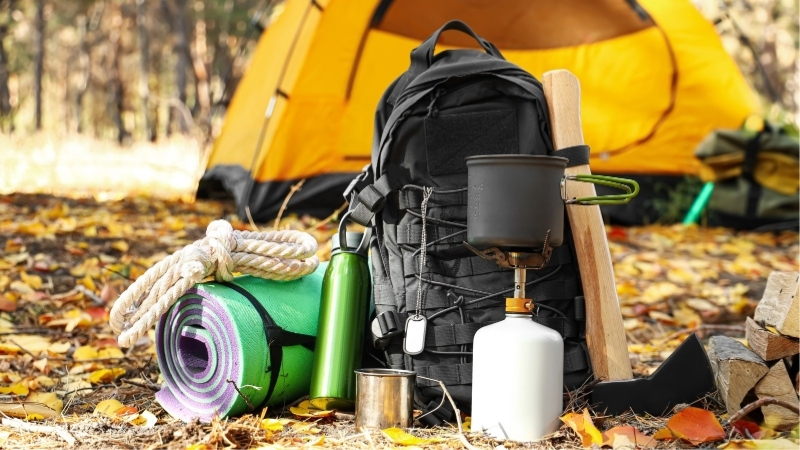
Car camping removes weight from the equation almost entirely, which means you can prioritise comfort, durability and space over grams. A heavy canvas chair, a thick sleeping pad and a large tent are all sensible choices when the boot opens fifteen feet from where the tent will be pitched.
Backpacking inverts every one of those priorities. Each item is measured in ounces and packed volume, and comfort is traded away deliberately. Buying backpacking-grade equipment for car camping wastes money on weight savings you will never notice, while the reverse leaves you carrying far too much.
Season Rating Deserves More Attention Than It Gets
Sleeping bag ratings describe survival rather than comfort in many systems, so a bag rated to twenty degrees is often comfortable closer to thirty. Read whether a figure is a comfort or a limit rating before trusting it, and assume you will sleep colder than the number on the label suggests.
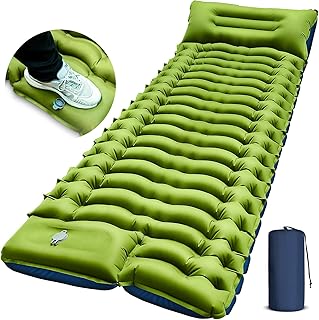
Sleeping pads matter just as much and get overlooked constantly. R-value measures insulation from the ground, which is where most overnight heat is lost. A warm bag on a thin pad still sleeps cold, so the two should be chosen together rather than treated as unrelated purchases.
Materials and Denier Tell You About Durability
Fabric weight is quoted in denier, and higher numbers mean thicker, tougher yarn. A tent floor at high denier survives being pitched on gravel, while a lightweight backpacking floor needs a groundsheet and more care. That difference explains much of the price gap between superficially similar tents.
Aluminium poles flex and recover where fibreglass eventually splinters, which is the most common failure point on budget tents in wind. Similarly, hard-anodised cookware resists scratching from metal utensils far better than plain aluminium. Materials, not brand names, predict how long equipment lasts.
Top Picks: Camping Gear Best Value Across Five Categories
The camping gear best worth spending on covers five categories rather than five versions of the same item, because a strong kit is balanced rather than lopsided. The table sets out the essentials, then each entry explains who it suits and where the design compromises genuinely show up.
| Item | Category | Key spec | Weight | Best for |
|---|---|---|---|---|
| Coleman Sundome 4 | Tent | 9 x 7 ft floor | Car camping weight | Family trips |
| Kelty Cosmic 20 | Sleeping bag | 20°F, 550 fill down | Around 2 lb 10 oz | Three season use |
| Therm-a-Rest Z Lite Sol | Sleeping pad | R-value 2.0 | 14 oz | Durable insulation |
| Helinox Chair One | Camp chair | 320 lb capacity | About 2 lb | Packable comfort |
| GSI Pinnacle Camper | Cook set | Four person nesting | Moderate | Group cooking |
Coleman Sundome 4-Person Tent
The Sundome has been the default first tent for decades because the fundamentals are right. A nine by seven foot floor genuinely sleeps a small family, the welded floor and inverted seams keep water out in ordinary rain, and the simple two-pole dome design pitches in minutes without instructions.
Headroom is modest at around five feet at the peak, so changing clothes means kneeling. The fibreglass poles are the weak point in strong wind, and ventilation struggles on humid nights with four people inside. For fair-weather family camping at established sites, it remains outstanding value.
Kelty Cosmic 20 Down Sleeping Bag
The Cosmic 20 hits the point where down becomes affordable without becoming fragile. Five hundred and fifty fill power down treated for water resistance packs small, weighs around two pounds ten ounces, and handles three season conditions comfortably for most people who are not naturally cold sleepers.
Lower fill power means it packs larger than premium bags of the same rating, and the twenty degree figure is closer to a limit than a comfort temperature for many. Down also loses loft if stored compressed. Hang it or keep it in a large cotton sack and it will last many seasons.
Therm-a-Rest Z Lite Sol
The Z Lite Sol is closed-cell foam, which means it cannot puncture, never needs inflating and can be thrown on gravel without a second thought. An R-value of two provides real insulation from the ground, and at fourteen ounces it strapped to a pack without meaningfully affecting the load.
It is far less comfortable than an inflatable pad, particularly for side sleepers, and it does not pack small since it folds rather than rolls tight. For durability, simplicity and use as a sit pad or a supplementary layer beneath an inflatable in cold conditions, nothing else is as dependable.
Helinox Chair One
The Chair One changed what a camp chair could be, using DAC aluminium poles to support well over three hundred pounds while weighing around two pounds and packing down to the size of a water bottle. It assembles in under a minute and is comfortable enough for an entire evening.
It sits low, which some people dislike, and the narrow feet sink into soft sand or mud without the optional ground sheet. It also costs several times what a basic folding chair does. For anyone carrying a chair any distance at all, the weight and packed size justify the outlay.
GSI Outdoors Pinnacle Camper
The Pinnacle Camper is a complete four-person cook system that nests into a single unit, including pots, a strainer lid, insulated mugs and bowls. Hard-anodised aluminium spreads heat evenly and resists scratching, and the nesting design stops the usual chaos of loose cookware rattling in a crate.
It is bulky and heavy compared with a minimalist pot, so it belongs firmly in the car camping category. The non-stick coating also needs plastic utensils and gentle cleaning to survive. For feeding a group properly rather than boiling water, having everything match and nest is worth the space.
Costs, Late Season and Buying Timing
Outdoor equipment has absorbed real cost increases over the past year, and the calendar affects availability as much as price. Anyone assembling the camping gear best suited to their trips right now is buying at a useful moment, with the season still running and the autumn discount window ahead.
Tariffs Have Pushed Input Costs Higher
An Outdoor Industry Association survey found 84 percent of member businesses expect to be affected by new tariffs, with input costs rising roughly 7.7 percent and technical materials such as high-tenacity nylon and specialist foams up ten to fifteen percent. Tents and sleeping bags use both heavily.
Duties on aluminium and steel add a second layer, landing on tent poles, chair frames and cookware. Brands have described forward pricing as provisional while conditions settle, so the realistic expectation across this category is stable-to-rising prices rather than a return to earlier levels.
There Is Still a Full Season Left to Use It
Weeks of warm-weather camping remain before the weather turns, which is the practical argument for buying now instead of waiting for autumn discounts. Gear bought this month gets tested on real trips, and problems like a leaking seam or an uncomfortable pad surface while returns are still simple.
Availability is also better now than later. Popular tent sizes and three-season sleeping bags thin out as hunting season opens in September and autumn campers restock, so the specific configuration you want is considerably easier to find in July and August than in the middle of the shoulder season.
Build a List Before the Autumn Sale Events
If the whole kit cannot be bought at once, prioritise the items that affect sleep quality, since a bad night ruins a trip faster than a mediocre chair. Then shortlist the rest and track prices, because Amazon runs early promotions ahead of its October event and late November remains the deepest window.
Follow specific models rather than categories. Outdoor discounts are uneven and headline reductions frequently land on last season’s colours or sizes nobody wanted. Knowing the normal price of the exact tent or bag you chose is the only way to recognise a genuine saving when one appears.
Frequently Asked Questions
The questions that come up most often when people are assembling the camping gear best suited to their first few seasons concern what to buy first, how much to spend and what can safely be improvised. Practical answers follow, based on what actually causes trips to go badly.
What should I buy first?
Sleep system before anything else, meaning a bag and pad matched to the temperatures you expect. A cold night makes everything else irrelevant, while a mediocre chair or cook set is merely inconvenient. Shelter comes next, then cooking, then the comfort items that are easy to borrow or improvise.
Is expensive gear actually worth it?
For sleep systems and shelter, higher spending buys measurable performance in warmth, weight and weather resistance. For chairs, tables and cook sets, the returns flatten quickly and budget options work fine at a campsite. Spend where failure ruins a trip and economise where it merely annoys you.
How do I stop a tent leaking?
Most leaks come from the floor rather than the fly, so use a footprint or groundsheet cut slightly smaller than the tent so it does not channel water underneath. Seal seams if they are not factory taped, avoid touching the inner wall in rain, and always pitch the fly properly taut.
How should I store gear between trips?
Everything must be completely dry before it goes away, since a damp tent develops mildew within days and ruins the coating. Store sleeping bags loose in a large sack rather than compressed, keep foam pads unrolled or loosely folded, and empty fuel from stoves before putting them in storage.
Related Guides
- choosing a camping stove
- soft coolers for day trips
- coolers that hold ice for days
- beach shelters and sand anchoring
Final Thoughts
The camping gear best suited to you follows from how you camp rather than from any universal list. Spend on sleep and shelter, economise on comfort items, and match durability to how far the kit travels from the vehicle. Build the kit in that order and each purchase makes the next trip better.





Write Your Review
No reviews yet. Be the first to share your experience!