
Key takeaways
- Cook on low to medium heat; high flame degrades non-stick coatings and discolors aluminum.
- Use only silicone, wood, or plastic utensils, never metal, on coated pans.
- Avoid cooking spray, which builds a sticky residue that is hard to remove; use a thin film of oil instead.
- Store coated pans with a cloth or paper towel between them so nesting pieces don’t scratch each other.
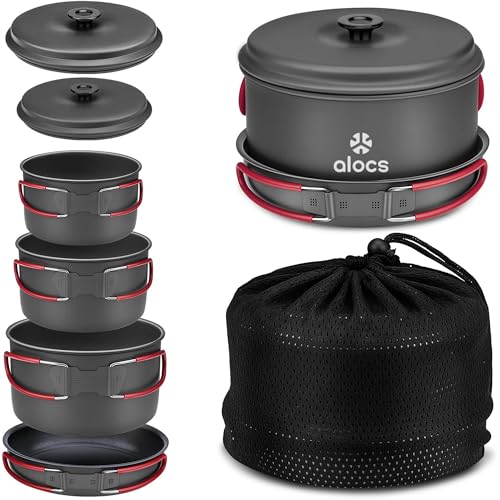
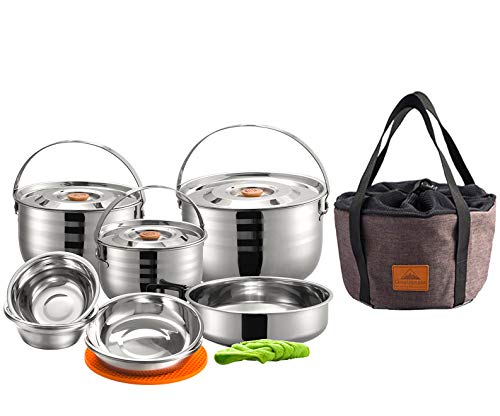
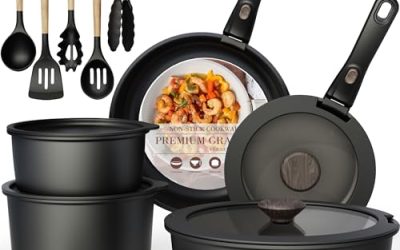
A quality camping cookware set is an investment that should last a decade of trips, but only if you treat it right in the field and at home. Aluminum pots warp under high flame, non-stick coatings flake when scoured with steel wool, and stainless steel pits if food is left sitting overnight. The good news is that keeping a mess kit like the Odoland 15pcs Camping Cookware set or a CAMPINGMOON 16PCS stainless nesting kit in top shape takes only a few simple habits.
This guide walks through cleaning, seasoning, drying, and storing your outdoor cookware so it performs on trip one hundred as well as it did on trip one. Whether you cook on a canister stove, an open fire, or a compact backpacking setup, the principles below apply to aluminum, hard-anodized, non-stick, and stainless steel pots and pans alike in 2026.
Our top picks




As an Amazon Associate we earn from qualifying purchases at no extra cost to you. Ratings are shown as listed on Amazon.
⚡ Save on Your Next PC — Amazon Prime
Prime members get fast free shipping on the systems above, plus early access to Prime Day & Black Friday PC deals. New members get a 30-day free trial.
Watch: How to Maintain Your Camping Cookware for Longevity — Video Review
Clean Cookware Correctly in the Field
The single biggest cause of ruined camp cookware is aggressive scrubbing. Let a pot cool before washing so the thermal shock of cold water doesn’t warp thin aluminum. Scrape food out with a silicone or wooden spatula, then wipe with a soft sponge and a drop of biodegradable soap. For stuck-on residue, add water and heat it briefly to loosen the food rather than scouring. Never use steel wool or abrasive pads on non-stick sets like the Kitchen Academy removable-handle cookware; a nylon brush is enough.
Protect Non-Stick and Coated Surfaces
- Cook on low to medium heat; high flame degrades non-stick coatings and discolors aluminum.
- Use only silicone, wood, or plastic utensils, never metal, on coated pans.
- Avoid cooking spray, which builds a sticky residue that is hard to remove; use a thin film of oil instead.
- Store coated pans with a cloth or paper towel between them so nesting pieces don’t scratch each other.
Season and Care for Stainless and Cast Pieces
Stainless steel sets such as the CAMPINGMOON 16PCS kit resist rust but can develop rainbow heat tint or white mineral spots. Remove tint with a paste of baking soda and water; lift mineral spots with a splash of vinegar. If your kit includes any cast or carbon-steel griddle, wipe it with a thin coat of oil after each use to maintain a natural non-stick patina and block rust.
Dry Thoroughly Before Packing
Moisture is the enemy of longevity. Even stainless steel can pit if packed wet for days. Towel-dry every piece, then air-dry for a few minutes before nesting. For multi-day trips, wipe the interior with a paper towel each morning to catch condensation. A fully dry mess kit also weighs less and won’t grow odors inside a pack.
Store for the Off-Season
At home, store cookware loosely rather than tightly stacked, and slip a paper towel between nested pieces to absorb humidity and prevent scratches. Keep the set in a dry closet, not a damp garage or basement, and leave lids ajar so no trapped moisture builds up. For sets with folding handles like the Odoland mess kit, unfold them occasionally to keep the hinges from stiffening.
Tips
- Pack a small microfiber cloth dedicated to drying cookware so you never store a wet pot.
- Carry biodegradable soap and wash at least 200 feet from any water source to follow Leave No Trace.
- Label or color-code nesting pieces so reassembly is quick and nothing gets forced.
- Inspect handles and rivets before each season and tighten any loose hardware.
Frequently Asked Questions
Can I put camping cookware in the dishwasher?
Stainless steel pieces usually survive a dishwasher, but non-stick and hard-anodized aluminum should be hand-washed. Dishwasher detergent is harsh enough to dull coatings and cause aluminum to oxidize over time.
How do I remove burnt food without scratching the pan?
Add water and a spoonful of baking soda, bring it to a gentle simmer for a few minutes, then let it soak. The residue lifts off with a soft sponge and no scrubbing.
Why did my aluminum pot turn black?
Aluminum oxidizes and can leave gray or black marks, especially after boiling hard water. Boil a mix of water and a tablespoon of cream of tartar or lemon juice to brighten it; this is cosmetic and harmless.
How long should a good camping cookware set last?
With proper care, a stainless set can last 10-15 years and a non-stick set 4-6 years before the coating wears. Gentle heat, soft utensils, and dry storage make the biggest difference.
Conclusion
Camp cookware longevity comes down to four habits: cool before cleaning, scrub gently, dry completely, and store loose and dry. Follow those and a mid-priced mess kit will outlast far pricier gear that gets abused. Build these steps into your post-trip routine and your pots and pans will be ready for many more seasons on the trail.


Write Your Review
No reviews yet. Be the first to share your experience!