
Key takeaways
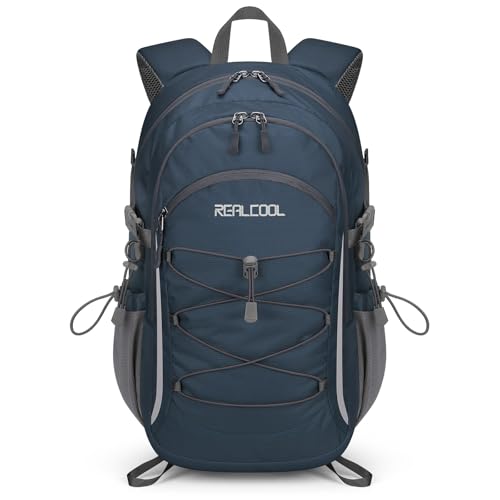
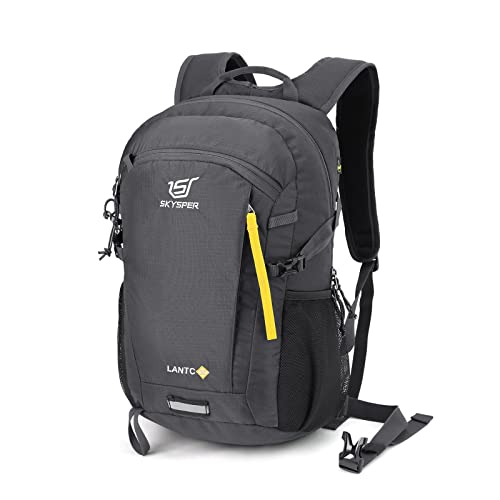
- 15 to 20L: Short, warm-weather hikes needing only water, snacks, and a light layer. The RealCool 20L or SKYSPER 20L suit fast-and-light outings.
- 25 to 30L: The all-day sweet spot, with room for lunch, extra layers, a first aid kit, and a rain shell. The TILYMOL 30L fits this range.
- 35 to 40L: Longer days, cooler weather, or carrying gear for kids. The Maelstrom 40L handles bigger loads with a rain cover included.
A day hike does not need an expedition pack, but the wrong backpack can still ruin an otherwise perfect trail. Too small and your water and layers will not fit; too big and you carry dead weight and a sloppy load. The sweet spot for most day hikes is a well-fitted 20 to 40-liter pack that carries close to your back, breathes on hot climbs, and disappears once it is loaded correctly.
This 2026 guide walks through how to choose a day-hiking backpack, covering the capacity you actually need, the fit details that prevent sore shoulders, and the features worth paying for. Get these right and your pack becomes an afterthought, letting you focus on the trail.
Our top picks




As an Amazon Associate we earn from qualifying purchases at no extra cost to you. Ratings are shown as listed on Amazon.
⚡ Save on Your Next PC — Amazon Prime
Prime members get fast free shipping on the systems above, plus early access to Prime Day & Black Friday PC deals. New members get a 30-day free trial.
Watch: How to Select a Hiking Backpack for Day Hikes: Capacity and Comfort — Video Review
Match Capacity to Your Hike
Volume, measured in liters, drives your choice more than anything:
- 15 to 20L: Short, warm-weather hikes needing only water, snacks, and a light layer. The RealCool 20L or SKYSPER 20L suit fast-and-light outings.
- 25 to 30L: The all-day sweet spot, with room for lunch, extra layers, a first aid kit, and a rain shell. The TILYMOL 30L fits this range.
- 35 to 40L: Longer days, cooler weather, or carrying gear for kids. The Maelstrom 40L handles bigger loads with a rain cover included.
Prioritize Fit and Comfort
A pack that fits transfers weight to your hips, not your shoulders. Look for a padded, breathable back panel, adjustable shoulder straps, and, on larger packs, a hip belt that sits on your iliac crest. Even a light day load rides better with a sternum strap to keep the shoulder straps from sliding outward. Try the pack loaded if you can, since comfort empty tells you little.
Look for a Hydration System
Staying hydrated is non-negotiable on the trail. Many day packs, like the TILYMOL, include a hydration bladder sleeve and hose port so you can sip without stopping. If you prefer bottles, ensure the side pockets are reachable while wearing the pack and deep enough to hold a full liter securely.
Weigh Weight Against Durability
Ultralight packable daypacks like the SUIKIHUM fold to a pocket and weigh almost nothing, perfect as a summit bag or travel spare, but they skimp on padding and support. Structured packs weigh more but carry heavier loads comfortably and last longer. Choose based on how much you carry and how rough your terrain is.
Consider Weather Protection
Water-resistant fabric sheds light drizzle, but a dedicated rain cover, included with packs like the Maelstrom, keeps your gear dry in a real downpour. If your pack lacks one, a trash-bag liner is a cheap backup that protects electronics and spare clothing.
Tips
- Pack heavy items close to your back and centered to keep the load stable and balanced.
- Adjust straps in order: loosen all, snug the hip belt, then shoulders, then sternum strap.
- Keep frequently used items like snacks and a map in hip-belt or top pockets.
- Break in a new pack on a short hike before committing to a long day out.
Frequently Asked Questions
What size backpack is best for day hiking?
For most day hikes, 20 to 30 liters is ideal, holding water, food, layers, and safety gear without excess bulk. Size up to 35 to 40 liters for cold weather, longer days, or when carrying gear for others.
How should a day pack fit?
The pack should hug your back with weight on your hips, not digging into your shoulders. A snug but comfortable hip belt, adjustable shoulder straps, and a sternum strap together keep the load stable and pain-free.
Do I need a hydration bladder or water bottles?
Either works. Bladders let you sip hands-free and hold more water, while bottles are easier to refill and monitor. Choose a pack that supports your preference, with a bladder sleeve or reachable side pockets.
Is an ultralight packable backpack good enough?
For short, light hikes or as a summit and travel bag, yes. For heavier loads or rough terrain, a structured pack with real padding and support carries far more comfortably and holds up longer.
Conclusion
Choosing a day pack comes down to matching capacity to your hike, then dialing in a fit that puts weight on your hips. Favor a breathable back panel, a hydration option, and weather protection sized to your conditions. Whether you go ultralight with a packable bag or structured with a 30L like the TILYMOL, the right pack turns into gear you forget you are wearing, exactly as it should be.

Write Your Review
No reviews yet. Be the first to share your experience!