Key takeaways
Cooler buying guide advice usually starts with a spec sheet, but the real question is how you actually use one. This roundup walks through five field-tested coolers organized by use case, comparing capacity, ice life, weight, and portability, so you can match the right cooler to your trips without overpaying for space you never use.
As an Amazon Associate we earn from qualifying purchases.
Our top picks


 MIYCOO Cooler Bag with Expandable Double Deck
- Warranty Description: 1 Year
- Capacity: 30 liters
- Item Dimensions D x W x H: 11"D x 14.6"W x 11.4"H

As an Amazon Associate we earn from qualifying purchases at no extra cost to you. Ratings are shown as listed on Amazon.
By Jake Thompson
How to Use This Cooler Buying Guide
The best cooler is the one that fits your trips, not the one with the longest ice claim. Before you shop, this cooler buying guide asks you to weigh three things: how long you stay out, how far you carry the cooler, and how much you want to spend. Get those right and the rest is easy.
Trip Length and Ice Retention
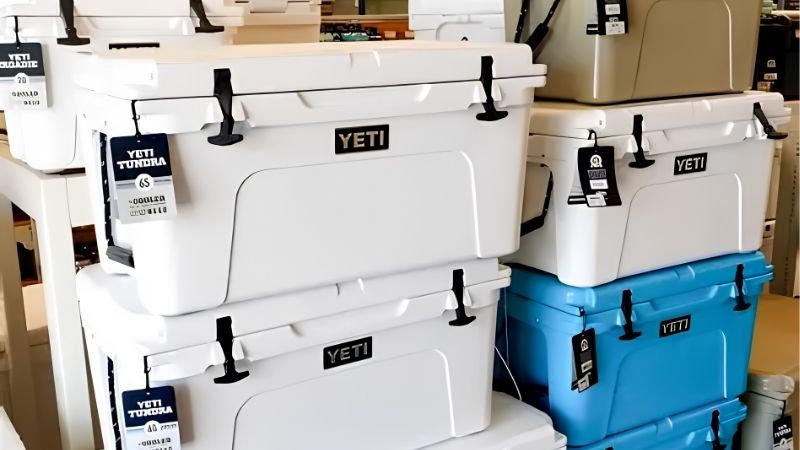
Match retention to your outings. A day-tripper needs only a few hours of cold, so a light cooler is plenty. A weekend camper wants two to three days, and a week-long trip calls for a rotomolded box that holds ice five days or more. Buying more retention than you need just adds weight and cost. A practical cooler buying guide always starts with trip length.
Remember that ice life is a range, not a promise. Pre-chilling, packing full, limiting lid openings, and staying in shade all stretch performance. A modest cooler used well can outlast a premium one that is half empty and baking in the sun, so habits matter as much as insulation.
Capacity and Portability
Size to your group and how you move the cooler. A personal cooler suits one, a 40-to-50-quart box fits a family weekend, and larger models serve groups. Thick insulation eats interior space, so a rugged cooler holds less than its bulky outside suggests, which is worth checking before you buy.
Weight decides whether you dread hauling it. A loaded rotomolded cooler may need two people, while wheels save your back over long distances. Any cooler buying guide worth following weighs portability against retention, since the toughest box is useless if it never leaves the garage because it is too heavy.
Budget and Durability
Spend where it counts. Budget coolers keep food cold for short trips at a fraction of the price, while premium rotomolded boxes justify their cost with years of durability and long ice life for frequent, demanding use. Be honest about how often you truly camp before paying top dollar.
Durability stretches your money over time. Reinforced hinges, sturdy latches, and a multi-year warranty separate coolers that last a decade from ones that crack after a season. A slightly pricier cooler that survives years of abuse often beats two cheap ones you replace along the way.
Top Picks: A Cooler for Every Use Case
With those factors in mind, this cooler buying guide lines up five strong options, each matched to a common use case. The table sums up the essentials, and the reviews below explain who each cooler suits and the trade-offs you should expect before you decide.
| Cooler | Type | Capacity | Ice Life | Best For |
|---|---|---|---|---|
| Yeti Roadie 24 | Rotomolded hard | ~24 qt | Multi-day | Day trips and personal use |
| RTIC Ultra-Light 52 | Hard, lightweight | ~49 qt | ~5-7 days | Lightweight mid-size |
| Igloo ECOCOOL | Injection hard | Varies | A few days | Eco-minded budget |
| Coleman Classic 65 Wheeled | Wheeled hard | ~65 qt | Up to ~5 days | Group day use |
| Engel 50 | Rotomolded hard | ~50 qt | Multi-day | Value rotomolded |
Yeti Roadie 24 – Best for Day Trips
For solo outings and day trips, the Yeti Roadie 24 packs premium performance into a grab-and-go size. It is tall enough for bottles standing up, holds ice impressively long for a small cooler, and its tough rotomolded build and comfortable handle make it easy to carry to the beach, the trailhead, or a picnic.
Its capacity is modest, so it is not the pick for a family weekend, and it costs more than a basic personal cooler. For one or two people who want serious cold in a portable package, though, it is a standout choice.
RTIC Ultra-Light 52 – Best Lightweight Mid-Size
The RTIC Ultra-Light 52 solves the biggest gripe with rotomolded coolers: weight. It holds around 49 quarts, keeps ice for the better part of a week, and stays genuinely light for its size, with rope handles that ride high so you avoid banging the box against your legs when carrying it.
Its lighter build trades a little ruggedness compared to the heaviest rotomolded boxes, and it is pricier than a budget cooler. For weekend campers who want strong retention without a back-breaking haul, though, it hits a sweet spot.
Igloo ECOCOOL – Best Eco Budget
The Igloo ECOCOOL is a wallet-friendly cooler made partly from recycled materials. It keeps food cold for a few days in good conditions, weighs little, comes in useful family sizes, and costs a small fraction of premium rotomolded boxes, making it a sensible pick for casual campers on a budget.
Its thinner walls cannot match a rotomolded cooler in extreme heat or rough handling, and the latches are basic. But for backyard use, short trips, and lake days, it delivers plenty of cold for the money with a lighter environmental footprint.
Coleman Classic 65 Wheeled – Best for Groups
For a family or group day at the lake, the Coleman Classic 65 Wheeled makes hauling painless. Its big interior swallows food and drinks for several people, sturdy wheels and a tow handle let one person move it fully loaded, and it keeps ice cold from morning until evening at an affordable price.
Its ice retention trails premium rotomolded boxes, and the wheels are less capable on sand or rocky ground. For rolling a big load a short distance to a campsite or beach, though, the convenience is hard to argue with.
Engel 50 – Best Value Rotomolded
The Engel 50 brings rotomolded toughness and long ice life at a friendlier price than the top premium names. Its thick insulation and tight gasket hold ice for days, the seamless body shrugs off abuse, and it delivers the kind of durable, dependable performance that hunters and anglers rely on.
It is heavy like all rotomolded coolers and still costs more than a basic budget box. But for buyers who want premium retention and long-term durability without paying the very top price, it is a smart middle-ground choice.
Frequently Asked Questions
A few questions come up again and again when people work through a cooler buying guide. Here are quick, practical answers to help you finalize your choice.
What size cooler do I need?
Plan on roughly a quart of capacity per person per day, plus room for ice at about a two-to-one ratio. A couple can manage with 25 to 35 quarts, while a family or longer trip wants 45 quarts or more. When unsure, size up slightly rather than running out of cold space.
Are rotomolded coolers worth the money?
For long trips, hot climates, or places far from ice, the extra retention and durability pay off over years of use. For occasional day trips near town, a quality budget cooler keeps food cold for far less and is easier to lift, so the premium mainly rewards frequent campers.
How do I make ice last longer?
Pre-chill the cooler and its contents, pack it full to reduce air, and use block ice or frozen bottles alongside cubes. Keep it shaded, limit how often you open the lid, and leave meltwater in until it turns lukewarm. Good habits can nearly double a cooler’s real ice life.
Should I get wheels on my cooler?
Wheels are a big help if you move a full cooler any real distance, especially over pavement or packed dirt. They add weight and bulk and struggle on soft sand or rocky trails. If you mostly carry a cooler a few steps from the car, a non-wheeled model is lighter and cheaper.
See More:
- Best camp chair
- Lightweight camp chair
- Camping table review
- Backpacking cookware set
- Camp stove review
Final Thoughts
The point of this cooler buying guide is simple: match the cooler to your trips, not to marketing claims. Day-trippers will love the Roadie 24, weekenders the light RTIC Ultra-Light 52, and budget shoppers the Igloo ECOCOOL, while the wheeled Coleman and value Engel cover groups and long trips. Weigh retention, size, and portability, then buy the cooler you will actually use.