
Key takeaways
Best emergency sleeping bag options weigh almost nothing yet could save your life, reflecting most of your body heat back when a hike runs long or the weather turns. Hypothermia can set in within hours even above freezing once wind and wet arrive, so a compact reflective bivvy in every kit is smart, cheap insurance.
Our top picks


As an Amazon Associate we earn from qualifying purchases at no extra cost to you.
As an Amazon Associate we earn from qualifying purchases.
🛒 Best Price Today on Amazon
Prime members get fast, free shipping on everything above, plus member-only deals. New members get a 30-day free trial — cancel anytime.
Start 30-Day Prime Free Trial →See Today’s Amazon DealsHow to Choose the Best Emergency Sleeping Bag
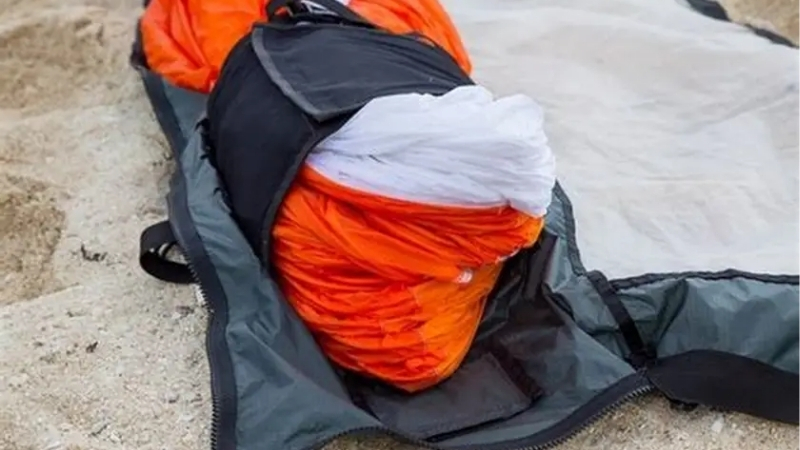
Emergency bivvies range from single-use heat reflectors to breathable bags you can actually sleep in, so the right one depends on your use. The best emergency sleeping bag matches heat retention, weight, and durability to whether you want a backup or a usable shelter, so weigh these factors first.
Heat Retention and Warmth
In the best emergency sleeping bag, heat reflection is the whole point. Quality emergency bivvies bounce back a large share of your radiated body heat, often around 90 percent, turning your own metabolism into a heater. Look for a sealed, bag-shaped design rather than a flat space blanket, since a bag encloses you fully instead of leaving gaps at every edge.
Remember what these bags do and do not do. They reflect existing heat but generate none, so they work best combined with ground insulation and dry clothing. A reflective bivvy can add meaningful warmth in a crisis, but it is a survival tool, not a substitute for a properly rated sleeping bag on a planned trip.
Weight, Packability, and Reusability
Weight and packed size decide whether the bag actually rides along. The lightest reflective bivvies weigh only a few ounces and pack to the size of a fist, so there is no excuse to leave one out of a day pack, glovebox, or bug-out bag. Ounces this small buy a lot of peace of mind.
Reusability separates a one-time backup from a repeatable shelter. Thin polyethylene bivvies are cheap and ultralight but tear and crinkle, suiting single emergencies, while breathable reflective fabrics cost more, resist condensation, and survive repeated use. Decide whether you want a disposable safety net or a bivvy you can rely on for multiple nights.
Breathability, Extras, and Value
Breathability is the hidden dealbreaker on longer stays. Non-breathable bivvies trap the moisture from your breath and sweat, eventually soaking you from the inside, which accelerates heat loss. A breathable, moisture-permeable design prevents that clammy buildup and is worth the premium if you might spend a full night in it.
Extras and value round out the choice. Bundled whistles, paracord drawstrings, and multi-packs add utility and let you stock several kits affordably, and buying now is smart since fabric prices have edged up with tariffs. For most people, keeping one bivvy in every bag and vehicle beats owning a single expensive one.
Top Picks for the Best Emergency Sleeping Bag
These best emergency sleeping bag picks span breathable overnight-capable bivvies, ultralight single-use backups, a multiuse blanket, and a value multi-pack, covering serious preppers and casual hikers alike. Each entry lists the ideal user and an honest drawback, with the table offering a quick weight, reuse, and use comparison first.
| Model | Approx. Weight | Reusable | Best For |
|---|---|---|---|
| SOL Escape Bivvy | ~8.5 oz | Yes, breathable | Overnight-capable |
| SOL Emergency Bivvy | ~3.8 oz | Limited | Ultralight backup |
| Go Time Gear Life Bivy | ~4.1 oz | Limited | Best value |
| Arcturus Survival Blanket | Heavier | Yes, rugged | Multiuse blanket/tarp |
| Swiss Safe 4-Pack | Very light | Single-use | Stocking many kits |
SOL Escape Bivvy
The SOL Escape Bivvy is the best overall pick and the one you can genuinely sleep in. Its breathable reflective fabric lets water vapor escape so you avoid the clammy condensation that ruins cheaper bivvies, making it usable as a standalone bag in mild conditions or a liner that adds warmth to an existing bag.
It costs more than basic bivvies and is heavier at around 8.5 ounces. Neither undercuts its value. For hikers and preppers who want a reusable, condensation-resistant bag that works for real overnights rather than just a one-time crisis, it is the gold-standard choice worth carrying.
SOL Emergency Bivvy
The SOL Emergency Bivvy is the ultralight backup that belongs in every kit. At roughly 3.8 ounces and fist-sized when packed, it reflects about 90 percent of your body heat in a sealed, tear-resistant polyethylene bag, providing immediate thermal protection with zero setup: climb in, close it up, and stabilize your core.
It is not breathable, so condensation builds on longer stays, and it lacks a hood and any real comfort. For its intended job, though, that hardly matters. As a cheap, tiny, life-saving backup for a day pack, glovebox, or bug-out bag, it is one of the highest-value items you can own.
Go Time Gear Life Bivy
The Life Bivy is the best-value pick, delivering strong heat retention plus a bundled whistle and paracord drawstring for a low price. That makes it a complete little emergency solution rather than just a shell, ideal for bug-out bags and get-home kits where you want extra utility packed into one lightweight item.
Like other budget bivvies, its mylar-style material crinkles loudly and traps condensation over long use, so limit sessions to a few hours. For anyone stocking multiple kits who wants proven heat retention and handy extras without spending much, though, it is the smartest buy on this list.
Arcturus Survival Blanket
The Arcturus Survival Blanket is the multiuse pick for those who want more than a body bag. Larger and more rugged than a bivvy, its reflective, grommeted design works as a heat-reflecting blanket, a ground tarp, an improvised shelter, or a signal, giving you flexible options in a durable, reusable package that survives repeated deployments.
It is heavier and bulkier than a packable bivvy and, being a blanket rather than a sealed bag, retains less heat around your whole body. For base camps, car kits, and anyone who values versatility and durability over minimum weight, though, it is a tough, do-many-things emergency layer.
Swiss Safe 4-Pack
The Swiss Safe 4-Pack is the pick for stocking multiple kits affordably. Bundling several reflective mylar emergency blankets or bags at a low per-unit cost, it lets you place one in every vehicle, day pack, and drawer, so warmth is always within reach for the whole family when the unexpected happens.
These thin single-use mylar layers are less durable and warm than premium reusable bivvies, and flat blankets seal heat less effectively than bag shapes. For blanketing your kits with cheap, ultralight backups, though, this value bundle is hard to beat and ensures nobody is ever caught without one.
Frequently Asked Questions
Shoppers tend to ask the same practical questions before buying the best emergency sleeping bag, mostly about how these work, sleeping in them, and where to keep them. Here are direct answers.
How does an emergency sleeping bag keep you warm?
It reflects a large share of your radiated body heat back to you, often around 90 percent, using a metallic reflective interior. The sealed bag shape encloses you so heat does not escape at the edges the way it does with a flat space blanket. It traps existing heat rather than generating any, so pair it with dry clothing.
Can you actually sleep in an emergency bivvy?
You can in a breathable model like the SOL Escape, which lets moisture escape and works as a mild-weather bag or liner. Cheaper non-breathable bivvies trap condensation and are only comfortable for a few hours, so they suit short crises rather than full nights. Add a pad and dry layers for any real sleep.
Where should I keep an emergency sleeping bag?
Everywhere you might need warmth: a day pack, your vehicle’s glovebox or trunk, a bug-out bag, and a home kit. They weigh only ounces and cost little, so stocking several is easy. Buying a multi-pack lets you place one in each location, ensuring you are never caught without thermal protection in a sudden emergency.
Is a bivvy better than a space blanket?
Generally yes. A bag-shaped bivvy encloses your whole body, sealing in heat that a flat space blanket lets escape at every gap, and it will not blow away in wind. Space blankets are cheaper and more versatile as tarps or signals, but for keeping a person warm, the bivvy’s enclosed shape is far more effective.
See More:
- Best hunting trekking poles
- Best headlamp Reddit
- Best headlamp for hard hats
- Best hard hat headlamp
- Best portable camping chair
Final Thoughts
The best emergency sleeping bag is the one matched to your use, from a breathable, reusable SOL Escape for real overnights to a fist-sized SOL Emergency Bivvy backup in every kit. Weigh heat retention against weight, breathability against price, and stock several while prices are fair, and the right emergency sleeping bag will be there when the cold catches you off guard.
Write Your Review
No reviews yet. Be the first to share your experience!