Key takeaways
- Buying by liters alone. A 50L pack with a short torso setting can fit very differently from another 50L pack. Confirm torso and hip-belt measurements first.
- Ignoring “+5L” expansion capacity. A 45+5L design typically has 45 liters in its main configuration plus up to 5 liters of extension space, often in the collar or top section. Treat it as a 45L pack for routine packing, not a permanently roomy 50L interior.
- Counting external pockets as guaranteed dry storage. Mesh pockets are excellent for water bottles, wet rain gear, and snacks, but they are not a substitute for protected main-compartment volume.
- Using a daypack for a full overnight load. A 20L to 28L daypack may fit minimal gear but often lacks a structured hip belt and load lifters. That becomes uncomfortable with 20-plus pounds.
- Choosing a tall pack for a short torso. If the hip belt cannot sit on your hip bones while shoulder straps wrap smoothly over your shoulders, the pack is the wrong fit regardless of its capacity.
- Forgetting food and water. One night of food may take 1 to 2 liters of space, while water adds significant weight. Plan for both before deciding a smaller pack will work.
The Short Answer
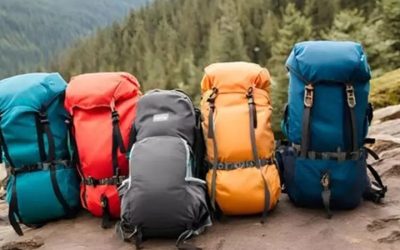
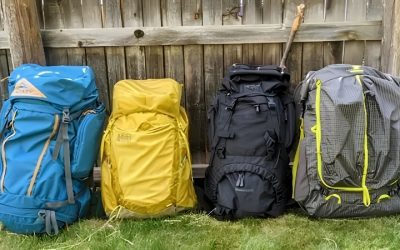
For most one-night hikes, a 35L to 45L backpack is the practical sweet spot. It holds a compact shelter, sleeping bag or quilt, sleeping pad, food, water, extra layers, rain gear, and basic safety supplies without encouraging unnecessary packing. If you use bulky, budget-friendly, or cold-weather gear, move up to 45L to 55L.
Choose by gear volume and torso fit, not just trip length. An experienced hiker with a down quilt, compact tent, and dehydrated food may be comfortable at 30L to 38L. A newer hiker carrying a synthetic sleeping bag, larger tent, cook kit, and extra clothing will usually be happier with 45L to 50L.
Our top picks
 WoneNice 50L
- Recommended Uses For Product: Travel
- Strap Type: Adjustable
- Compatible Device Size Maximum: 23.6 Inches
 Loowoko 50L Hiking Backpack with Rain Cover
- this uses AUI list/listitem elements in desktop
- Care instructions Machine Wash
- this is where AUI list/listitem elements in desktop…
| Product | Key specs | Amazon rating | |
|---|---|---|---|
 Maelstrom 40L Hiking Backpack Maelstrom 40L Hiking Backpack | – | Check price | |
| WoneNice 50L | Recommended Uses For Product: Travel Strap Type: Adjustable Compatible Device Size Maximum: 23.6 Inches | 4.6★ | Check price |
| Loowoko 50L Hiking Backpack with Rain Cover | this uses AUI list/listitem elements in desktop Care instructions Machine Wash this is where AUI list/listitem elements in desktop… | 4.5★ | Check price |
 WoneNice 50L WoneNice 50L | Recommended Uses For Product: Sport, Travel, Hiking Strap Type: Adjustable Compatible Device Size Maximum: 23.6 Inches | 4.6★ | Check price |
As an Amazon Associate we earn from qualifying purchases at no extra cost to you. Ratings are shown as listed on Amazon.
For a typical three-season overnight trip, aim for a loaded pack weight of roughly 20 to 30 pounds, including food and water. A 40L pack such as the Maelstrom 40L model can suit lightweight overnight setups, while 50L options such as the WoneNice 45+5L or Loowoko 50L packs give beginners more room for bulkier essentials. These budget-oriented examples commonly fall around $36 to $53; check the suspension, torso adjustment, and usable pocket layout as carefully as the stated liter capacity.
Standard Sizes
Backpack liters describe internal carrying capacity, while exterior measurements tell you how much physical space the pack takes up. Dimensions vary by brand, frame design, and whether the top lid is extended, but the ranges below are useful for comparing overnight hiking packs.
| Pack Size | Best For | Typical Exterior Dimensions | Typical Loaded Weight | What It Usually Holds |
|---|---|---|---|---|
| 25L–35L | Minimalist overnight trips, warm weather, very compact gear | 20–24 in. H × 11–13 in. W × 7–9 in. D 51–61 cm × 28–33 cm × 18–23 cm |
15–22 lb. | Compact sleep system, small shelter, food, water, layers, essentials |
| 35L–45L | Most three-season overnight hikes | 23–27 in. H × 12–14 in. W × 8–10 in. D 58–69 cm × 30–36 cm × 20–25 cm |
20–30 lb. | One-person tent, sleeping bag, pad, cook kit, food, clothing, rain gear |
| 45L–55L | Beginners, bulky gear, shared gear, cool-weather overnights | 25–30 in. H × 13–15 in. W × 9–11 in. D 64–76 cm × 33–38 cm × 23–28 cm |
25–38 lb. | Bulkier sleep system, tent, extra insulation, larger food carry, camp comforts |
| 55L–65L | Winter overnights, family gear carrying, multi-day flexibility | 28–33 in. H × 14–16 in. W × 10–12 in. D 71–84 cm × 36–41 cm × 25–30 cm |
30–45 lb. | Cold-weather insulation, larger shelter, extra fuel, more food, shared equipment |
For an ordinary overnight in mild conditions, do not assume larger is safer. A 60L pack may leave room for items you do not need, increasing weight and making the load harder to stabilize. Conversely, a 30L pack can become frustrating if your sleeping bag alone consumes half the available volume.
How to Measure Your Space
Before buying, measure both your body and your packed gear. A backpack that technically holds everything but does not fit your torso will be uncomfortable long before you reach camp.
- Measure your torso length. Tilt your head forward and find the bony bump at the base of your neck, called the C7 vertebra. Place your hands on the top of your hip bones, with thumbs pointing toward your spine. Measure from C7 to the point between your thumbs. Many adult packs fit torsos roughly 16 to 22 inches (41 to 56 cm), but use the manufacturer’s specific fit range.
- Measure hip circumference. Run a tape around the top of your hip bones, not around your natural waist. A supportive hip belt should wrap comfortably with several inches of adjustment left in either direction. For overnight loads above about 20 pounds, a padded hip belt matters more than thick shoulder straps.
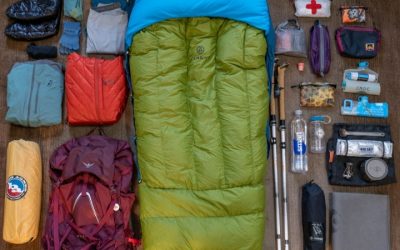
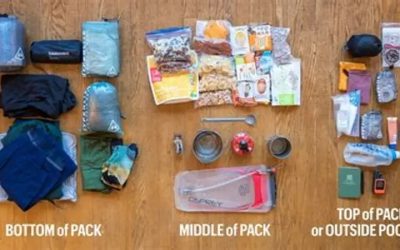
- Lay out every overnight item. Include shelter, sleeping bag or quilt, pad, pillow, food, water bottles or reservoir, stove and fuel, cookware, headlamp, first-aid kit, navigation, toiletries, insulation layer, and rain shell. Do not forget the packed size of tent poles and a foam pad.
- Check the bulkiest items first. Sleeping bags, tents, and insulated jackets consume more space than small accessories. Put these into a cardboard box or reusable tote if you want a quick visual estimate. A container measuring 24 × 14 × 10 inches equals about 55 liters, though its square shape is less efficient than a backpack.
- Allow 15% to 20% spare capacity. You need room for food wrappers, damp layers, a rain shell you remove during climbing, and imperfect packing at the trailhead. A tightly stuffed pack is difficult to use and may strain zippers.
- Test-pack before removing tags. Load the pack with your actual gear, then walk for 20 to 30 minutes. The hip belt should carry most of the weight, the shoulder straps should lie flat without pinching, and the pack should not sway when you turn.
By Room or Use Case
Lightweight Summer Overnight: 30L to 40L
A 30L to 40L backpack works when temperatures are warm and your equipment packs small. This is the right range for hikers using a compressible down quilt, inflatable pad, compact one-person tent or tarp, and simple dehydrated meals. Keep water requirements in mind: carrying 3 liters of water adds about 6.6 pounds, even though it takes relatively little pack volume.
This size is best for hikers who already know how to pack efficiently. A 40L pack offers a little more margin than a 30L model and is often the safer first purchase for summer overnights.
Typical Three-Season Overnight: 40L to 50L
For most people, this is the most useful range. A 40L to 50L backpack accommodates a standard one- or two-person backpacking tent, sleeping bag, pad, stove, one day of food, weather layers, and the ten essentials. It also leaves enough room to store a rain jacket inside during sustained rain rather than relying on exterior straps.
If you are deciding between 40L and 50L, choose 40L when your gear is already compact and you prefer a disciplined packing list. Choose 50L if you are buying your first overnight pack, use a synthetic sleeping bag, carry camera equipment, or may share tent components with a hiking partner.
Cool Weather or Bulky Gear: 50L to 55L
Choose 50L to 55L for shoulder-season conditions, especially when nighttime temperatures approach freezing. A warmer sleeping bag, insulated jacket, gloves, beanie, thicker socks, and extra fuel can quickly occupy the difference between a 40L and 50L pack.
This range is also sensible for people with less-compressible gear. A 50L pack is not automatically too large for one night; it is a practical choice when the gear list requires it. Use compression straps to keep the load close to your back and prevent shifting.
Winter, Family, or Shared Equipment: 55L to 65L
For a true winter overnight, 55L to 65L is often appropriate. Cold-weather sleep systems, heavier shelter, traction gear, more fuel, and extra food all add bulk. The same range can help an adult carrying shared equipment for a child or a partner, such as a larger tent, extra water treatment, or group cookware.
Do not use this size merely to pack luxury items. A large, overloaded pack can exceed the comfort of its suspension system and turn an easy overnight into a tiring carry.
Common Sizing Mistakes
- Buying by liters alone. A 50L pack with a short torso setting can fit very differently from another 50L pack. Confirm torso and hip-belt measurements first.
- Ignoring “+5L” expansion capacity. A 45+5L design typically has 45 liters in its main configuration plus up to 5 liters of extension space, often in the collar or top section. Treat it as a 45L pack for routine packing, not a permanently roomy 50L interior.
- Counting external pockets as guaranteed dry storage. Mesh pockets are excellent for water bottles, wet rain gear, and snacks, but they are not a substitute for protected main-compartment volume.
- Using a daypack for a full overnight load. A 20L to 28L daypack may fit minimal gear but often lacks a structured hip belt and load lifters. That becomes uncomfortable with 20-plus pounds.
- Choosing a tall pack for a short torso. If the hip belt cannot sit on your hip bones while shoulder straps wrap smoothly over your shoulders, the pack is the wrong fit regardless of its capacity.
- Forgetting food and water. One night of food may take 1 to 2 liters of space, while water adds significant weight. Plan for both before deciding a smaller pack will work.
FAQ
Is a 40L backpack big enough for an overnight hike?
Yes, a 40L backpack is big enough for many three-season overnight hikes. It is especially suitable if you have a compact sleeping bag or quilt, inflatable pad, and small shelter. If your gear is bulky or temperatures will be cold, a 45L to 50L pack gives more comfortable packing room.
Should beginners buy a 50L backpack for one night?
Usually, yes. A 50L pack is a forgiving size for beginners because entry-level gear often takes up more room. It leaves space for a synthetic sleeping bag, standard tent, rain layers, food, and a small margin for packing mistakes without forcing you into an oversized expedition pack.
How heavy should an overnight hiking backpack be?
A typical loaded overnight pack weighs about 20 to 30 pounds, including water and food. Lightweight hikers may carry less than 20 pounds, while cold-weather, shared-gear, or water-heavy trips can exceed 30 pounds. Fit the pack with weight inside it; an empty-store test is not enough.
Can I use a 60L backpack for one overnight hike?
You can, particularly for winter conditions or bulky equipment, but it is more capacity than most mild-weather overnight trips need. If you use a 60L pack, tighten the side compression straps and keep heavy items close to your back so the load does not shift. For standard three-season use, 40L to 50L is generally easier to manage.