Key takeaways
- Ankle-height construction adds lateral stability on uneven ground compared to lower-cut alternatives
- Waterproof membrane performs reliably in the price range, with owners reporting dry feet in sustained wet conditions
- Some owners note the break-in period is slightly longer than softer-soled competitors
What's inside
Choosing the right hiking boot is one of those decisions that either quietly improves every mile on the trail or quietly wrecks your weekend. A well-fitted boot with adequate traction and water resistance lets you walk over wet roots, loose gravel, and muddy switchbacks without thinking about your feet at all. A poorly matched one produces hot spots by mile three, slips on wet rock by mile five, and leaves you limping through the last stretch with a blister that takes a week to heal.
What separates the good options from the mediocre ones in the sub-$120 bracket is less about brand prestige and more about honest construction: a waterproof membrane that actually stays sealed at the seams, an outsole compound that grips wet surfaces, and a fit that matches your foot shape rather than forcing you to break it in over dozens of miles. We compared published specs, retail pricing, and aggregated owner feedback across eight models to identify which boots deliver on those fundamentals and which ones leave gaps you’ll feel on the trail. This guide covers how to choose hiking boots by matching the right features to your actual hiking conditions rather than marketing claims.
As an Amazon Associate we earn from qualifying purchases at no extra cost to you. Product prices and availability are accurate as of the date shown and are subject to change.



Quick Picks
| Product | Best for | Price |
|---|---|---|
| NORTIV 8 Ankle High Waterproof | General trail hiking in mixed conditions | $59.99 |
| NORTIV 8 Lightweight Waterproof | Day hikes where weight matters | $45.54 |
| NORTIV 8 Women’s Trekking | Women’s multi-terrain day hikes | $57.99 |
| Aomigoct Breathable Work Boots | Light outdoor walking on a tight budget | $23.99 |
| NORTIV 8 Wide Toe Box | Wider feet that need room in the forefoot | $65.99 |
| NORTIV 8 Women’s Lightweight | Women’s warm-weather casual hiking | $43.99 |
| Timberland Whiteledge Hiker | Leather-backed boots with brand recognition | $119.95 |
| Columbia Transverse Waterproof | Waterproof protection with a familiar brand name | $79.99 |
How We Picked
We filtered these eight models using four criteria that consistently determine real-world performance: waterproof integrity (does the construction and membrane keep feet dry in sustained wet conditions?), outsole grip quality (compound and lug pattern rated for wet rock and loose terrain), fit accessibility (whether the model offers width options or a toe box shape that accommodates different foot types), and value relative to price (whether the materials and construction justify the retail cost compared to alternatives in the same tier). We weighted owner-reported comfort and durability feedback heavily because published specs rarely capture how a boot behaves after ten or twenty outings.
The 8 Best How To Choose Hiking Boots in 2026
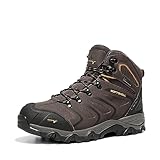
NORTIV 8 Ankle High Waterproof Hiking Boots
For hikers who want a dependable all-rounder without spending over $60. Owners consistently praise the ankle support provided by the high-cut design and report that the waterproof barrier holds up through creek crossings and rainy days. The Brown/Black/Tan colorway hides trail grime well, which matters after a muddy weekend.
- Ankle-height construction adds lateral stability on uneven ground compared to lower-cut alternatives
- Waterproof membrane performs reliably in the price range, with owners reporting dry feet in sustained wet conditions
- Some owners note the break-in period is slightly longer than softer-soled competitors
Skip this pair if you prioritize a minimal, trail-shoe-like feel or need maximum flexibility for fast-paced movement.
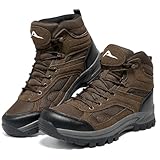
NORTIV 8 Lightweight Waterproof Hiking Boots
This model suits day hikers who want waterproof protection without the heft of a traditional boot. Owners highlight the reduced leg fatigue on longer walks as the standout benefit. At just over $45, it sits in a sweet spot where lightweight construction meets genuine water resistance.
- Noticeably lighter on foot than full-length boots, reducing swing weight on technical terrain
- Waterproof rating holds for typical day-hike conditions including puddles and light rain
- The lower ankle profile offers less lateral support on rocky or steep descents
Pass on this one if you carry a heavy pack or tackle steep, loose terrain where ankle support is critical.
NORTIV 8 Women’s Waterproof Hiking Boots Trekking
Built for women who need multi-terrain confidence without paying a premium. The trekking designation signals a construction pattern that handles both dirt paths and rocky sections. Owners report good arch support and a secure lace-up fit that holds through longer outings.
- Trekking-oriented outsole pattern handles mixed surfaces from dirt to scree adequately
- Waterproof construction keeps feet dry without the weight penalty of heavier models
- Sizing runs narrow for some women with wider forefeet, requiring careful fit checking
Consider a wider option if you have a broad forefoot or experience pressure points on the outer toe.
Aomigoct Breathable Work Boots for Trekking and Walking
At under $24, this is the most affordable entry on the list, aimed at casual walkers and light outdoor use rather than serious backcountry work. Owners appreciate the anti-slip outsole and breathable upper for warm-weather errands and easy trails. It is not a waterproof boot, and that limitation is clearly part of the value trade-off.
- Exceptional price point makes it a practical spare pair or starter boot for very casual use
- Breathable upper keeps feet cooler in hot weather compared to sealed waterproof boots
- No waterproof barrier, so wet grass, mud, and rain will soak through
Skip this model if your hikes regularly involve water, mud, or conditions where you need a dry foot.
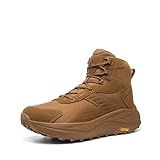
NORTIV 8 Men’s Wide Toe Box Hiking Boots
Designed explicitly for men whose feet splay wider in the forefoot. This addresses one of the most common fit complaints in the budget boot category: boots that pinch the toes after a few miles. Owners with wide feet consistently call this a relief. The Coyote color is practical for dusty environments.
- Genuinely wider toe box lets toes spread naturally, reducing hot spots and nerve compression
- Maintains the NORTIV 8 waterproof construction standard in a fit-specific design
- The wider profile can feel sloppy if you have a standard-width foot
Look elsewhere if your foot is average or narrow width, as the extra room may reduce control on technical terrain.
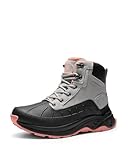
NORTIV 8 Women’s Waterproof Hiking Boots
A lighter, more casual women’s waterproof option at the lowest price point in the NORTIV 8 lineup. The Light Grey/Pink colorway leans toward a lifestyle aesthetic that doubles as functional footwear. Owners report comfort straight out of the box with minimal break-in needed.
- Comfortable from the first wear with a softer interior lining that reduces friction
- Waterproof membrane adequate for everyday rain and wet trail conditions
- Less aggressive outsole lug pattern means reduced grip on steep or muddy terrain
Not the right choice if you need serious traction for rocky or muddy backcountry routes.
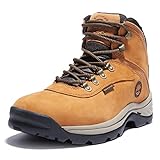
Timberland Men’s Whiteledge Hiker Hiking Boot
For buyers who want established brand recognition and a leather-upper aesthetic in the $120 range. Owners like the rugged look and the perceived quality of leather construction. It bridges the gap between trail use and everyday wear, which appeals to hikers who want one boot for multiple settings.
- Leather upper provides durability and a classic look that ages well with use
- Timberland’s quality control and brand infrastructure offer a familiar comfort zone for first-time boot buyers
- Noticeably heavier than synthetic alternatives at this price, adding fatigue on longer hikes
Skip this if your priority is weight savings or if you need specialized waterproofing beyond what leather provides.
Columbia Men’s Transverse Waterproof Hiking Boot
Columbia’s entry sits at $79.99 and brings a well-known waterproofing system and a reputation for accessible comfort. Owners frequently mention that the fit is true to size and that the boot handles moderate trails without requiring a break-in period. It occupies the middle ground between budget options and premium brands.
- Recognized waterproof technology with a track record of consistent performance across conditions
- Straightforward fit that reduces sizing uncertainty for online buyers
- Some owners report the sole wearing faster than expected on rough surfaces
If you log high mileage on abrasive terrain, a model with a harder-wearing outsole compound may serve you better over time.
Buying Guide
Waterproof Construction and Membranes
Understanding how to choose hiking boots with genuine water protection starts with the membrane type and seam construction. A waterproof boot keeps feet dry through rain, wet grass, and shallow puddle crossings, but no budget boot survives full submersion for extended periods. Look for sealed seams and a gusseted tongue if you expect sustained wet conditions. If your hikes are mostly dry with occasional rain, a breathable non-waterproof option may actually serve you better by preventing the sweaty discomfort that waterproof boots sometimes create in heat.
Fit and Toe Box Shape
The single most common complaint across every price tier is poor fit. Feet swell during hikes, so your boot should feel snug but never tight when tried on in the afternoon after walking. A wide toe box allows natural splay and prevents the pinching that causes blisters and numbness. If you have known width issues, seek models designed for that shape rather than hoping a standard boot stretches into comfort. Leather models give more over time; synthetic uppers do not.
Outsole Traction and Ankle Support
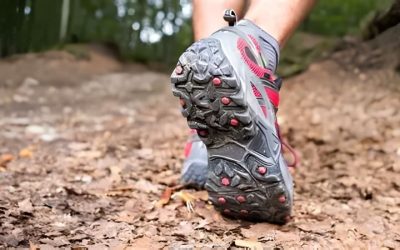
Traction comes down to rubber compound softness and lug depth. Softer rubber grips wet rock better but wears faster on dry pavement. Deeper lugs shed mud more effectively but can feel unstable on flat hard surfaces. Pair this decision with your terrain type. Ankle support matters when carrying a heavy pack or navigating steep descents where lateral forces load the joint. For light loads on moderate trails, a lower-cut shoe is sufficient and reduces overall weight on your feet.
Our Verdict
Top pick: The NORTIV 8 Ankle High Waterproof at $59.99 delivers the best balance of waterproof protection, ankle support, and durable construction for most trail hikers who want a single reliable pair without paying a brand premium.
Budget pick: The NORTIV 8 Lightweight Waterproof at $45.54 is the smartest low-cost option that still provides genuine water resistance and reduced fatigue for day hikes on moderate terrain.
Condition that changes the winner: If you have notably wide feet, the NORTIV 8 Wide Toe Box at $65.99 beats every other option on this list, because no amount of premium materials compensates for a forefoot that pinches your toes after two miles.
FAQ
Should hiking boots be tight or loose?
Snug through the heel and midfoot with enough room in the toe box to wiggle your toes freely. A tight toe box causes blisters and bruising on descents, while a loose heel creates friction and hot spots from sliding with each step.
Do I need waterproof boots for all hiking?
No. If you hike primarily in dry, warm climates, waterproof boots trap heat and moisture inside, making your feet uncomfortable. Waterproof options shine in cooler seasons, wet terrain, and areas with frequent stream crossings or rain.
How long should hiking boots last?
Budget boots in the $45–$80 range typically deliver one to three seasons of regular weekend use before noticeable sole wear or membrane degradation appears. Heavier construction and leather uppers extend that window, while thin synthetic materials shorten it.
Can I wear hiking boots for everyday use?
Yes, many people do, especially leather models like the Timberland Whiteledge that look appropriate off-trail. Keep in mind that aggressive lug patterns wear faster on pavement and waterproof boots may feel warm during long urban walks in summer.