
Key takeaways
What's inside
Best rated camping tent picks balance livable space, weather protection, and easy setup so your basecamp feels like home. This guide compares five family-friendly shelters — from budget domes to 60-second instant cabins and a crossover backpacking model — with real peak heights and weights so you match the right tent to your group and campsite.
As an Amazon Associate we earn from qualifying purchases at no extra cost to you. Product prices and availability are accurate as of the date shown and are subject to change.


As an Amazon Associate we earn from qualifying purchases at no extra cost to you. Product prices and availability are accurate as of the date shown and are subject to change.
🛒 Best Price Today on Amazon
Prime members get fast, free shipping on everything above, plus member-only deals. New members get a 30-day free trial — cancel anytime.
How to Choose the Right Camping Tent
Choosing the best rated camping tent for your crew means weighing four things: how much livable space you truly need, its weather and season rating, how quickly it pitches, and how durable it is. Get those right for your typical trip and setup night stops being a chore.
Capacity and Livable Space
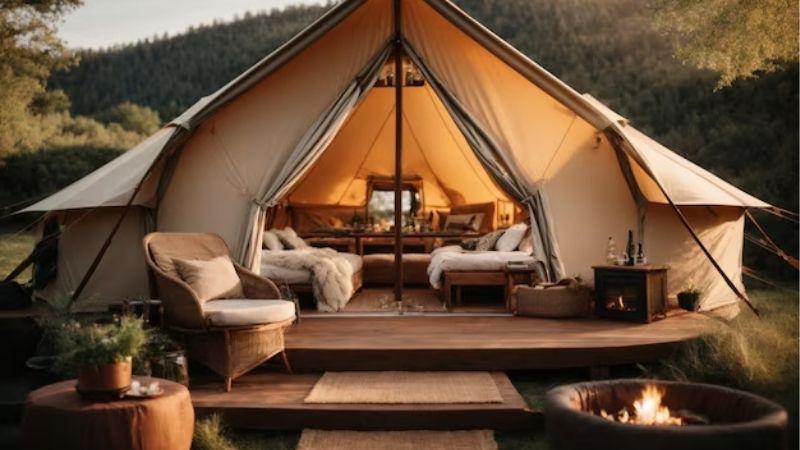
Manufacturer capacity assumes a tight fit with no room for gear or dogs, so most families size up one or two people beyond their number for comfort. A four-person tent that sleeps two adults, two kids, and a duffel with breathing room is a happier tent.
Peak height and wall angle matter as much as floor area. Near-vertical cabin walls make a tent feel far larger than sloped-wall domes of the same square footage, and a tall peak lets you stand to change clothes. Check both numbers, not just the person rating.
Weather and Season Rating
Three-season tents suit spring through fall, with ample mesh for airflow and a rainfly that handles typical downpours. They’re the right pick for most campers who avoid harsh weather.
A full-coverage rainfly, a bathtub floor, and taped seams keep you dry in real rain, while a lower, dome-like profile sheds wind better than tall cabin walls. If you camp in exposed or gusty spots, prioritize a wind-worthy shape over maximum headroom.
Setup Ease
Classic dome tents thread two poles through sleeves or clips and are inexpensive, but they take longer and can be fiddly solo. Pre-attached-pole designs cut setup to a few minutes, and instant cabin tents pop up in around a minute.
Faster setups usually pack down bulkier and cost more, so weigh convenience against trunk space. If you arrive late or camp often, quick pitching is worth paying for; if you camp rarely, a simple dome saves money.
Durability
Aluminum poles are lighter and springier than fiberglass, which cracks and splinters more easily under wind load. Higher-denier floor and fly fabrics resist punctures and abrasion, and reinforced stress points add years of life.
A footprint or ground tarp protects the floor from rocks and roots, extending the tent’s lifespan cheaply. For frequent campers, spending up on poles and fabric pays off over many seasons.
Top Picks: The Best Rated Camping Tents
These five of the best rated camping tent options span budget domes, instant cabins, and a crossover model, each earning its spot on real campsite performance. The table sums up the key specs, and the write-ups below cover who each tent suits and the honest drawbacks to weigh first.
| Tent | Capacity | Setup | Best For | Price Tier |
|---|---|---|---|---|
| Coleman Sundome | 2–6P | Classic dome | Budget bestseller | Budget |
| Coleman Skydome | 4–8P | Pre-attached poles | Easy setup + headroom | Budget |
| Kelty Discovery Basecamp 6 | 6P | Two-pole X-dome | Value family | Mid |
| CORE 6P Instant Cabin | 6P | Instant (~60 sec) | Roomy quick pitch | Mid |
| Marmot Tungsten 4P | 4P | Freestanding poles | Camp + backpack crossover | Premium |
Coleman Sundome — Best Budget Bestseller
The Sundome is the classic entry point to car camping and a perennial bestseller. It’s a simple dome with a WeatherTec welded floor and inverted seams to keep ground moisture out, a rainfly for showers, and enough room in the 4- and 6-person sizes for a small family. At its price, it’s the easiest tent to recommend to first-timers.
It’s basic: the vestibule is minimal, ventilation can lead to condensation on cool nights, and the materials are entry-level. But for occasional fair-weather campers who want a proven, affordable roof over their heads, the Sundome delivers exactly what it promises.
Coleman Skydome — Best Easy Setup with Headroom
The Skydome improves on the classic dome with pre-attached poles that cut pitching to roughly five minutes and a taller, more vertical shape that adds real headroom and floor usability. Available in larger family sizes, it’s a comfortable step up for campers who want quicker setup and more room to move without jumping to a premium brand.
It packs down bulkier than a simple dome and still uses big-box materials rather than technical fabrics. For weekend family camping where fast setup and headroom matter more than expedition durability, it’s a strong value among the best rated camping tent options.
Kelty Discovery Basecamp 6 — Best Value Family Tent
A true six-person tent under a family budget, the Discovery Basecamp 6 weighs under 14 pounds packaged, stands about 68 inches at the peak, and uses a two-pole X-dome that sheds wind better than boxier shapes. Testers have fit a family of six inside and watched it shrug off a couple of inches of overnight rain, and one person can pitch it without help.
It’s deliberately simple, so you give up some bells and whistles, and the door zipper can occasionally snag on the fabric. For families who want dependable space and weather protection without overspending, it’s one of the best rated camping tent values around.
CORE 6-Person Instant Cabin — Best Roomy Quick Pitch
The CORE Instant Cabin pops up in about a minute thanks to pre-attached telescoping poles, and its near-vertical cabin walls create genuinely roomy, usable interior space with headroom to spare. A room divider and generous floor make it a favorite for families who want a fast, livable basecamp with minimal fuss.
The tall cabin shape catches wind more than a low dome, and the tent is heavy and bulky packed. But for campground trips in fair to moderate weather where speed and interior room top the list, the instant setup is hard to beat.
Marmot Tungsten 4P — Best Camp-and-Backpack Crossover
The Tungsten 4P bridges car camping and backpacking. Quality aluminum poles, careful seam sealing, and reinforced stress points make it one of the more durable shelters in its class, and it’s freestanding, weather-worthy, and light enough to split among a group for the occasional overnight trek. Inside, it fits four standard 20-inch pads side by side.
It’s smaller and pricier than dedicated family tents, so it’s not the roomiest campground option. But for campers who want one tough tent that can car camp on weekends and backpack when needed, the versatility and build quality justify the premium.
Frequently Asked Questions
A few questions come up again and again when campers shop for the best rated camping tent. Here are quick, practical answers to help you decide.
What size tent does a family need?
Size up one or two people beyond your group for gear and comfort. A family of four is happiest in a five- or six-person tent, especially with kids, dogs, and duffels. Prioritize peak height and vertical walls for livability.
Are camping tents waterproof?
Most quality tents handle typical rain thanks to a coated fly and bathtub floor, but seams and cheap fabrics can leak in heavy storms. Seam-seal if needed, use a footprint, and pitch the fly taut for the best protection.
How do I reduce condensation inside a tent?
Open vents and windows to keep air moving, avoid overcrowding, and don’t cook or store wet gear inside. Condensation is moisture from breath and ground, not always a leak, so ventilation is the main fix.
Aluminum or fiberglass poles?
Aluminum poles are lighter, springier, and far more durable in wind, while fiberglass is cheaper but cracks more easily. If you camp in exposed or gusty areas or want the tent to last, choose aluminum poles.
See More:
- Best daypacks for hiking
- Best hiking sneakers men
- Best backpack for hike
- Best backpack for carry on
- Best travel backpack for men
Final Thoughts
The best rated camping tent for you depends on your group size, your weather, and how fast you want to pitch. Grab the Coleman Sundome on a budget, the Skydome for easy setup with headroom, the Kelty Discovery Basecamp 6 for value family space, the CORE Instant Cabin for a roomy quick pitch, and the Marmot Tungsten 4P for camp-and-backpack versatility — and buying ahead of peak-season price bumps is the smart move.




Write Your Review
No reviews yet. Be the first to share your experience!