
Key takeaways
What's inside
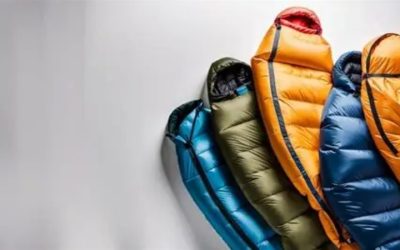
Best rated sleeping bag choices come down to matching temperature rating, insulation type, and shape to how and where you camp. This guide compares five field-tested bags — down and synthetic, budget to premium, backpacking to car camping — with real ISO ratings and weights so you stay warm without overpaying or overpacking on your next trip.
As an Amazon Associate we earn from qualifying purchases.
As an Amazon Associate we earn from qualifying purchases at no extra cost to you. Product prices and availability are accurate as of the date shown and are subject to change.


🛒 Best Price Today on Amazon
Prime members get fast, free shipping on everything above, plus member-only deals. New members get a 30-day free trial — cancel anytime.
How to Choose the Right Sleeping Bag
Finding the best rated sleeping bag for your needs means weighing four factors: the temperature rating, whether you want down or synthetic fill, the shape and fit, and how much weight and pack space you can spare. Get those right for your climate and camping style, and cold nights stop being something you dread.
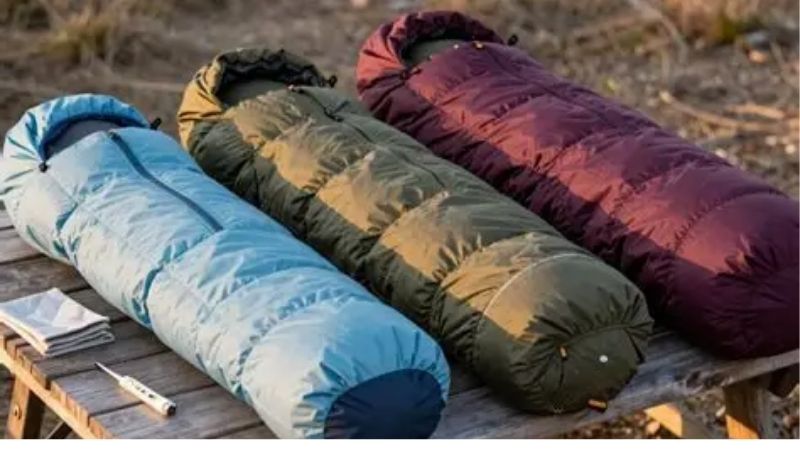
Temperature Rating
Modern bags use ISO/EN ratings with a comfort figure (the temperature a cold sleeper stays warm at) and a lower limit (for a warm sleeper). Buy to the comfort rating, not the survival number, and pick a bag rated about 10 to 15 degrees below the coldest night you expect.
For summer camping above 50°F, a 40°F bag is plenty. For general three-season use, a 20°F to 30°F bag covers most trips, and for winter you’ll want a 0°F bag or lower. Ratings assume you’re using an insulated pad, so don’t skip that piece.
Down vs Synthetic Insulation
Down offers the best warmth-to-weight ratio and packs down smallest, and with proper care it can last well over a decade. Its weaknesses are price and wet performance, since down loses loft when soaked unless it’s treated.
Synthetic fill is cheaper, keeps insulating even when damp, and dries fast, which makes it ideal for humid climates, canoe trips, and beginners. The trade-offs are more weight and bulk for the same warmth. Choose down for weight-conscious backpacking, synthetic for wet conditions and budgets.
Shape and Fit
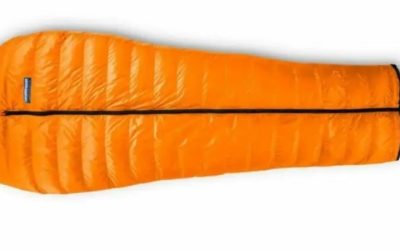
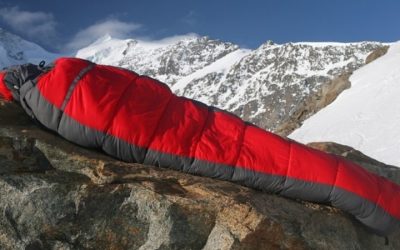
Mummy bags taper to the feet and add a hood, minimizing dead air so they’re the warmest and lightest option for backpacking. The trade-off is a snugger feel that some sleepers find confining, especially at the shoulders.
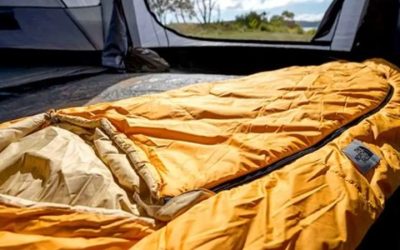
Semi-rectangular and rectangular bags give you room to roll and bend your knees, which side sleepers appreciate, at the cost of thermal efficiency. Double-wide bags let couples share warmth for car camping. Match the shape to how you actually sleep.
Weight and Packability
For car camping, weight barely matters, so prioritize comfort and warmth. For backpacking, every ounce and liter counts, so a compressible down bag or a light synthetic earns its keep.
Check the packed size and whether a compression sack is included, since that alone can cost extra. A bag that swallows half your pack changes what else you can carry, so balance warmth against the space you have.
Top Picks: The Best Rated Sleeping Bags
These five of the best rated sleeping bag options cover budget car camping through premium three-season backpacking, each earning its spot on real cold-night performance. The table sums up the key numbers, and the write-ups below explain who each bag suits and the honest drawbacks to weigh.
| Bag | Rating | Insulation | Best For | Price Tier |
|---|---|---|---|---|
| Kelty Cosmic Down 20 | ~21°F limit | 550-fill down | Value backpacking | Mid |
| NEMO Forte 20 | 20°F | Recycled synthetic | Side sleepers | Mid |
| Marmot Trestles Elite Eco 30 | 32°F | Recycled synthetic | Warm-weather / wet | Mid |
| TETON Sports LEEF Mummy | 0–20°F | Synthetic | Budget buyers | Budget |
| Kelty Tru.Comfort Doublewide 20 | 20°F | Synthetic | Couples / car camping | Premium |
Kelty Cosmic Down 20 — Best Value Down
The Cosmic Down 20 is the bag that made down affordable for three-season backpackers. It uses 550-fill-power RDS-certified down with a PFAS-free water-repellent treatment, a full draft tube and collar to seal in warmth, and its ISO limit rating of around 21°F has proven accurate in testing. It packs smaller than synthetic rivals and hits a price most campers can stomach.
The mummy cut runs snug at the shoulders, so broad-shouldered or restless sleepers may want to size up to the long version. And because it’s lower-fill-power down, it’s a little heavier than premium bags at the same rating. For a first down bag, it’s one of the best rated sleeping bag values going.
NEMO Forte 20 — Best for Side Sleepers
The Forte 20 solves the classic complaint that mummy bags feel like a straitjacket. Its spoon shape flares at the elbows and knees so side sleepers can bend and shift, and Thermo Gills let you dump heat on warmer nights without unzipping and letting in a draft. The 20°F synthetic fill is fully recycled and keeps working if it gets damp.
At around 3 pounds 7 ounces for the regular, it’s bulkier and heavier than a comparable down bag, and the roomy fit means you generate a bit more air to heat. For side sleepers and anyone who hates feeling constricted, though, the comfort payoff is real.
Marmot Trestles Elite Eco 30 — Best Warm-Weather Synthetic
The Trestles Elite Eco 30 is a standout three-season synthetic bag with an excellent warmth-to-weight ratio for its category. Rated to 32°F, it’s made from fully recycled materials, keeps insulating when damp, and packs relatively compact for a synthetic. A full-length main zip plus a second opposite-side zip make ventilation and getting in and out easy.
As a 30-degree bag it’s built for milder nights rather than deep cold, so pair it with a liner or layers if the mercury drops. For warm-weather trips, wet climates, and eco-conscious campers who want reliable synthetic performance, it’s one of the best rated sleeping bag picks going.
TETON Sports LEEF Mummy — Best Budget
The LEEF mummy is the pick when price leads the list. It delivers a warm synthetic mummy design with a draft tube and cinch hood, and it ships with a compression sack — an accessory that often costs extra elsewhere. Warmer temperature options make it a genuine cold-weather value for occasional campers who don’t want to spend big.
It’s heavy and bulky compared with premium bags, and like many budget synthetics its ratings are best treated as optimistic, so plan for slightly warmer real-world use. But as an affordable first bag or a spare for guests, it’s a lot of warmth for the money.
Kelty Tru.Comfort Doublewide 20 — Best for Couples
The Tru.Comfort Doublewide 20 is our top pick for car-camping couples. Its roughly 84-by-64-inch design is wider than a queen bed, features independent ventilation so each person controls their own warmth, and uses soft, quiet fabrics that feel more like bedding than technical gear. For a comfortable two-person basecamp setup, it’s hard to beat.
At this size it’s heavy and bulky, so it’s strictly a car-camping bag rather than something you’d carry far. But if you camp as a pair and drive to the site, the shared warmth and roominess make cold nights genuinely cozy.
Frequently Asked Questions
A few questions come up repeatedly when campers shop for the best rated sleeping bag. Here are quick, practical answers to help you decide.
What temperature rating do I need?
Pick a bag rated about 10 to 15 degrees below the coldest night you expect, and buy to the comfort rating if you sleep cold. A 20°F to 30°F bag handles most three-season trips; go to 0°F or lower for winter and 40°F for summer.
Is down or synthetic better?
Down is lighter, more compressible, and longer-lasting, making it ideal for backpacking. Synthetic is cheaper, dries faster, and keeps you warm when wet, which suits humid climates and beginners. Your climate and budget decide the winner.
Do I still need a sleeping pad?
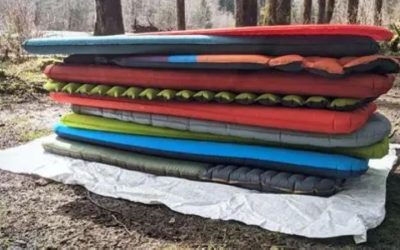
Yes. A bag’s rating assumes an insulated pad beneath you, because the ground steals heat the crushed insulation under your body can’t replace. Match your pad’s R-value to the conditions or you’ll feel colder than the bag’s number suggests.
How should I store my sleeping bag?
Store it loosely in a large cotton or mesh sack, never compressed long-term, since crushing the insulation permanently reduces loft and warmth. Keep it dry, and air it out after trips to preserve its lifespan.
See More:
- Best daypacks for hiking
- Best hiking sneakers men
- Best backpack for hike
- Best backpack for carry on
- Sleeping bag best
Final Thoughts
The best rated sleeping bag is the one matched to your climate, your sleep style, and how you get to camp. Choose the Kelty Cosmic Down 20 for value backpacking, the NEMO Forte 20 if you sleep on your side, the Marmot Trestles Elite Eco 30 for warm or wet weather, the TETON LEEF on a budget, and the Kelty Tru.Comfort Doublewide for car-camping couples — and buying before seasonal and tariff-driven price bumps is the smart play.
Write Your Review
No reviews yet. Be the first to share your experience!