Key takeaways
What's inside
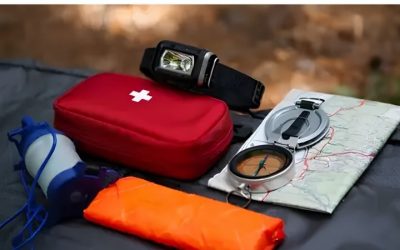
Wilderness survival guide planning follows the rule of threes: three hours without shelter in bad weather, three days without water, three weeks without food. This roundup compares five field-tested pieces of gear organized by survival priority, so you can carry the few items that keep you warm, hydrated, and able to signal when a hike goes wrong.
As an Amazon Associate we earn from qualifying purchases.
By Jake Thompson
How to Prioritize Wilderness Survival
Survival is about tackling threats in the right order. A solid wilderness survival guide follows the rule of threes, which ranks shelter and warmth first, then water, then fire and signaling. Carrying a few items that address each priority matters far more than a heavy pack of gadgets you never use.
Shelter and Warmth First
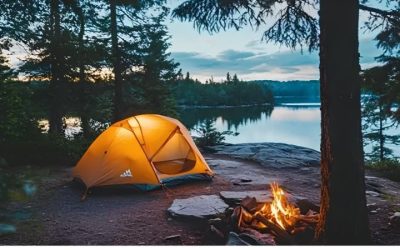
Exposure kills faster than hunger or thirst. In cold, wet conditions, hypothermia can set in within hours, so the top priority is retaining body heat. A compact emergency shelter that reflects your warmth back to you is the single most important item in most survival situations.
Weight is no excuse to skip it. Modern emergency bivvies weigh only ounces and pack to the size of a water bottle, so there is no reason not to carry one. Any wilderness survival guide puts shelter at the top, because staying warm buys you the time to solve every other problem.
Water and Fire
After shelter, water and fire come next. You can last only about three days without water, and drinking untreated sources risks illness, so a lightweight filter is essential. Fire provides warmth, purifies water by boiling, cooks food, and signals rescuers, making a reliable ignition source a survival cornerstone.
Redundancy matters here. Carry a primary filter plus a backup like purification tablets, and pair a ferro rod with a lighter, since a single point of failure can be deadly. A good wilderness survival guide always builds in a backup for these two life-critical needs.
Signaling and Tools
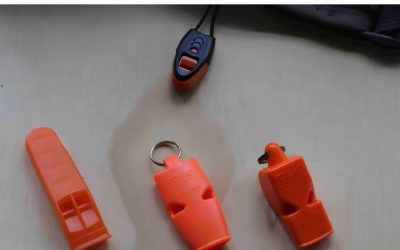
Getting found is a survival priority of its own. A loud whistle carries far beyond your voice, a signal mirror flashes rescuers miles away, and a bright light marks your position at night. These lightweight tools dramatically improve your odds of being located quickly.
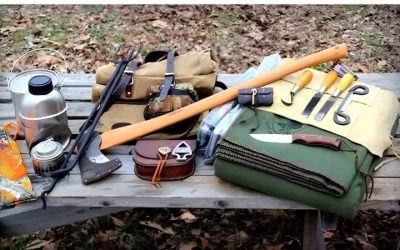
A good cutting tool ties it all together. A sturdy fixed-blade knife builds shelter, prepares firewood, and processes food, doing the heavy work no other item can. This wilderness survival guide treats a reliable knife and a signaling method as essential companions to shelter, water, and fire.
Top Picks: The Best Wilderness Survival Gear
With those priorities in mind, this wilderness survival guide lines up five field-tested pieces of gear, one for each survival need. The table sums up each item’s role, and the reviews below explain who each one suits and the trade-offs to weigh before you buy.
| Priority | Gear | Role | Best For |
|---|---|---|---|
| Shelter | SOL Emergency Bivvy | Reflects body heat | Staying warm |
| Water | Sawyer Squeeze | Filters to 0.1 micron | Safe drinking water |
| Fire | Ferro Rod | Sparks even when wet | Starting fires |
| Cutting | Morakniv | Scandi fixed blade | Shelter and fire prep |
| Signal | Fox 40 Whistle | Loud, pealess | Calling for help |
SOL Emergency Bivvy – Best Shelter
The SOL Emergency Bivvy is the top warmth priority in a tiny package. Shaped like a sleeping bag from heat-reflective material, it retains up to about 90 percent of your body heat while blocking wind and rain, and it packs down to roughly the size of a water bottle in your pack.
It is single-layer and less durable or breathable than a reusable model, so condensation can build up inside. But as a featherweight, life-saving shelter that costs little and weighs almost nothing, it belongs in every hiker’s kit.
Sawyer Squeeze – Best Water Filter
The Sawyer Squeeze makes wild water safe to drink almost anywhere. Its hollow-fiber membrane filters down to 0.1 micron, removing bacteria and protozoa, it threads onto standard bottles and pouches, and its rated capacity is high enough to serve as a lifetime filter with proper backflushing.
The included squeeze pouches can develop seam leaks over time, so many users swap in tougher aftermarket bags. But for reliable, lightweight water filtration at a low price, it remains the backcountry standard for a reason.
Ferro Rod – Best Fire Starter
A ferro rod is the most reliable fire starter for survival. It throws a shower of hot sparks even when wet, works in wind and cold that defeat lighters, and lasts for thousands of strikes, making it a dependable primary ignition source when your life may depend on a fire.
It takes practice and good tinder to master, and sparks alone will not light damp wood. But paired with a backup lighter and stormproof matches, it forms the redundant fire kit that any wilderness survival guide recommends.
Morakniv – Best Knife
The Morakniv is the value benchmark for a survival cutting tool. Its sharp Scandi-ground fixed blade of Swedish steel handles carving, feathering tinder, and light batoning, its sharp spine throws sparks off a ferro rod, and its low weight and price make it easy to carry everywhere.
It is a lighter-duty knife than a thick full-tang survival blade, so hard batoning demands care. But for an affordable, capable fixed blade that covers shelter, fire, and food prep, it delivers remarkable performance for the money.
Fox 40 Whistle – Best Signal
The Fox 40 whistle is a tiny tool with an outsized payoff. Its pealess design produces a piercing blast that carries far beyond your voice and works even when you are exhausted or injured, dramatically improving your odds of being heard and found by rescuers.
A whistle only signals to those within earshot, so it is no substitute for a satellite messenger on remote trips. But as a near-weightless, foolproof way to call for help, it is one of the highest-value items you can carry.
Frequently Asked Questions
A few questions come up again and again when hikers read a wilderness survival guide. Here are quick, practical answers to help you prepare.
What is the rule of threes in survival?
The rule of threes is a rough guide to survival priorities: you can last about three minutes without air, three hours without shelter in harsh weather, three days without water, and three weeks without food. It reminds you to tackle shelter and warmth first, then water, then fire and food.
What is the single most important survival item?
A way to retain body heat, since exposure kills fastest. A lightweight emergency bivvy or shelter tops most survival kits because hypothermia can strike within hours in cold, wet conditions. Staying warm buys you the time and clear thinking to solve water, fire, and rescue problems next.
How do I signal for help in the wilderness?
Use a loud whistle, a signal mirror to flash aircraft or distant rescuers, and bright or reflective materials to mark your position. Three of anything, like three whistle blasts, is a recognized distress signal. On remote trips, a satellite messenger with an SOS button is the most reliable option.
Do I need survival skills or just gear?
Both. Gear only helps if you know how to use it, so practice building shelter, starting fires, and taking bearings before you need them. Skills weigh nothing and never fail, while gear extends what your skills can do. The strongest preparation combines a few quality items with real practice.
See More:
- Best camp chair
- Lightweight camp chair
- Camping table review
- Backpacking cookware set
- Camp stove review
Final Thoughts
A good wilderness survival guide is really about carrying the right few items and knowing the priorities. The SOL Emergency Bivvy keeps you warm, the Sawyer Squeeze keeps you hydrated, and a ferro rod makes fire, while a Morakniv does the heavy cutting and a Fox 40 whistle calls for help. Pack these essentials, practice the skills, and a bad day outdoors stays survivable.