Key takeaways
Emergency shelter survival is the first priority when a day hike goes wrong, because exposure kills faster than hunger or thirst. This roundup compares five field-tested shelters across warmth, weight, durability, and price, from a heat-reflective bivvy to a configurable tarp, so you can carry the right protection for a cold night out.
As an Amazon Associate we earn from qualifying purchases.
Our top picks


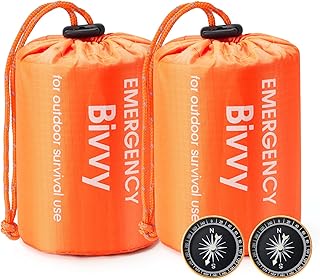


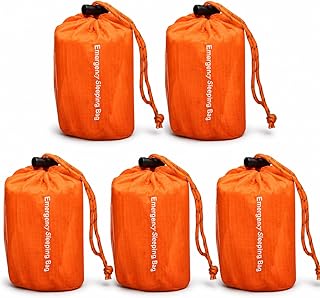
As an Amazon Associate we earn from qualifying purchases at no extra cost to you. Ratings are shown as listed on Amazon.
By Jake Thompson
How to Choose Emergency Shelter
The right shelter depends on your climate, your pack space, and how much you will use it. Effective emergency shelter survival balances warmth against weight, since the best shelter is the one you actually carry. Start by thinking through three factors before you add one to your kit.
Warmth and Heat Retention
Retaining body heat is the whole point. Heat-reflective materials bounce your warmth back to you, and an enclosed bivvy shape traps far more heat than an open blanket. In cold or wet conditions, that difference can be the line between a miserable night and hypothermia, so prioritize reflective, enclosed designs.
Consider the conditions you face. A simple reflective blanket suffices for mild emergencies, while a full bivvy is safer for cold, exposed terrain. Good emergency shelter survival means matching the shelter’s warmth to the worst weather you might realistically encounter, not the best-case forecast.
Weight, Packability, and Reuse
The lightest shelter earns its place by always being in your pack. Emergency bivvies and blankets weigh only ounces and compress to the size of a water bottle, so weight is rarely a real excuse to leave one behind. Packability matters as much as warmth in emergency shelter survival, for gear you hope never to use.
Single-use versus reusable is a key trade-off. Cheap Mylar blankets are ultralight but tear easily and are hard to repack, while sturdier reusable bivvies cost more but survive repeated trips. Decide whether you want a disposable backup or a durable shelter you can rely on again and again.
Versatility and Durability
Some shelters do more than one job. A tarp can become a lean-to, a ground sheet, or a rain fly, adapting to terrain and needs, while a fixed bivvy does one thing well. Versatility adds usefulness but usually requires cordage, stakes, and a bit of skill to set up.
Durability decides how long a shelter lasts. Thin reflective materials protect well once but tear easily, while reinforced fabrics survive wind and repeated use. Match durability to how you will carry and use it, since a shelter that shreds on first use fails exactly when emergency shelter survival matters most.
Top Picks: The Best Emergency Shelters
With those factors in mind, here are five field-tested shelters for emergency shelter survival, each a clear winner for a different situation. The table sums up the essentials, and the reviews below explain who each one suits and the trade-offs to weigh before you buy.
| Shelter | Type | Warmth | Weight | Best For |
|---|---|---|---|---|
| SOL Emergency Bivvy | Bivvy | Reflects ~90% heat | Light | Overall |
| SOL Escape Bivvy | Breathable bivvy | Reflects ~70% heat | Light | Reusable |
| Mylar Space Blanket | Blanket | Basic reflect | Ultralight | Budget backup |
| Ultralight Tarp | Tarp | Configurable | Moderate | Versatile shelter |
| Emergency Tube Tent | Tube tent | Blocks wind and rain | Light | Quick shelter |
SOL Emergency Bivvy – Best Overall
The SOL Emergency Bivvy is the benchmark for lightweight emergency shelter. Shaped like a sleeping bag from heat-reflective material, it retains up to about 90 percent of your body heat while blocking wind and rain, and it packs down to roughly the size of a water bottle for effortless carry.
Its single-layer material is less breathable, so condensation can build inside, and it is not meant for repeated heavy use. But as a featherweight, affordable shelter that could save your life, it earns a spot in every pack.
SOL Escape Bivvy – Best Reusable
The SOL Escape Bivvy upgrades the concept with breathable, waterproof fabric. It reflects around 70 percent of your body heat, lets moisture escape to reduce clammy condensation, and is durable enough for repeated trips, packing to about the size of a water bottle while doubling as a warm sleep-system booster.
It reflects a bit less heat than the single-use bivvy and costs more. But for hikers who want a reusable emergency shelter they can rely on trip after trip, its breathability and durability justify the price.
Mylar Space Blanket – Best Budget Backup
The classic Mylar space blanket is the cheapest, lightest emergency shelter around. Weighing almost nothing and costing a few dollars, it reflects body heat, blocks wind when wrapped tight, and can serve as a ground sheet, signal, or rain barrier, making it an easy add to any kit.
It tears easily, is hard to repack, and offers less warmth than an enclosed bivvy. But as an ultralight backup to keep in every pack, pocket, and glovebox, its value is undeniable.
Ultralight Tarp – Best Versatile Shelter
An ultralight tarp is the most adaptable emergency shelter. Strung with cordage, it becomes a lean-to against wind and rain, a ground sheet, or a rain fly, sheltering one or more people and adjusting to whatever terrain and weather you face on the trail.
It needs cordage, stakes, and some setup skill, and it does not trap heat like an enclosed bivvy. But for hikers who value flexibility and can rig it well, a tarp covers more shelter scenarios than any single-purpose option.
Emergency Tube Tent – Best Quick Shelter
An emergency tube tent sets up fast for instant protection. Strung between two anchors along an included cord, its tube shape blocks wind and rain on two sides, giving you enclosed cover in seconds without the skill a tarp demands, all in a light, packable form.
It offers less heat retention than a bivvy and needs two anchor points to pitch. But for a quick, foolproof shelter that keeps the rain off with minimal fuss, it is a practical middle ground between a blanket and a tarp.
Frequently Asked Questions
A few questions come up again and again about emergency shelter survival. Here are quick, practical answers to help you prepare.
Why is shelter the top survival priority?
Because exposure kills fastest. In cold, wet, or windy conditions, hypothermia can set in within hours, long before hunger or thirst becomes dangerous. Retaining body heat with an emergency shelter buys you the time and clear thinking to handle water, fire, and rescue, which is why it comes first.
Is a bivvy better than a space blanket?
Usually, yes. An enclosed bivvy traps far more heat than an open blanket because it surrounds your whole body and reduces heat loss on all sides. A space blanket is cheaper and lighter as a backup, but for real cold-weather protection, a reflective bivvy is the safer choice.
How small do emergency shelters pack?
Most emergency bivvies and blankets pack down to roughly the size of a water bottle or smaller and weigh only a few ounces. That tiny footprint means there is almost no reason not to carry one on every hike, since it could prevent a dangerous night of exposure.
Can I reuse an emergency bivvy?
Single-use bivvies and Mylar blankets can sometimes be reused but tear easily and are hard to repack. Reusable models like breathable bivvies are built for repeated trips and hold up much better. If you want a shelter to rely on more than once, choose a durable, reusable design.
See More:
- Best camp chair
- Lightweight camp chair
- Camping table review
- Backpacking cookware set
- Camp stove review
Final Thoughts
Good emergency shelter survival comes down to carrying warmth that fits in your pack. The SOL Emergency Bivvy leads overall, the Escape Bivvy adds reusable breathability, and a Mylar blanket covers budget backups, while a tarp brings versatility and a tube tent offers quick, easy cover. Match warmth and durability to your climate, and an unplanned night out stays survivable.