Key takeaways
What's inside
Cooler comparison shopping gets confusing fast, because two boxes that look alike can cost hundreds apart. This roundup puts five field-tested coolers head-to-head across ice retention, capacity, weight, and price, matching premium against value and hard against soft, so you can see which cooler wins for how you camp.
As an Amazon Associate we earn from qualifying purchases.
By Jake Thompson
How to Read a Cooler Comparison
Specs only mean something once you know your trips. A fair cooler comparison weighs ice retention, capacity, weight, and price together, because a box that wins on one can lose badly on another. Before the matchups, it helps to understand the three trade-offs that separate every cooler on the market.
Retention vs Weight and Cost
Longer ice life almost always means thicker walls, more weight, and a higher price. Rotomolded coolers hold ice for a week but are heavy and expensive, while lighter injection-molded boxes cost less and keep it a few days. The question is how much retention your trips actually require.
Value brands complicate the picture in a good way. In many a matchup, a mid-priced rotomolded box matches a premium one within a day of ice life for far less money. The premium tax often buys certification, warranty, and finish more than a big jump in raw cold.
Hard vs Soft Construction
Hard and soft coolers solve different problems. Hard-sided boxes hold more, keep ice far longer, and take real abuse, making them the choice for multi-day trips. Soft coolers are lighter, more packable, and easier to carry, which makes them ideal for day trips even though the ice melts sooner.
Neither type is simply better. The right answer depends on trip length and how far you carry the cooler. Many campers own one of each and grab whichever fits the day, which is why a good comparison looks at use case rather than crowning a single winner.
Capacity and Real-World Use
Rated capacity can mislead. A cooler’s quart or can number assumes no ice, so real usable space is roughly half once it is packed to keep food cold. Thick insulation also shrinks the interior, meaning a bulky premium box may hold less than a thinner budget one of the same outside size.
Think about loading, not just volume. Wide openings, flat interiors, and dry baskets make a cooler easier to pack and organize. The most useful comparison factors in how the space actually works on a trip, not only the headline capacity printed on the box.
Top Picks: A Head-to-Head Cooler Comparison
With those trade-offs in mind, here is a cooler comparison of five popular models matched against their closest rivals. The table lines up the key numbers, and the matchups below explain who each cooler suits and where its rival makes more sense, so you can pick the winner for your own trips.
| Cooler | Type | Ice Life | Weight | Price Tier |
|---|---|---|---|---|
| Yeti Tundra 45 | Rotomolded hard | Up to ~10 days | ~25 lb | Premium |
| RTIC 45 | Rotomolded hard | ~5-7 days | Heavier | Mid |
| Coleman Xtreme 5 | Injection hard | Up to ~5 days | ~13-18 lb | Budget |
| Yeti Hopper Flip 12 | Soft | ~3 days | ~5 lb | Premium soft |
| RTIC Soft Pack 30 | Soft | ~2-3 days | Moderate | Value soft |
Yeti Tundra 45 vs RTIC 45 – Premium Rivalry
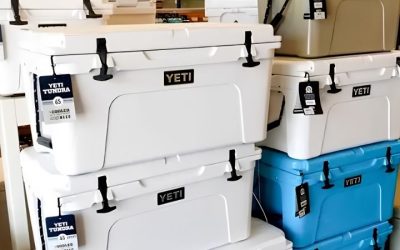
This is the classic cooler comparison. The Yeti Tundra 45 wins on ice life, certified bear resistance, and finish, making it the pick for backcountry trips and buyers who want the best. The RTIC 45 matches most of the build and holds ice nearly as long for meaningfully less money.
The RTIC runs heavier and is not bear-certified, so it is a poor fit for bear country. For most weekend campers watching their budget, though, the RTIC delivers so much of the Yeti experience that the price gap is hard to justify.
Coleman Xtreme 5 vs Rotomolded – Budget Reality
The Coleman Xtreme 5 proves you do not need to spend big for a good weekend. This injection-molded cooler keeps ice up to five days, weighs far less than a rotomolded box, and costs a small fraction of the price, making it the sensible choice for casual campers and families.
It cannot survive the abuse or extreme heat a rotomolded cooler handles, and its retention trails the premium boxes. But for lake days, tailgates, and short trips, it offers more than enough cold for the money and stays easy to carry.
Yeti Hopper Flip 12 vs RTIC Soft Pack 30 – Soft Showdown
Among soft coolers, this cooler comparison comes down to seal and price. The Yeti Hopper Flip 12 offers roughly three days of ice, a leakproof zipper, and lighter weight, while the RTIC Soft Pack 30 holds more, seals nearly as well, and costs considerably less.
The RTIC is bigger and heavier, and its zipper can be stiff. For a compact, premium grab-and-go bag the Yeti wins, but for more capacity at a lower price the RTIC is the smarter value, so the right pick depends on your budget and load.
Hard vs Soft – Trip Length Decides
The broadest matchup is hard against soft. A hard cooler like the Tundra or Xtreme holds far more and keeps ice for days, making it right for multi-day camping and big groups. A soft cooler wins for portability on day trips, picnics, and paddles where you value easy carry over long retention.
Neither wins outright. If your trips run long or your group is large, go hard. If you mostly need cold for a day and hate lugging weight, go soft. Matching type to trip length is the single most useful takeaway from any honest comparison.
Frequently Asked Questions
A few questions come up again and again in any cooler comparison. Here are quick, practical answers to help you finalize your choice.
Is a Yeti really better than a cheaper cooler?
A Yeti holds ice longer, is certified bear-resistant, and carries a strong warranty, which matters for demanding trips. But value brands come within a day of ice life for much less. If you camp occasionally near town, a cheaper cooler is the smarter buy; if you camp hard and often, the premium pays off.
How much ice life difference is there between brands?
Among rotomolded coolers, top premium and mid-priced value boxes usually differ by only a day or two of ice life in real use. Budget injection-molded coolers fall a few days behind. How you pack and shade the cooler often affects results more than the brand name on the lid.
Are soft coolers a fair comparison to hard coolers?
Only within the same use case. Soft coolers win on weight and portability for day trips, while hard coolers win on capacity and multi-day retention. Comparing them head-to-head only makes sense once you know your trip length, since each is built to solve a different problem.
Which cooler holds ice the longest?
Premium rotomolded coolers with thick walls and tight gaskets lead the field, often holding ice around ten days in ideal conditions. Value rotomolded boxes trail slightly, and injection-molded and soft coolers keep ice a few days at most. Real-world use always shortens these best-case numbers.
See More:
- Best camp chair
- Lightweight camp chair
- Camping table review
- Backpacking cookware set
- Camp stove review
Final Thoughts
This cooler comparison shows there is no single best cooler, only the right one for your trips. The Yeti Tundra leads on retention, the RTIC 45 on value, and the Coleman Xtreme on budget, while the soft Hopper and RTIC Soft Pack trade capacity for portability. Match type, size, and price to how you camp, and the winner becomes obvious.