Key takeaways
What's inside
Wide toe box hiking shoes let your toes splay naturally, which prevents the squished toes, black toenails, and blisters that narrow shoes cause on long descents. The wide toe box hiking shoes in this guide are chosen for genuine anatomical room, built on foot-shaped lasts rather than shoes that just add length.
As an Amazon Associate we earn from qualifying purchases.
By Jake Thompson, outdoor gear writer and long-time trail tester
How to Choose the Right Wide Toe Box Hiking Shoes
A true wide toe box comes from shape, not size, so knowing what to look for saves you from buying shoes that are simply too long. Focus on last shape, drop and stack, width versus length, and the break-in transition. These four factors define real forefoot room.
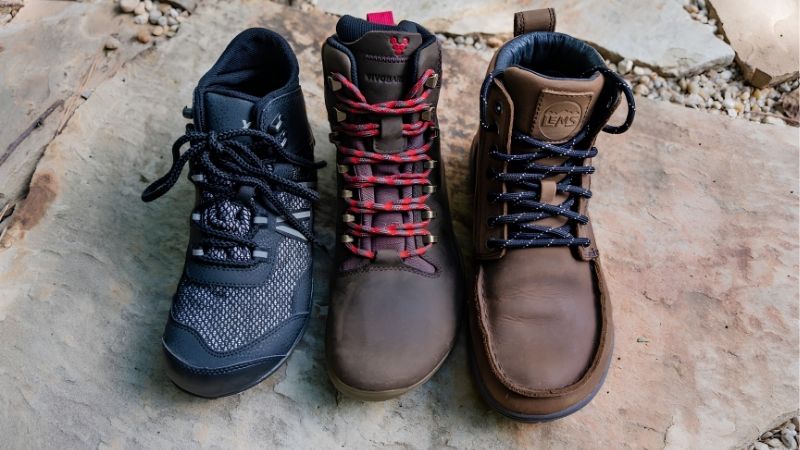
Foot-Shaped Last Versus Wide Size
The best option is a last that is genuinely shaped like a foot, wider at the toes and snug at the heel. Brands like Altra and Topo build this into every standard shoe, so your toes splay without hunting for a special wide listing.
Other brands offer separate wide SKUs that add midfoot and heel room. These help broad feet overall, but a foot-shaped last is the surest fix for toe crowding specifically, since it targets the forefoot.
Drop and Stack Height
Toe-box brands often pair roomy forefeet with lower drops. Zero-drop shoes like the Lone Peak encourage a natural gait, low-drop models like Topo’s Terraventure split the difference, and higher stacks add cushion under heavy loads at some cost to ground feel.
Match stack to your terrain. A moderate 25 to 28 mm stack balances protection and feel, while a taller stack cushions loaded miles but can feel less stable on uneven, rocky ground.
Width Versus Length
Sizing up for room is a trap, because it adds length in front of the toes, not width across the forefoot, leaving the foot to slide forward on descents. Buy your measured length in a wider width or a foot-shaped last instead.
Test the splay by pressing down as if descending. Your toes should spread without hitting the sides, and your heel should stay locked, which is the combination a proper wide toe box delivers.
Break-In and Transition
Switching to a roomy, low-drop shoe usually needs an adjustment period. Calves and Achilles adapt to less heel elevation over a few weeks, so plan short hikes first before committing to a big day or a loaded trip.
Give the fit a fair trial. The distinctive shape can feel odd at first if you are coming from a structured shoe, but most hikers adapt and never look back once their toes have room.
Top Picks: Wide Toe Box Hiking Shoes
Every pair of wide toe box hiking shoes below offers genuine forefoot room, most built on a foot-shaped last. The table compares drop, stack height, and waterproofing, then each pick gets an honest look at its fit and trade-offs.
| Shoe | Drop | Stack | Waterproof | Best For |
|---|---|---|---|---|
| Altra Lone Peak 9 | 0 mm | ~25 mm | Non-WP (WP model) | Widest foot-shaped fit |
| Topo Athletic Terraventure 4 | 3 mm | ~28 mm | Non-WP | Wide with a low drop |
| Topo Athletic Trailventure 2 WP | Low | ~33 mm | Waterproof | Mid-cut, ankle support |
| Altra Olympus 6 Hike GTX | 0 mm | High | Gore-Tex | Cushioned zero-drop hiking |
| Keen Targhee IV | Conventional | Mid | Keen.Dry | Roomy, waterproof durability |
| Lems Boulder | 0 mm | Minimal | Non-WP | Barefoot feel, huge toe box |
Altra Lone Peak 9
The Lone Peak is the flagship of the wide-toe-box world. Its zero-drop platform and FootShape toe box give the widest readily available forefoot, letting toes splay fully, while a roughly 25 mm stack and grippy outsole keep it capable on trail at a fair price.
The zero drop needs calf and Achilles adaptation, and the roomy fit can feel slipper-like or too loose for some. For hikers who want maximum toe room without giving up cushion, it is the benchmark.
Topo Athletic Terraventure 4
Topo runs a similar foot-shaped philosophy with a friendlier feel. The Terraventure 4 pairs a wide forefoot with a modest 3 mm drop and a 28 mm stack, so hikers get toe room and natural splay without committing to full zero drop.
It is a low-cut shoe, so it offers less protection than a mid boot, and the shape still runs distinctive. For wide-footed hikers easing toward roomy shoes with a conventional-ish drop, it is an easy recommendation.
Topo Athletic Trailventure 2 WP
The Trailventure 2 brings the wide toe box to a mid-cut, waterproof design with ankle support. A taller stack around 33 mm cushions loaded miles, and the waterproof upper handles wet trails, making it a versatile do-more option for broad feet.
The higher stack trades away some ground feel and stability on rough terrain, and it runs warmer than a breathable shoe. For hikers who want toe room plus waterproofing and support, it is a standout pick.
Altra Olympus 6 Hike GTX
The Olympus Hike is Altra’s shoe built specifically for hiking, keeping the wide FootShape toe box while adding more cushion, a durable upper, Gore-Tex, and a premium Vibram outsole. The extra cushion eases the load that zero drop can place on the body.
It is heavier and pricier than the Lone Peak, and still requires the zero-drop transition. For wide-footed hikers who want a rugged, cushioned, waterproof zero-drop shoe, it is the most trail-ready Altra.
Keen Targhee IV
Keen takes the roomy route without going foot-shaped or zero-drop. The Targhee IV offers a genuinely wide, comfortable toe box, a durable leather upper, Keen.Dry waterproofing, and the signature protective toe cap, all in a conventional, familiar feel.
It is heavier and less nimble than the minimalist options, with average stickiness on wet rock. For hikers who want toe room plus proven waterproof durability in a traditional shoe, it is a dependable choice.
Lems Boulder
For hikers chasing a barefoot feel, the Lems Boulder delivers a huge toe box in a soft, flexible, almost slipper-like package. It lets the foot move and splay freely, which many wide-footed and minimalist hikers love for shorter, mellow outings.
The trade-off is protection: with a minimal sole and little support, it is not for heavy loads or sharp, rocky terrain. As a roomy, natural-feeling shoe for easy trails and camp, though, it is a favorite.
Market Context: Prices, Tariffs and Timing in 2026
Roomy shoes span budget to premium, so timing helps when buying wide toe box hiking shoes in 2026. Tariff uncertainty on imported footwear and the seasonal deal calendar both influence when each model reaches its best price.
Why Prices Vary
These shoes are imported, and 2026 tariff policy has stayed uncertain even after legal challenges, keeping costs elevated. Specialty foot-shaped brands and premium models have edged prices up, while budget options pass costs straight to shoppers.
Because policy keeps changing, brands call future pricing guesswork. That is a fair reason to buy a roomy model you trust while it is in stock in your size, since wide-friendly lasts can sell out.
Finding Roomy Shoes for Less
Closeout stock is the value play. Retailers are clearing pre-tariff inventory through late 2026, so prior-year versions of the Lone Peak or Terraventure are the best place to find markdowns with near-identical fit and performance.
Trail shoes update yearly with minor changes, so last season’s model usually splays your toes exactly like the new one. That makes the older colorway the smartest way to buy toe room for less.
When to Buy
Back-to-school demand firms up early-fall prices, but Amazon’s fall sale event in early October and the late-November Black Friday and Cyber Monday windows bring the deepest cuts. A wishlist plus price tracking helps you buy at the low.
If you need shoes for a trip, prioritize the right fit over a small saving, and allow transition time for a low-drop model. A properly broken-in roomy shoe beats a cheaper pair that pinches or arrives late.
Frequently Asked Questions
These are the questions hikers ask most about wide toe box hiking shoes.
Should I size up for a wider toe box?
No. Sizing up adds length in front of your toes, not width, so your foot slides forward on descents. Buy your measured length in a wider width or a foot-shaped last instead for real room.
Do wide toe box shoes prevent blisters?
They reduce toe crowding and splay-related hot spots, and they cut black-toenail risk on descents. Overall blister prevention still depends on fit, socks, and a locked heel, but toe room is a big help.
Do I have to go zero drop?
No. Zero-drop options like Altra offer maximum splay, but low-drop foot-shaped shoes like Topo’s give wide forefeet room with a more conventional feel, easing the transition from structured shoes.
How long is the transition period?
Usually a few weeks for calves and Achilles to adapt to a lower drop and less structure. Start with short hikes and build up gradually to avoid soreness before tackling long or loaded days.
See More:
- Best boots for rocky trails
- Best boots for snow hiking
- Budget hiking shoes
- Premium hiking boots
- Hiking shoe comparison chart
Final Thoughts
The best wide toe box hiking shoes free your toes to splay, cutting crowding, black toenails, and hot spots on long miles. Foot-shape purists should look at the Lone Peak or Olympus Hike, low-drop converts at Topo’s Terraventure, and traditionalists at the Targhee IV. Buy your measured length in a roomy last, allow the transition, and your feet will thank you on every descent.