Key takeaways
What's inside
Budget hiking shoes have gotten genuinely good, and you no longer need to spend $200 for comfort and grip. The budget hiking shoes in this guide were picked for value, weighing comfort, durability, and traction against price so new and casual hikers get real trail performance without overpaying for a name.
As an Amazon Associate we earn from qualifying purchases.
By Jake Thompson, outdoor gear writer and long-time trail tester
How to Choose the Right Budget Hiking Shoes
At the value end, smart shopping is about knowing which corners a brand cut. Focus on outsole quality, upper materials, cushioning, and fit, and you can find shoes that punch well above their price. Here is what to check before you buy.
Outsole and Traction for the Money
Traction is where cheap shoes often disappoint, so a name-brand outsole is a green flag. Even at budget prices, a Vibram sole or Salomon’s Contagrip grips far better than generic rubber on wet roots and loose dirt.
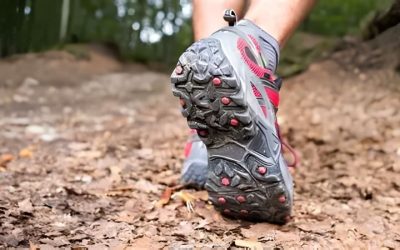
Lug depth matters too. Deeper, spaced lugs shed mud and bite loose terrain, while shallow tread wears fast and slips. On a budget, prioritize the rubber compound over cosmetic features.
Upper Materials and Durability
Leather-and-mesh uppers last longer than all-mesh at the low end, and a rubber toe bumper protects against the rocks that shred cheap shoes first. Recycled and synthetic blends keep costs down without necessarily sacrificing life span.
Check the seam where upper meets sole. Glued-only budget shoes can delaminate, so a bonded or stitched construction with a toe cap is worth hunting for at any price.
Cushioning and Support
A supportive EVA midsole and a decent footbed keep feet fresh on longer days. Some budget shoes skimp here and the cushion packs out fast, so read reviews for comments about midsole longevity over months, not just first impressions.
Arch and heel support prevent fatigue. A molded footbed and a firm heel counter cost the brand little but make a big difference over a full day on trail.
Fit, Width, and Break-In
The best value shoe is the one that fits your foot, so try width options if you have wide or narrow feet. Many budget favorites run roomy in the toe box, which suits swelling feet but can feel sloppy for narrow ones.
Look for shoes that are comfortable out of the box. Long, painful break-in periods are a sign of stiff, poorly shaped lasts, and life is too short for that on an entry-level shoe.
Top Picks: Budget Hiking Shoes
Every shoe below balances price against real trail performance rather than just being cheap. The table compares weight, outsole, and waterproofing, then each pick gets an honest look at value and compromises.
| Shoe | Weight (pair) | Outsole | Waterproof Option | Best For |
|---|---|---|---|---|
| Merrell Moab 3 (Low) | ~2 lb | Vibram TC5+ | Yes (WP model) | Do-it-all value pick |
| adidas Terrex Skychaser AX5 | Light | Traxion / Continental | Yes (GTX ~$120) | Best value with support |
| Columbia Crestwood | ~1.5 lb (W) | Omni-Grip | Non-WP | Cheapest warm-weather pick |
| Merrell Moab Speed 2 | ~1 lb 8.7 oz (M) | Vibram 460 MegaGrip | Yes (GTX model) | Lightweight, fast days |
| Salomon X Ultra 360 | Light | All-Terrain Contagrip | Yes (model dependent) | Athletic entry-level Salomon |
| Keen Voyageur | ~1 lb 15 oz | Keen rubber | Non-WP (breathable) | Wide feet, toe protection |
Merrell Moab 3 (Low)
The Moab 3 is the classic can’t-go-wrong value shoe. A surprising Vibram TC5+ outsole, plush collar and tongue, durable leather-and-mesh upper, and a protective build make it comfortable out of the box and durable for hundreds of miles, in both waterproof and cheaper non-waterproof versions.
It is heavier and less breathable than modern lightweight shoes, and the rounded lugs skate on slick rock. For a first pair that handles almost any trail without pinching, though, it is the default recommendation.
adidas Terrex Skychaser AX5
Often called the best value in hiking shoes, the Skychaser AX5 offers genuine support and traction for around $100, with a rare budget Gore-Tex option near $120. Testers found it capable enough for steep switchbacks and rocky sections, unlike many soft, unsupportive cheap shoes.
It is an entry-level version of adidas’s pricier Skychaser, so it is not the most durable or plush option long term. For an average day hiker who wants support and optional waterproofing on a tight budget, it is outstanding.
Columbia Crestwood
The Crestwood is the bargain of the group, sometimes costing less than the gas to reach the trailhead. Its breathable leather, mesh, and webbing upper and light weight make it a comfortable pick for shorter day hikes in warm, dry climates.
You feel the price in support and durability: it is basic and not built for heavy loads or rough terrain. As a warm-weather, casual-trail shoe for occasional hikers, it delivers remarkable value.
Merrell Moab Speed 2
The lightweight sibling of the Moab, the Speed 2 uses a grippy Vibram 460 MegaGrip outsole and a soft, athletic upper for a nimble, cool ride, often under $150 in the non-waterproof version. It doubles as a comfortable everyday shoe.
It is less protective than the standard Moab, the toe box runs roomy, and the midsole cushion can fade over time. For fast, light day hikers, especially in warm climates, it is a superb budget-flexible choice.
Salomon X Ultra 360
The X Ultra 360 is the entry-level member of Salomon’s excellent X Ultra family, bringing an athletic fit and All-Terrain Contagrip traction to a friendlier price. It feels light and fast, encouraging quicker hiking on technical dirt than most budget shoes allow.
Salomon lasts run narrow, so wide feet should try before buying, and it lacks some premium features of the flagship X Ultra 5. For hikers who want a sporty, grippy shoe without the top-tier price, it is a smart step up.
Keen Voyageur
The Voyageur sneaks in under the budget line while keeping Keen’s signature big toe bumper and roomy fit, making it a natural pick for wide feet. Its breathable, non-waterproof upper vents well, so it stays cool on warm-weather trails and dries quickly after crossings.
The trade-off is weather protection: without a membrane it soaks through in sustained rain, and the cushioning is firm. For wide-footed hikers who value toe protection and breathability on a budget, it is a durable value.
Market Context: Prices, Tariffs and Timing in 2026
Budget shoppers feel price swings the most, so timing matters when buying budget hiking shoes in 2026. Tariff uncertainty on imported footwear and a squeezed household budget both push toward patient, deal-aware buying this year.
Why Value Buyers Should Watch Prices
Nearly all hiking shoes are imported, and 2026 tariff policy has stayed uncertain even after legal challenges, keeping costs elevated. Mid-tier and budget brands tend to pass those costs straight to shoppers, so entry-level prices have crept up in places.
The upside is that closeout stock offers relief. Retailers are clearing pre-tariff inventory through late 2026, so last-season colorways of proven budget models are the best place to find a genuine bargain.
Stretching a Tight Budget
With inflation still nibbling at household spending, non-essential gear budgets are tight, and shoppers are rightly price-sensitive. The good news is that the value picks here perform close to shoes costing far more, so trading down rarely means trading away real capability.
Buying last year’s model of a current favorite is the single best money-saving move. Performance barely changes year to year, but the discount can be substantial once a new version launches.
When to Buy for the Best Deal
Back-to-school demand keeps early fall prices firm, but Amazon’s fall sale event in early October and the late-November Black Friday and Cyber Monday windows bring the year’s deepest cuts. A wishlist plus price tracking lets you buy at the bottom.
If you need shoes now for a trip, a slightly higher price beats missing your size. Otherwise, patience through the sale windows is the budget hiker’s best friend.
Frequently Asked Questions
Here are the questions new hikers ask most about budget hiking shoes.
Are cheap hiking shoes worth it?
Yes, if you choose carefully. Value models with name-brand outsoles and durable uppers perform close to premium shoes on easy and moderate trails. The gap only widens on heavy loads and rough, technical terrain.
Do I need waterproof shoes on a budget?
Not necessarily. Waterproof liners cost more and run hotter, so in warm, dry climates a breathable non-waterproof shoe is often better and cheaper. Save the membrane for wet regions and shoulder-season hiking.
How long do budget hiking shoes last?
Roughly 300 to 500 miles for most, depending on outsole rubber and terrain. Durable picks like the Moab 3 last longer, while ultralight budget shoes wear faster in exchange for a nimbler ride.
Shoes or boots for a beginner?
For day hikes with a light pack and reasonable ankle strength, shoes are lighter, cooler, and easier to break in. Choose boots when carrying heavy loads or crossing sharp, rocky, or snowy terrain.
See More:
- Best boots for rocky trails
- Best boots for snow hiking
- Premium hiking boots
- Hiking shoe comparison chart
Final Thoughts
Good budget hiking shoes prove that value and performance are not opposites, as long as you prioritize outsole quality, durable uppers, and fit. New hikers can start with the Moab 3 or Skychaser AX5, warm-weather walkers with the Crestwood, and fast movers with the Moab Speed 2. Shop last-season stock through the fall sale windows and you will get real trail capability without straining your wallet.