Key takeaways
What's inside
Best boots for rocky trails share three traits: sticky rubber, a rand that shields the toes, and a stiff platform that blocks stone bruises. The best boots for rocky trails in this guide were chosen for granite slabs, loose scree, and jagged talus rather than smooth, groomed paths, so grip and protection always come first.
As an Amazon Associate we earn from qualifying purchases.
By Jake Thompson, outdoor gear writer and long-time trail tester
How to Choose the Right Best Boots for Rocky Trails
Rock chews up soft shoes fast, so the shopping checklist is different from a mellow-trail boot. Focus on outsole compound, midsole stiffness, toe protection, and how the ankle locks in. These four criteria separate a boot that survives a season of scrambling from one that shreds in a month.
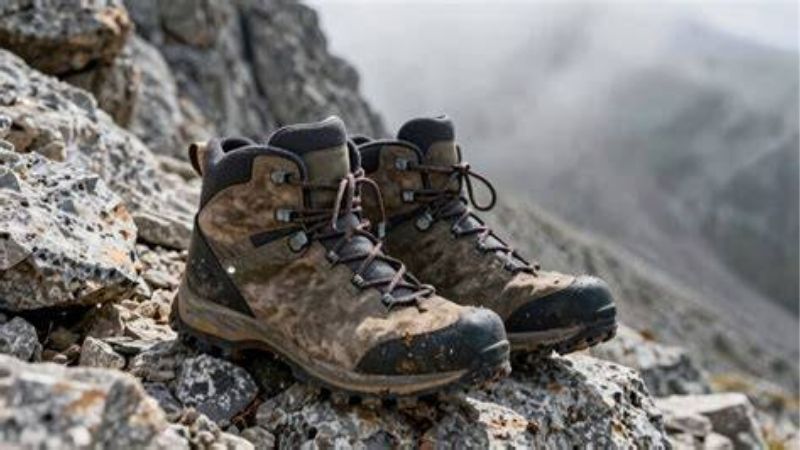
Outsole Compound and Lug Design
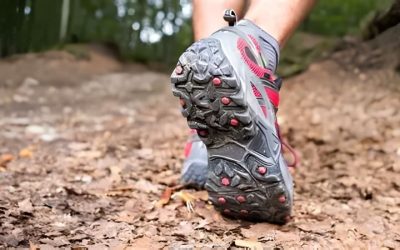
On rock, rubber chemistry matters more than lug depth. Sticky compounds such as Vibram Megagrip or Salomon Contagrip hold on wet, sloped stone where firmer, cheaper rubber skates. Aggressive, well-spaced lugs then clear grit and bite into loose scree between the slabs.
Look for a resoleable Vibram sole if you plan heavy mileage. Rocky terrain wears the ball of the foot quickly, and a resole extends a premium boot’s life by hundreds of miles instead of forcing a full replacement each season.
Midsole Stiffness and Underfoot Protection
A rigid midsole with a partial or full shank stops sharp edges from driving into your arch, the injury hikers call a stone bruise. Flexible trail-runner soles feel nimble on dirt but transmit every pointed rock straight to the foot over talus.
Stiffer boots do trade away some ground feel, so match the platform to your load. Carrying a heavy pack across boulder fields rewards a stiff shank, while a light day pack lets you drop to a semi-rigid sole for comfort.
Toe Cap and Rubber Rand
Kicking into rock is inevitable, so a hard toe cap and a rubber rand wrapping the lower boot are non-negotiable. The rand also guards the vulnerable seam where the upper meets the sole, the first place abrasive stone tends to open a boot up.
Full-perimeter rands cost more but pay off on technical routes. Cheaper boots protect only the toe, leaving the sidewalls exposed to the constant scraping that rocky trails deliver on every descent.
Ankle Support and Secure Lacing
Uneven rock rolls ankles, so a supportive cuff and a heel-locking lace system keep the foot planted. Locking eyelets at the base of the ankle stop your heel from lifting on steep, blocky descents where slippage causes blisters and missteps.
Height is a personal call. A taller collar adds stability under load but runs hotter, while a mid cut balances protection and mobility for faster, lighter days on the rock.
Top Picks: Best Boots for Rocky Trails
Every one of these best boots for rocky trails pairs a grippy outsole with real toe protection and a stiff enough platform for talus and slab. The table sums up the key specs, then each pick gets an honest look at who it suits and where it falls short.
| Boot | Weight (pair, men’s) | Outsole | Waterproof | Best For |
|---|---|---|---|---|
| La Sportiva Nucleo High II GTX | ~2 lb 1.6 oz | Vibram Nano XS-Trek | Gore-Tex Surround | Granite slabs, scrambling |
| Scarpa Zodiac Plus GTX | ~2 lb 6 oz | Vibram Drumlin | Gore-Tex | Technical alpine edging |
| Salomon Quest 4 GTX | ~2 lb 14 oz | Contagrip TD | Gore-Tex | Heavy loads, rough talus |
| Lowa Renegade GTX Mid | ~2 lb 9.6 oz | Vibram | Gore-Tex | All-round rocky hiking |
| Keen Targhee IV Mid WP | ~2 lb 8.2 oz | Keen Rugged | Keen.Dry | Wide feet, toe protection |
| Merrell Moab 3 Mid WP | ~2 lb 4 oz | Vibram TC5+ | Yes (membrane) | Budget rocky day hikes |
La Sportiva Nucleo High II GTX
This is the pick for hikers who scramble. At roughly 16.8 ounces per shoe it is light for a leather boot, yet the Vibram Nano XS-Trek outsole with Impact Brake System grips granite slabs stickily, and a rubber rand plus toe cap shrug off rock kicks. The Gore-Tex Surround lining vents heat from underfoot.
The soft nubuck upper offers less lateral structure than a burly boot, so heavy-pack hikers may want more. Reviewers also note thin laces that can snap, so pack a spare. For sure-footed rock work, though, it is one of the most confidence-inspiring boots here.
Scarpa Zodiac Plus GTX
Built for steep, technical rock, the Zodiac Plus pairs a stiff PU and 3D EVA midsole with a Vibram Drumlin outsole for precise edging on ledges. The 1.8 mm Perwanger suede upper and rubber rand resist alpine abrasion, and Gore-Tex handles wet scree. It edges and holds where softer boots smear.
That stiffness is the trade-off: the sole flexes little, so it feels rigid on mellow dirt and needs a break-in. It is also heavy on the wallet. If your days involve real edging and heavy loads, it earns the premium.
Salomon Quest 4 GTX
When you carry a loaded pack across rough talus, the Quest 4’s ADV-C 4D chassis and Contagrip TD outsole deliver stability and multi-directional grip. A roughly 5.5-inch flood height, tall collar, and heel-locking lacing keep you planted on blocky descents, and the Gore-Tex liner is reliably dry.
At nearly three pounds a pair it is heavy and runs warm in summer, and the stiff build is overkill for smooth trails. But for protective, all-day support on demanding rocky terrain, it remains a benchmark.
Lowa Renegade GTX Mid
The Renegade is the do-everything rocky-trail boot. Its Vibram outsole balances stickiness on rock and roots with bite on hardpack and loose dirt, and testers praise it descending steep granite. Comfort out of the box is excellent thanks to a supportive monowrap frame and Gore-Tex protection.
At 2 lb 9.6 oz it sits mid-pack for weight and costs more than budget rivals. Narrow-footed hikers fare best. For the widest range of rocky day hikes and light backpacking, it is hard to beat.
Keen Targhee IV Mid WP
Keen’s signature wraparound rubber toe cap makes the Targhee IV a standout for rock protection, and the roomy toe box suits wide feet that other boots pinch. The Keen Rugged outsole and durable leather upper hold up to abuse on hardpack rocky trails.
The 6.5-inch collar shields less than taller boots, and testers find it a bit heavy and sluggish with average stickiness on slick rock. For wide-footed hikers on easy-to-moderate rocky routes, though, it is a durable value.
Merrell Moab 3 Mid WP
The budget entry, the Moab 3 Mid uses a Vibram TC5+ outsole with 5 mm lugs, a molded nylon shank, and a protective toe bumper, all at a price well under the premium field. It is comfortable out of the box and famously durable across many hundreds of trail miles.
Its weak spot is exactly slick rock: reviewers report the TC5+ compound skates on wet slabs where Megagrip shines. Keep it to drier, well-maintained rocky trails and it is the best value on this list.
Market Context: Prices, Tariffs and Timing in 2026
Footwear pricing has been unusually jumpy this year, so a little timing awareness saves real money on the best boots for rocky trails. Two forces matter: ongoing tariff uncertainty on imported footwear and the predictable seasonal calendar that governs when retailers discount.
Why Prices Feel Unpredictable
Most hiking boots are imported, and 2026 tariff policy has stayed in flux even after courts pushed back on some measures, with new investigations keeping costs elevated. Several brands describe future pricing as guesswork, which is a fair reason to buy a model you love while it is in stock rather than gambling on a cheaper price later.
Premium and technical brands have used their pricing power to nudge prices up, while mid-tier makers pass costs straight to shoppers. The net effect is a wider gap between tiers than usual, and more movement month to month.
Where the Deals Are Hiding
The bright spot for buyers is closeout stock. Retailers are clearing pre-tariff inventory through the back half of 2026, which means genuine markdowns, especially in the price gap between premium and mid-range boots. Last-season colorways of proven models are the sweet spot.
Watch Amazon’s fall sale event, expected in early October, then Black Friday and Cyber Monday in late November for the deepest cuts of the year. Build a wishlist now and let price tracking do the waiting for you.
Buy-Now Situations
If you have a fall trip booked or hunting season on the calendar, buy early. Popular sizes and widths in rocky-trail boots sell out mid-season, and you want break-in miles logged before a big objective rather than fresh boots on day one.
For anyone chasing the lowest price, patience through the sale windows works. For anyone with a firm trip date, availability beats a small saving every time.
Frequently Asked Questions
A few questions come up again and again when hikers shop for the best boots for rocky trails. Here are quick, practical answers.
Do I really need waterproof boots for rocky trails?
Not always. Waterproof liners keep feet dry in puddles and snowmelt but run hotter and dry slower once soaked. In dry, warm rocky terrain a breathable non-waterproof version is often the smarter, cooler choice.
Are hiking boots or trail runners better on rock?
Boots win when you carry a pack or cross sharp talus, thanks to stiff soles and toe rands that block stone bruises. Trail runners feel nimble on rock but expose the foot to more impact and abrasion over time.
How long do rocky-trail boots last?
Expect roughly 500 to 1,000 miles depending on rubber and terrain. Rock wears the ball of the foot fastest, so a resoleable Vibram outsole can meaningfully extend the life of a premium boot before retirement.
How much break-in do stiff boots need?
Burly leather and technical boots can need up to 20 miles before the sole flexes and the collar softens. Wear them on short local walks first so hot spots show up near home, not on a remote rocky ridge.
See More:
Final Thoughts
The best boots for rocky trails come down to matching grip, stiffness, and protection to your terrain and load. Scramblers should look hard at the Nucleo High II or Zodiac Plus, heavy-pack hikers at the Quest 4, and value hunters at the Moab 3. Buy the pair that fits while stock and sizes last, and your feet will thank you on the next talus field.