Key takeaways
What's inside
Day hiking shoes should feel great from the first mile, with no break-in and no blisters on the trails you love. This guide compares six of the most comfortable low-cut picks for 2026, weighing cushioning, traction, waterproofing, and fit so you can spend all day on the trail with happy feet all season long.
As an Amazon Associate we earn from qualifying purchases.
By Jake Thompson
How to Choose Day Hiking Shoes
Day hikes reward comfort over maximum support, since your pack is light and your miles are moderate. The best day hiking shoes balance cushioning, traction, and fit with easy, out-of-the-box comfort. The criteria below narrow the field before you buy.
Comfort and Break-In
The best day shoes feel good immediately, with a plush footbed and a forgiving upper that needs no break-in. Synthetic and mesh models are usually ready out of the box, while leather takes a few hikes, so factor in how soon your next trip is.
Comfort also depends on fit and socks. Pair your shoes with proper hiking socks, and address any hot spots early. A shoe that feels great on a short walk is the one most likely to stay comfortable all day.
Cushioning and Support
Day hikers do not need burly support, but a cushioned midsole keeps feet fresh over rolling miles. Some shoes lean plush and rockered for soft landings, while others stay firmer for stability. Choose the ride that suits your feet and terrain.
Consider arch support too. Brands like Oboz include supportive insoles, while others run flatter and may need an aftermarket footbed. Matching the support to your foot keeps day hikes pain-free from trailhead to car.
Traction and Waterproofing
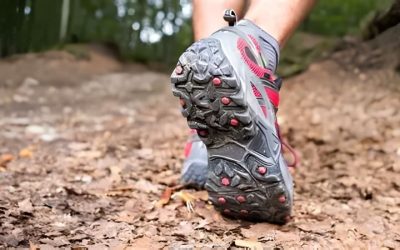
Grippy outsoles matter even on easy trails, especially on wet rock and loose dirt. Vibram and Contagrip compounds handle mixed ground well. Match the tread to your surfaces, since deep lugs feel awkward on the hardpack many day hikes cross.
Waterproofing is optional for day hikes. A membrane helps on dewy or muddy trails but runs warm, while breathable mesh dries fast and stays cool. Choose based on your climate and whether you cross water on your usual routes.
Weight and Fit
Lighter shoes reduce fatigue on longer day hikes, but fit matters more than grams. Merrell and Keen run wide with roomy toe boxes, while Salomon runs narrow. A shoe matched to your foot shape prevents the blisters that cut a good day short.
Try shoes late in the day with hiking socks and leave room at the toe for descents. Comfort and fit out of the box are the strongest signals that a day shoe will serve you well.
Top Picks: The Best Day Hiking Shoes
These are our favorite day hiking shoes for 2026, chosen to span budget to premium and wide to narrow fits. The table gives a fast overview; the write-ups explain who each shoe suits and the honest compromise behind each pick.
| Model | Type | Weight (per shoe) | Fit | Best For |
|---|---|---|---|---|
| Merrell Moab 3 WP | Day hiking | ~1 lb 14 oz | Medium-wide | Budget comfort |
| Salomon X Ultra 5 | Technical low | Light | Narrow | All-round performance |
| Keen Targhee IV Low WP | Day hiking | Heavier | Wide toe box | Wide feet |
| Hoka Anacapa 2 Low GTX | Cushioned low | Light | Medium | Cushioned comfort |
| Oboz Sawtooth X Low | Supportive low | Midweight | Medium | Arch support |
| Merrell Moab Speed 2 | Light hiker | ~14 oz | Medium | Fast and nimble |
Merrell Moab 3 Waterproof
The Moab 3 is the value benchmark for day hikes, near 1 lb 14 oz per shoe with a grippy Vibram TC5+ outsole and a comfortable, forgiving fit. It needs almost no break-in and lands under most competitors on price, making it an ideal everyday shoe.
It is not the most supportive option for rugged, off-trail terrain, and the waterproof version runs warm. For everyday trails and first-time buyers who want proven comfort at a fair price, though, few day shoes are as easy to recommend.
Salomon X Ultra 5
Best for all-round performance, the X Ultra 5 low is nimble, stable, and confident on technical ground. Its Advanced Chassis keeps the foot planted on rocky descents, and the Contagrip outsole grips well on mixed terrain at a quick day-hike pace.
It runs narrow, which excludes wide feet, and sits at a premium price. But for day hikers who move fast, tackle technical terrain, or want a shoe that performs like a trail runner with more protection, it is the standout pick.
Keen Targhee IV Low WP
The Targhee IV low is the wide-foot pick, with a roomy toe box, durable leather upper, and Keen’s proprietary waterproof liner. Its All-Terrain rubber grips well across surfaces, and the in-house materials keep the price reasonable for a durable shoe.
It is heavier than sleeker shoes and, being low-cut, offers modest support for heavier loads. For day hikers with wide feet who want toe room and long-haul durability, though, it remains one of the most comfortable choices available.
Hoka Anacapa 2 Low GTX
The Anacapa 2 low brings Hoka’s plush cushioning to a day shoe, with a soft, rockered midsole that soaks up hardpack and long descents. A waterproof membrane and protective toe make it a comfortable, forgiving choice for logging easy miles.
The tall, cushioned stack feels less precise on technical terrain, and it carries a premium price. For day hikers who prize underfoot comfort on maintained trails over ground feel, though, few shoes feel as easy on the feet.
Oboz Sawtooth X Low
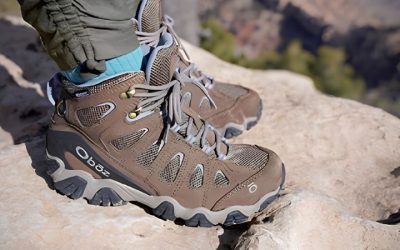
The Sawtooth X is the support-and-arch standout, pairing a supportive chassis with Oboz’s excellent O-Fit insole that many hikers love out of the box. Its grippy outsole and stable platform make it a confident choice for longer, rockier day hikes.
It is heavier and firmer than plush, minimal shoes, so it feels like more shoe on easy strolls. For day hikers who want strong arch support and stability without a full boot, though, it delivers a planted, comfortable ride.
Merrell Moab Speed 2
The Moab Speed 2 is the nimble, fast option, around 14 oz per shoe with a light, flexible build that feels closer to a trail runner. It moves quickly through scrambles and technical sections while still offering more protection than a running shoe.
The lightweight, low build means less support for heavy loads or rugged off-trail travel. For fast day hikers who want an agile, weightless feel on moderate trails, though, it is one of the most enjoyable shoes to wear.
What Tariffs and Timing Mean for Shoe Buyers in 2026
With day hiking shoes, 2026 pricing is shaped by trade policy and the calendar as much as by the shoe itself. Footwear is heavily imported, so reading the market helps you buy a good pair for less.
Import Tariffs and Footwear Prices
Nearly all hiking shoes are made overseas, and 2026 tariff policy remains unsettled after shifting court rulings and new investigations. Footwear prices sit in the storm as a result, and many brands admit future pricing is only a best guess.
That uncertainty favors buying a shoe you want when it is in stock at a fair price, rather than waiting for a drop that may never arrive. For imported footwear, locking in a good deal today is smart.
A Split Market and Closeout Deals
The 2026 market is bifurcated: premium brands raise prices, while mid-tier makers pass costs straight to buyers. That squeezes value shoppers, but it also opens deals in the gap between the tiers for patient hikers.
Retailers are clearing pre-tariff inventory through late 2026, so last season’s colorways appear at real markdowns. A previous-year shoe performs identically to this year’s model, making those closeouts the most dependable way to save.
Seasonal Timing
Timing rewards planning. Late August into September brings back-to-school stock and pre-sale pricing, with full size runs before popular sizes vanish. Amazon’s fall Prime event, expected in early October, is a strong window to buy shoes at a discount.
For the deepest cuts, Black Friday and Cyber Monday in late November lead the year. Buy early in a sale, since shoe sizes sell out fast once discounts go live and popular models disappear before the event ends.
Frequently Asked Questions
A few questions come up whenever hikers shop for day hiking shoes. Here are quick, practical answers to help you settle on the right comfortable pair.
Do I need waterproof shoes for day hikes?
Only if your trails are wet. Waterproof shoes help in dewy grass and mud but run warm and dry slowly once soaked. On dry or hot day hikes, breathable mesh that dries fast is usually the more comfortable choice.
Are hiking shoes better than boots for day hikes?
For light loads on non-technical trails, usually yes. Low-cut shoes are lighter, cooler, and more agile, reducing fatigue over a long day. Boots still win for heavy packs, rugged terrain, or deep water crossings.
How long do day hiking shoes last?
Typically 300 to 500 miles, depending on terrain and materials. Watch for packed-out cushioning and worn lugs, which signal reduced comfort and traction. Rotating pairs and avoiding the most abrasive ground can extend their useful life.
Can I wear these shoes casually?
Absolutely. Many day shoes look and feel comfortable enough for travel and everyday wear, which adds value. Just remember that road and pavement miles wear the outsole, so heavy casual use shortens their trail life.
See More:
Final Thoughts
There is no single winner among day hiking shoes, because the right pair depends on your terrain, comfort needs, and foot shape. Budget hikers should grab the Moab 3, wide feet love the Targhee IV, and technical trails call for the X Ultra 5. Whichever you pick, buy when stock and pricing align, since tariff uncertainty on imported footwear makes waiting a gamble in 2026.