
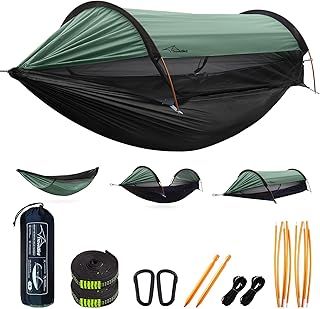
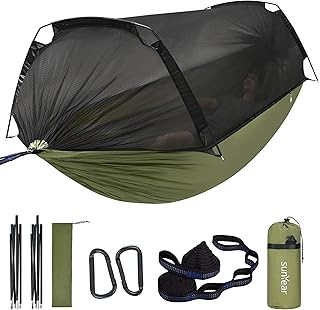
Best hammock tents take the comfort of hanging between two trees and add the protection of a real shelter, wrapping an integrated bug net and rainfly around you for a dry, bite-free night off the ground. The right system balances weather coverage and livability against packed weight, so you get tent-like security with a hammock’s airy comfort.
Our top picks


As an Amazon Associate we earn from qualifying purchases at no extra cost to you.
As an Amazon Associate we earn from qualifying purchases.
🛒 Best Price Today on Amazon
Prime members get fast, free shipping on everything above, plus member-only deals. New members get a 30-day free trial — cancel anytime.
Start 30-Day Prime Free Trial →See Today’s Amazon DealsHow to Choose the Best Hammock Tents
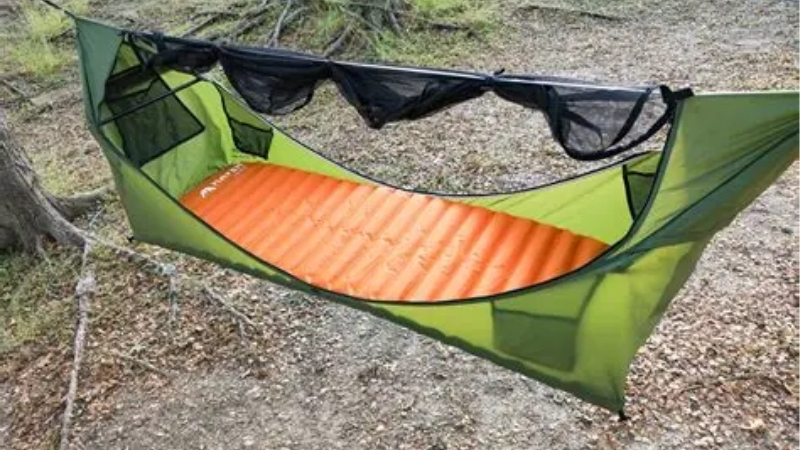
A hammock tent is a complete sleep system, not just a piece of fabric, so several features matter more than they would on a bare hammock. The best hammock tents match their bug protection, weather coverage, and weight to your trips, so weigh these factors before you buy.
Bug Net and Weather Protection
Bug protection is the whole point of most hammock tents. An integrated, full-coverage mosquito net seals you in from biting insects, and the best designs let you unzip or roll the net away when bugs are absent so you can enjoy the view. A full-length side zip makes entry and exit far easier.
Weather coverage keeps you dry and comfortable. A quality rainfly with a high hydrostatic head rating, often several thousand millimeters, sheds heavy rain, and a larger, lower-pitched tarp adds wind protection. Consider how storm-worthy your trips are, since a bigger fly means more security but also more weight and bulk.
Comfort, Lay, and Livability
Comfort comes down to the lay and the extras. Asymmetric designs let you lie flatter and more diagonally than a basic banana-shaped hang, which eases back strain over a full night. A built-in ridgeline sets a consistent sag, and a gear shelf or storage pocket keeps your phone and headlamp within reach.
Livability separates a shelter from a simple hammock. Room to sit up, a wide enough body for side sleepers, and easy access all make a night more pleasant. Some models even convert to a ground tent using trekking poles when trees are scarce, adding real flexibility for varied terrain.
Weight, Warmth, and Buying Timing
Weight matters most if you carry the system far. Ultralight hammock tents can dip near two pounds for backpacking, while feature-rich or convertible models climb well past six, so match the weight to whether you hike in or car camp. A lighter kit is easier to justify on long trails.
Warmth is the hammocker’s hidden challenge, since cold air beneath you steals heat, so plan for an underquilt or pad below about 60 degrees. On timing, hammock camping gear sells fastest in warm months and makes a popular gift, and with tariffs nudging fabric prices up, buying ahead of the season secures your model at a fair price.
Top Picks for the Best Hammock Tents
These best hammock tents span classic all-in-one systems, a long-distance hiker favorite, and a versatile convertible, covering ultralight backpacking and comfort-focused camping alike. Each entry lists the ideal user and an honest drawback, with the table offering a quick weight, coverage, and use comparison first.
| Model | Weight Class | Coverage | Best For |
|---|---|---|---|
| Hennessy Expedition Asym Zip | Moderate | Bug net + rainfly | All-around shelter |
| Warbonnet Blackbird | Light-moderate | Side-zip net + tarp | Long-distance hiking |
| Kammok Mantis UL | Ultralight | Integrated net + fly | Weight-to-comfort |
| Lawson Blue Ridge | Heavy | Net + fly + ground mode | Versatile terrain |
| Grand Trunk Skeeter Beeter Pro | Moderate | Built-in bug net | Budget entry |
Hennessy Expedition Asym Zip
The Expedition Asym Zip is the classic all-in-one hammock tent and a great all-around pick. It integrates a full bug net and a rainfly into one system, uses a durable polyurethane-coated ripstop, and its asymmetric design plus bottom or side entry gives a comfortable, protected night. Everything you need comes in the package.
It is heavier and a bit more involved to set up than a bare hammock, and the enclosed design takes getting used to. For campers who want a complete, weather-ready shelter that has been proven over decades, though, it is a dependable, comfortable choice that handles bugs and rain with ease.
Warbonnet Blackbird
The Blackbird is the long-distance hiker’s favorite, prized for its thoughtful design. Breathable DWR-treated nylon, a full-length side zip that rolls the bug net away, and a handy interior storage shelf for your phone and water bottle make it exceptionally livable, and multiple weight capacities plus an XL version fit taller folks.
Suspension is included, but carabiners and stakes cost extra, and it commands a premium price. For serious backpackers who want a refined, comfortable, well-featured shelter and are willing to pay for it, though, it is a beloved standout among the best hammock tents on the trail.
Kammok Mantis UL
The Mantis UL is the pick for the best weight-to-comfort ratio. At around two pounds seven ounces it integrates the hammock, bug net, and rainfly into one packable system, offering more real comfort than the very lightest kits while staying genuinely backpacking-friendly. It sets up quickly and tears down fast in the morning.
It is pricey and, like all ultralight shelters, its confines are cozy rather than roomy. For backpackers who want a complete, protected hammock shelter without a heavy weight penalty, though, it strikes an excellent balance and earns its spot for weekend and thru-hike trips alike.
Lawson Blue Ridge
The Blue Ridge is the versatile pick that doubles as a ground tent. It hangs between two trees like a hammock or pitches on the ground with trekking poles when trees are scarce, includes a full-zip bug net and a heavily waterproof rainfly, and often bundles an insulated pad, so you always have shelter regardless of terrain.
The big trade-off is weight, as it is the heaviest option here at well over six pounds, and some users note the hang can feel tippy if you roll off center. For campers who want guaranteed shelter on varied terrain and value that dual-mode flexibility, though, it is uniquely capable.
Grand Trunk Skeeter Beeter Pro
The Skeeter Beeter Pro is the budget-friendly entry point for hammock camping. It adds a built-in mosquito net to a comfortable single hammock at an approachable price, delivering the basic features you need for a bug-free night under the stars without the cost of a full premium shelter system.
It requires a little more setup effort than pricier options and lacks an integrated rainfly, so you will want a separate tarp for wet weather. For anyone testing whether hammock camping suits them, though, it is a comfortable, affordable way to start without a big investment.
Frequently Asked Questions
Campers tend to ask the same practical questions before buying the best hammock tents, mostly about warmth, rain, and setup. Here are direct answers.
Are hammock tents warm enough for cold nights?
Not on their own, since cold air beneath you strips heat away. Below about 60 degrees you need an underquilt hung under the hammock, or a sleeping pad inside, plus a top quilt or bag rated for the conditions. With proper insulation, hammock tents sleep comfortably in surprisingly cool weather.
Do hammock tents keep the rain out?
The good ones do, thanks to an integrated rainfly with a high waterproof rating. A larger, lower-pitched fly sheds heavy rain and adds wind protection, while a minimal fly suits fair weather only. Pitch the fly taut and low in storms, and your gear and body stay dry through serious rain.
How hard is it to set up a hammock tent?
Most hang in a few minutes once you learn the system, using tree straps and a ridgeline to dial in the sag. Feature-rich or convertible models take a bit more effort than a bare hammock. Practicing in the backyard first makes trailside setup fast and stress-free, even in fading light.
Can hammock tents be used on the ground?
Some can. Convertible models like the Lawson Blue Ridge pitch as a ground tent using trekking poles when trees are unavailable, which is a real advantage in open terrain. Most dedicated hammock tents, though, require two trees, so check whether a model offers a ground option if you camp where trees are scarce.
See More:
- Best hunting trekking poles
- Best headlamp Reddit
- Best headlamp for hard hats
- Best hard hat headlamp
- Best portable camping chair
Final Thoughts
The best hammock tents wrap tent-like bug and weather protection around the airy comfort of a hang, from a proven Hennessy all-in-one to a versatile, ground-capable Lawson. Weigh coverage and livability against packed weight, plan for insulation on cold nights, buy ahead of the season, and the right hammock tent will give you a dry, bug-free night off the ground.


Write Your Review
No reviews yet. Be the first to share your experience!