
Key takeaways
- Baitcasting rods handle heavier line and lures with more power and accuracy, ideal for jigs, spinnerbaits, and flipping into cover.
- Spinning rods excel with light line and finesse presentations like drop-shot, wacky rig, and small soft plastics.
- Beginners often start with a spinning combo because it is easier to cast without backlash.
- Serious bass anglers usually own both to cover the full range of techniques.
Bass fishing rewards the angler who matches the rod to the technique, and punishes the one who tries to do everything with a single cheap combo. The rod is your connection to the fish; its power, action, and length dictate how far you cast, how well you feel a bite, and whether you can horse a big largemouth out of heavy cover. Choosing well is not about spending the most, it is about understanding a handful of specs and matching them to how you like to fish.
This ultimate guide breaks down rod power, action, length, and casting versus spinning setups for bass, then points to real options from a $21 beginner combo to a $51 twin-tip casting rod. By the end you will know exactly what to look for whether you are flipping jigs into cover or finessing a drop-shot on clear water.
Our top picks


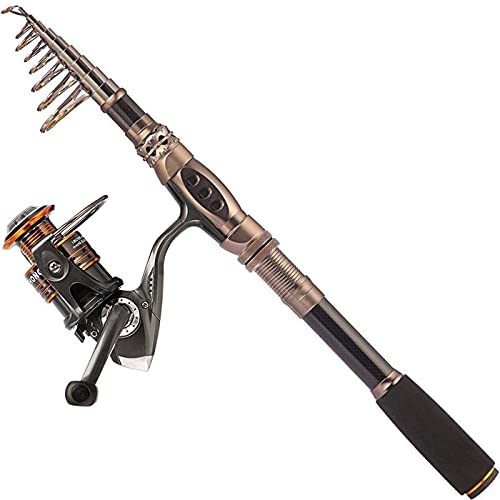


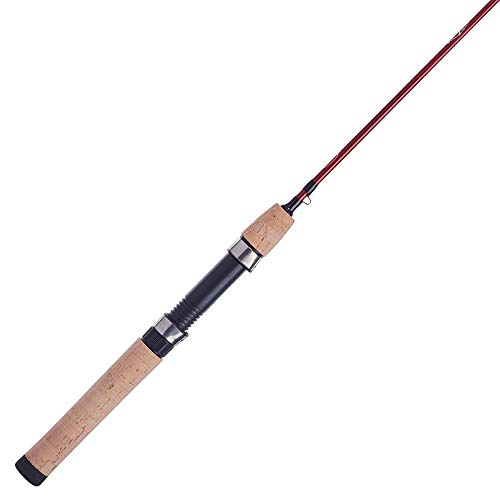
As an Amazon Associate we earn from qualifying purchases at no extra cost to you. Ratings are shown as listed on Amazon.
⚡ Save on Your Next PC — Amazon Prime
Prime members get fast free shipping on the systems above, plus early access to Prime Day & Black Friday PC deals. New members get a 30-day free trial.
Watch: The Ultimate Guide to Choosing a Fishing Rod for Bass Fishing — Video Review
Understanding Rod Power and Action
Power describes how much force it takes to bend the rod: light and medium-light suit finesse tactics and small lures, medium and medium-heavy are the versatile bass workhorses, and heavy is for pulling fish out of thick cover. Action describes where the rod flexes: fast action bends near the tip for sensitivity and quick hooksets, while moderate action bends deeper for longer casts and treble-hook baits. A medium-heavy, fast rod like the KastKing Spartacus II casting model is the classic all-around bass choice.
Casting vs Spinning Rods
- Baitcasting rods handle heavier line and lures with more power and accuracy, ideal for jigs, spinnerbaits, and flipping into cover.
- Spinning rods excel with light line and finesse presentations like drop-shot, wacky rig, and small soft plastics.
- Beginners often start with a spinning combo because it is easier to cast without backlash.
- Serious bass anglers usually own both to cover the full range of techniques.
Choosing the Right Length
Rod length trades casting distance for accuracy and control. A 6’8″ to 7′ rod like the KastKing Spartacus II 6’8″ is a versatile all-purpose length, easy to handle and accurate around cover. Longer 7’3″ and up rods, such as the Spartacus II spinning version, cast farther and give more leverage for hooksets on big water, while shorter rods offer pinpoint control in tight spots. For a first bass rod, 6’8″ to 7′ is the safest starting point.
Material and Components
Graphite and carbon-fiber blanks are sensitive and lightweight, transmitting subtle bites, while fiberglass is more forgiving and durable for beginners and treble-hook baits. Quality guides, like the stainless steel guides on the Sougayilang combo, reduce friction and resist wear from braided line. If a favorite rod tip breaks, a repair kit such as the FishTrip ceramic guide set can save the blank rather than forcing a full replacement.
Tips
- Match line weight to the rod rating printed above the handle for the best casting and hooksetting.
- Start with a medium-heavy, fast rod if you only buy one; it covers most bass techniques.
- Pair a telescopic or two-piece rod like the PLUSINNO or Ghosthorn kits for easy travel and storage.
- Keep a rod repair kit in your tackle bag to fix a broken tip on the water.
Frequently Asked Questions
What rod power is best for bass fishing?
Medium-heavy is the most versatile power for bass, handling everything from spinnerbaits to jigs. Pair it with a fast action for sensitivity and strong hooksets, and you have a rod that covers the majority of bass situations.
Should a beginner use a casting or spinning rod?
Beginners usually find spinning rods easier because they cast light lures without the backlash that baitcasters can produce. Start with a medium spinning combo, then add a baitcaster as you move to heavier lures and cover.
What length rod should I buy for bass?
A 6’8″ to 7′ rod is the ideal all-around length, balancing casting distance with accuracy and control. Go longer for more distance on big water, shorter for pinpoint casts in tight cover.
Is an expensive rod worth it for bass?
A mid-range graphite rod offers most of the sensitivity and performance you need; premium rods refine feel and weight but are not essential to catch fish. Beginners are well served by an affordable quality combo before upgrading.
Conclusion
Choosing a bass rod comes down to matching power, action, length, and rod type to your technique. A medium-heavy, fast rod around 6’8″ to 7′ is the versatile starting point, with spinning setups for finesse and baitcasters for power fishing. Affordable options from beginner combos to twin-tip KastKing rods make it easy to build the right arsenal. Understand the specs, match them to how you fish, and the rod will do its part when the bass bites.

Write Your Review
No reviews yet. Be the first to share your experience!