
Key takeaways
- Navigation: map, compass, or a GPS device, not just a phone.
- Insulation: an extra warm layer and rain shell regardless of forecast.
- Water and filter: enough to reach the next reliable source, plus purification.
- Food: more calories than you think you need, in quick-access snacks.
- First aid, headlamp, fire, sun protection, and a repair kit: the small items that turn an emergency into an inconvenience.
A challenging mountain hike lives or dies by what is on your back. Pack too little and you are caught out by a sudden storm, an injury, or a longer day than planned; pack too much and the weight grinds you down before you reach the summit. Packing a daypack well is a skill: it is about carrying the right gear in the right order so the essentials are reachable, the load rides comfortably, and nothing rattles loose on a scramble.
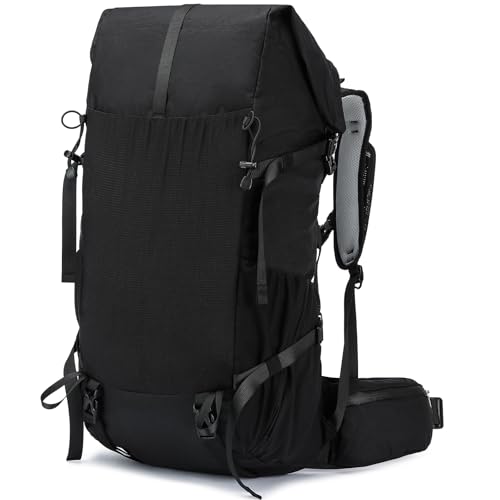
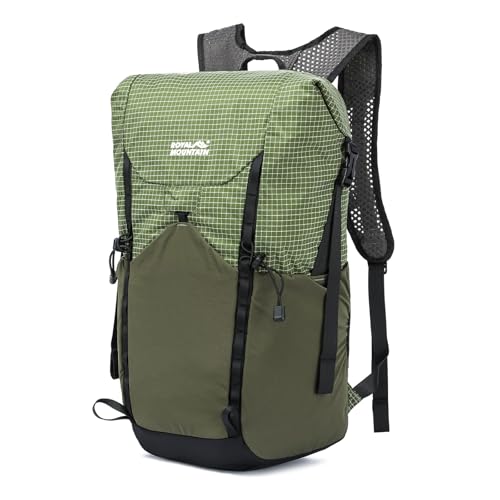
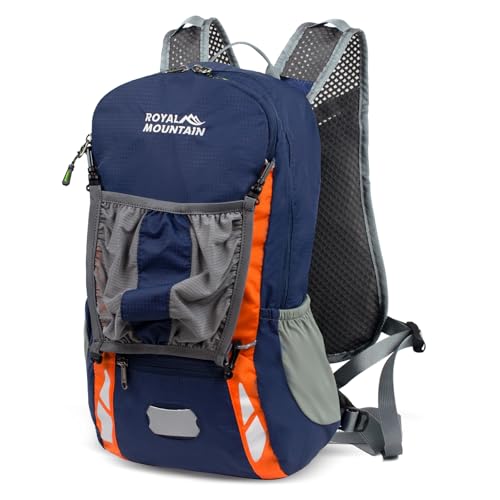
This guide walks through how to choose and pack a daypack for demanding terrain, covering capacity, load placement, the ten essentials, and hydration strategy. We reference real packs from an 18L hydration daypack to a 40-to-50L extra-large hauler and a technical 28L alpine pack, so you can match the bag to the mountain.
Our top picks




As an Amazon Associate we earn from qualifying purchases at no extra cost to you. Ratings are shown as listed on Amazon.
⚡ Save on Your Next PC — Amazon Prime
Prime members get fast free shipping on the systems above, plus early access to Prime Day & Black Friday PC deals. New members get a 30-day free trial.
Watch: How to Pack a Daypack for a Challenging Mountain Hike — Video Review
Choosing the Right Daypack Size
For a hard single-day mountain hike, 18 to 30 liters is the sweet spot. A compact 18L hydration pack like the EVERFUN with a 2L bladder suits fast, light summit pushes in fair weather, while a technical pack such as the Deuter Durascent 28L SL carries extra layers, food, and safety gear for longer or colder days. Extra-large 40-to-50L packs are useful only if you are carrying group gear, ropes, or overnight-capable loads; for most day hikes they tempt you to overpack.
The Ten Essentials
- Navigation: map, compass, or a GPS device, not just a phone.
- Insulation: an extra warm layer and rain shell regardless of forecast.
- Water and filter: enough to reach the next reliable source, plus purification.
- Food: more calories than you think you need, in quick-access snacks.
- First aid, headlamp, fire, sun protection, and a repair kit: the small items that turn an emergency into an inconvenience.
How to Load a Daypack
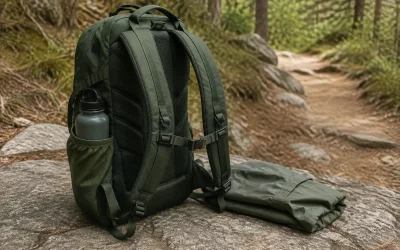
Weight placement is everything on steep terrain. Put heavy items like water and food close to your spine and centered between your shoulder blades, so the load sits over your hips rather than pulling you backward. Pack medium-weight gear like layers around the heavy core, and keep light, bulky items low or on top. Stash rain gear, snacks, map, and headlamp in the lid or hip-belt pockets where you can grab them without stopping to dig.
Hydration Strategy
On a strenuous climb you can lose a liter of sweat an hour, so plan water carefully. A hydration bladder like the 2L reservoir in the EVERFUN pack lets you sip constantly without stopping, which keeps you steadier than waiting for thirst. Carry a rough plan for where you will refill, add a filter if natural sources exist, and pack electrolytes for long, hot days to avoid cramping.
Tips
- Use the hip belt properly, transferring most of the weight off your shoulders onto your hips.
- Keep the load balanced left to right so the pack does not pull you off-line on scrambles.
- Pack a rain cover or line the pack with a bag to keep gear dry in a downpour.
- Cinch compression straps to stop contents shifting on descents.
Frequently Asked Questions
What size daypack is best for a hard day hike?
18 to 30 liters covers most challenging single-day hikes. Smaller hydration packs suit fast fair-weather summits, while a 28L-class pack carries the extra layers, food, and safety gear a demanding or cold day demands.
How should I distribute weight in my pack?
Place heavy items close to your spine and centered between your shoulder blades so the load rides over your hips. Keep medium items around that core and light gear on top, which keeps you balanced on steep ground.
Should I use a hydration bladder or bottles?
A bladder lets you sip continuously without stopping, which helps you stay hydrated on hard climbs, while bottles are easier to monitor and refill. Many hikers carry a bladder plus one bottle with electrolytes for the best of both.
What are the ten essentials?
They are navigation, sun protection, insulation, illumination, first aid, fire, a repair kit, extra food, extra water, and emergency shelter. Carrying them turns most mountain mishaps from emergencies into manageable inconveniences.
Conclusion
Packing a daypack for a challenging mountain hike is about discipline and order: choose an 18-to-30L pack sized to the day, carry the ten essentials without overloading, place heavy weight against your spine and over your hips, and plan your water so you never run dry. Match the bag to the mountain, from a light hydration pack for fast summits to a technical 28L for demanding days, and you will climb comfortably and come home safe.

Write Your Review
No reviews yet. Be the first to share your experience!