
Best theatre binoculars bring an actor’s expression, a soloist’s fingers, or a costume’s detail right to your seat, whether you sit in the balcony or the stalls. Unlike outdoor optics, these need modest magnification, close focus that works across a hall, and bright glass to cut through dim, moody stage lighting.
Our top picks


As an Amazon Associate we earn from qualifying purchases at no extra cost to you.
As an Amazon Associate we earn from qualifying purchases.
🛒 Best Price Today on Amazon
Prime members get fast, free shipping on everything above, plus member-only deals. New members get a 30-day free trial — cancel anytime.
Start 30-Day Prime Free Trial →See Today’s Amazon DealsHow to Choose the Best Theatre Binoculars
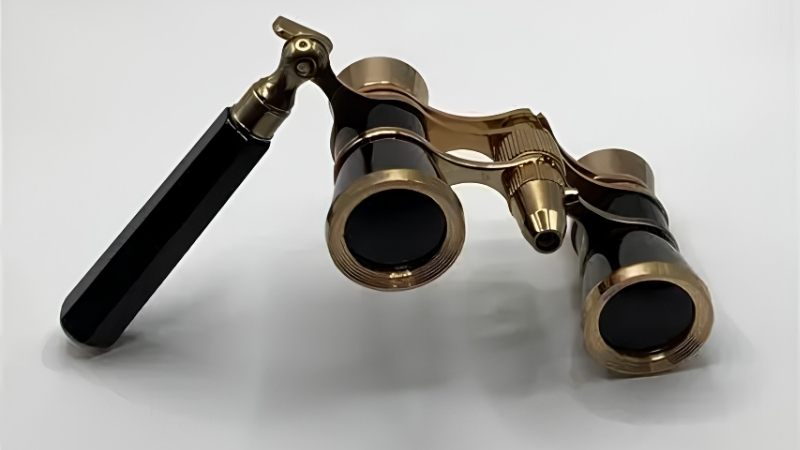
Indoor optics have very different needs from outdoor ones, so a hunting or birding pair is usually the wrong tool for a night at the opera. The best theatre binoculars pair low, steady magnification with close focus and bright glass, so weigh these points before you buy rather than chasing the biggest numbers.
Magnification and Field of View
Lower power is a feature, not a compromise, in a theatre. A magnification of roughly three to eight times keeps the image steady in your hands, since higher power amplifies every tremor and narrows the view. A wide field of view lets you take in the whole stage without constantly panning, which matters during fast-moving scenes.
Balance reach against steadiness for your venue. A grand opera house or concert hall, where the stage sits farther away, rewards a touch more magnification, while an intimate theatre needs very little. When in doubt, a modest, wide-view pair is more pleasant across a whole performance than a high-power model you struggle to hold still.
Close Focus and Bright Optics
Close focus is the spec most people overlook and the one that matters most indoors. Many outdoor binoculars will not focus on a stage just a couple of dozen feet away, leaving the image blurry. Look for a short minimum focusing distance so front and mid-hall seats stay sharp, a trait a few compact models excel at.
Bright glass makes or breaks the view under stage lighting. Theatre houses are dim, with spotlights on small areas, so fully multi-coated optics and quality BaK-4 prisms transmit far more light than cheap single-coated glass, delivering vivid colour and sharp edges rather than a muddy image. Prioritize coatings over headline magnification here.
Size, Comfort, and Style
Comfort matters across a performance that can run for hours. A lightweight, pocketable pair is easy to raise and lower and simple to stash at intermission, while a heavy binocular tires your arms during a long act. Longer eye relief and twist-up eyecups keep the view comfortable, especially for glasses wearers.
Style is part of the appeal for many theatregoers. Classic opera glasses lean elegant and decorative, while modern compacts prioritize pure optical performance, and both can look the part. On timing, theatre season runs strongest through autumn and winter and these compacts make popular gifts, so buying ahead of the holiday rush secures stock and a fair price as optics costs edge up.
Top Picks for the Best Theatre Binoculars
These best theatre binoculars span a versatile close-focus standout, classic opera glasses, and a premium compact, covering intimate theatres and grand concert halls alike. Each entry lists the ideal user and an honest drawback, with the table offering a quick magnification, close-focus, and use comparison first.
| Model | Config | Standout | Best For |
|---|---|---|---|
| Pentax Papilio II | 6.5×21 | Very close focus | Versatile all-around |
| Pentax VD 4×20 | 4×20 | Waterproof opera glass | Modern compact |
| Bushnell Xtra-Wide | 4×30 | 900-ft field of view | Wide-view value |
| Leica Ultravid 8×20 BCL | 8×20 | Premium glass, elegant | Larger halls |
| Classic Opera Glasses | 3×25 | Elegant styling | Decorative gifting |
Pentax Papilio II
The Papilio II is the standout thanks to its remarkable close focus, which lets you focus on a stage just a couple of feet away, unheard of in most binoculars. At 6.5×21 with fully multi-coated optics, BaK-4 prisms, aspherical lenses, and 15mm eye relief, it delivers bright, sharp, true-to-colour views and doubles beautifully for concerts, travel, and nature.
It costs more than simple opera glasses and its 6.5x power is slightly above the classic low-power look, so purists after pure decoration may hesitate. For anyone who wants one versatile, genuinely excellent pair for the theatre and beyond, though, its close focus and optics make it the easy top recommendation.
Pentax VD 4×20
The Pentax VD 4×20 is the pick for a modern, do-it-all compact. It offers 4x magnification, fully multi-coated optics, a close focus around half a metre, twist-up eyecups, and a fully waterproof body, wrapped in a clever design. That combination makes it a versatile little optic that suits the theatre and outdoor use equally.
Its mix of BaK-4 and BK7 glass is a slight step below all-BaK-4 optics, and 4x is modest for a large hall’s far reaches. For an intimate theatre or as an all-purpose compact, though, its close focus, weatherproofing, and comfort make it a genuinely useful and refined choice.
Bushnell Xtra-Wide 4×30
The Bushnell Xtra-Wide is the value pick for anyone who prizes a huge field of view. Its standout roughly 900-foot field at 1,000 yards lets you take in the entire stage at once, and with BaK-4 prisms and fully multi-coated optics at a budget price, it delivers bright, wide views for the money.
Its 4x power is low for larger venues, so distant stages appear modest, and the build is more functional than elegant. For theatregoers who want to see the whole scene rather than zoom on one performer, though, that expansive field of view is a genuine and affordable strength.
Leica Ultravid 8×20 BCL
The Leica Ultravid 8×20 is the premium pick for larger concert halls and buyers who want top glass. Its 8x magnification reaches farther for distant stages, the optics are superbly bright and sharp, and the leather-finished, fold-down body slips into a pocket while looking every bit the luxury item. It is elegance and performance together.
The obvious drawback is a premium price, and 8x can feel a touch shaky in unsteady hands, so a brace helps. For theatregoers who attend larger venues and want the finest compact view with the elegance to match, though, it is a beautiful, aspirational choice.
Classic Opera Glasses
Classic 3×25 opera glasses, often with a decorative handle, are the pick for pure elegance and gifting. Their low magnification and traditional styling capture the timeless theatre look, they are featherlight and simple to raise, and they make a charming, affordable present for a keen theatregoer or a special night out.
Optically they are basic, so image sharpness and low-light performance trail dedicated compacts, and 3x offers limited reach in a big hall. For intimate venues, casual use, and their sheer decorative charm, though, they remain a beloved and budget-friendly entry into the best theatre binoculars field.
Frequently Asked Questions
Theatregoers tend to ask the same practical questions before buying the best theatre binoculars, mostly about magnification, close focus, and glare. Here are direct answers.
What magnification is best for theatre binoculars?
For most theatres, roughly three to five times is ideal, keeping the image steady and the field wide. Larger concert halls, where the stage sits farther away, can justify six to eight times. Higher power magnifies hand shake and narrows the view, so favour a lower, steadier magnification unless your venue is genuinely large.
Why does close focus matter indoors?
Because the stage may be just a couple of dozen feet away, and many binoculars cannot focus that close, leaving the image blurry. A short minimum focusing distance keeps front and mid-hall seats sharp. Models like the Pentax Papilio II excel here, which is why close focus is a key spec for indoor use.
Can I use regular binoculars at the theatre?
You can, but many outdoor binoculars will not focus close enough and are too high-powered for a steady indoor view. A compact pair with modest magnification and short close focus performs far better in a hall. If you already own binoculars, check their minimum focus distance before relying on them for a performance.
Are expensive theatre binoculars worth it?
It depends on how often you attend and your venue. For occasional visits to intimate theatres, an affordable pair with good coatings is plenty. Frequent operagoers or those in large halls benefit from brighter glass and better reach. Prioritize multi-coated optics and close focus over brand prestige for the best value at any price.
See More:
- Best hunting trekking poles
- Best headlamp Reddit
- Best headlamp for hard hats
- Best hard hat headlamp
- Best portable camping chair
Final Thoughts
The best theatre binoculars are the ones whose magnification, close focus, and glass match your venue and your taste, from a versatile close-focus Pentax to elegant classic opera glasses. Prioritize modest, steady power, a short focusing distance, and bright multi-coated optics over headline numbers, buy ahead of the season, and the right theatre binoculars will bring every performance vividly to your seat.


Write Your Review
No reviews yet. Be the first to share your experience!