
Best theater binoculars turn a distant balcony seat into a front-row view, pulling an actor’s expression, a dancer’s footwork, or a musician’s hands into sharp focus. Because a stage is close and the house is dim, these compact optics need low, steady magnification, short close focus, and bright glass rather than high power.
Our top picks


As an Amazon Associate we earn from qualifying purchases at no extra cost to you.
As an Amazon Associate we earn from qualifying purchases.
🛒 Best Price Today on Amazon
Prime members get fast, free shipping on everything above, plus member-only deals. New members get a 30-day free trial — cancel anytime.
Start 30-Day Prime Free Trial →See Today’s Amazon DealsHow to Choose the Best Theater Binoculars
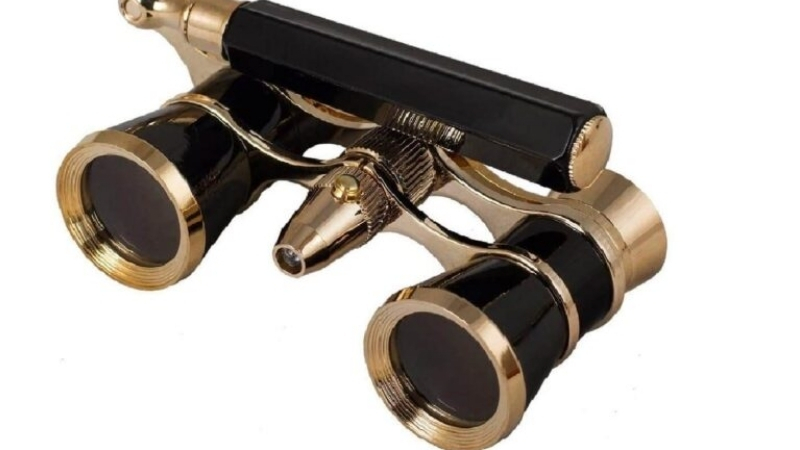
A pair built for birding or hunting is usually wrong for a Broadway show, since indoor viewing has its own rules. The best theater binoculars balance modest magnification, close focus, and light-gathering glass in a compact body, so weigh these factors before you buy rather than reaching for the highest-power model on the shelf.
Magnification for a Steady View
Modest power wins indoors. A magnification around three to eight times gives a useful boost while keeping the image steady, because higher power amplifies hand shake and shrinks the field so you lose the wider scene. For most theaters, a lower power is easier to hold and more pleasant across a full show.
Tailor the power to your venue and seat. A concert hall or large auditorium with a far stage can justify six to eight times, while an intimate theater needs very little. If you sit in a range of venues, a versatile mid-range pair or one with a wide field of view adapts best from show to show.
Close Focus and Light Transmission
Close focus is the make-or-break spec indoors. A stage can sit just a couple of dozen feet away, and many outdoor binoculars simply cannot focus that close, so the image stays blurry. Look for a short minimum focusing distance, a trait certain compact models are specifically engineered to deliver for front and mid-house seats.
Light transmission decides how the view holds up under dim, spotlit staging. Fully multi-coated lenses and BaK-4 prisms move far more light to your eye than cheap single-coated glass, producing bright, vivid, sharp images instead of a dim, muddy one. At this size, coating quality matters more than a bigger magnification number.
Portability, Comfort, and Timing
A pocketable pair is the one you will actually bring. Lightweight compacts are easy to raise, lower, and tuck away at intermission, while a heavy binocular tires your arms during a long act. Longer eye relief and adjustable eyecups keep the view comfortable through a full performance, especially for glasses wearers.
Timing helps your wallet. Theater and concert season peaks through fall and the holidays, and these compacts are popular gifts, so stock of favorite models tightens and prices can edge up late in the year, partly as tariffs raise optics costs. Buying early secures the model you want at a fair price before the rush.
Top Picks for the Best Theater Binoculars
These best theater binoculars span a versatile close-focus standout, wide-view value options, and a pocket compact, covering Broadway houses, opera halls, and arena concerts alike. Each entry lists the ideal user and an honest drawback, with the table offering a quick magnification, standout, and use comparison first.
| Model | Config | Standout | Best For |
|---|---|---|---|
| Pentax Papilio II | 6.5×21 | Very close focus | Versatile all-around |
| Bushnell Xtra-Wide | 4×30 | 900-ft field of view | Whole-stage view |
| Vortex Vanquish | 8×26 | Reach + VIP warranty | Large venues |
| Nikon Aculon T02 | 8×21 | Lightweight, budget | Everyday carry |
| Celectigo Opera Glasses | 3×25 | Handle, elegant styling | Gifting |
Pentax Papilio II
The Papilio II is the standout for its extraordinary close focus, letting you sharply view a stage just a couple of feet away, which most binoculars cannot do. At 6.5×21 with fully multi-coated optics, BaK-4 prisms, and aspherical lenses, it delivers bright, true-color images and long eye relief, and it doubles for concerts, travel, and nature watching.
It costs more than basic opera glasses and its 6.5x power is slightly above the classic low-power feel, so buyers wanting pure simplicity may pause. For anyone who wants one genuinely excellent, versatile pair for the theater and everything else, though, its close focus and optics make it the clear top pick.
Bushnell Xtra-Wide 4×30
The Bushnell Xtra-Wide is the value pick for theatergoers who want to see the whole stage. Its roughly 900-foot field of view at 1,000 yards is enormous, so you take in the entire scene without panning, and BaK-4 prisms with fully multi-coated optics keep the wide view bright and clear at a friendly price.
Its 4x magnification is low for large auditoriums, so a distant stage looks modest, and the styling is practical rather than elegant. For anyone who values a sweeping, whole-stage view and easy tracking of fast action over zooming on one face, though, its wide field is a real, affordable strength.
Vortex Vanquish 8×26
The Vortex Vanquish is the pick for larger venues and arena concerts where the stage is farther off. Its 8x magnification reaches distant performers, the compact body slips into a pocket, and Vortex’s unconditional VIP warranty covers damage with no receipt, adding real long-term value at a modest price.
The 8x power can feel shaky in unsteady hands, so a brace or railing helps, and the 26-millimeter lenses gather less light than larger optics in a very dim house. For big theaters and concert halls where reach matters most, though, it is a capable, well-backed compact.
Nikon Aculon T02 8×21
The Nikon Aculon T02 is the lightweight everyday pick, a tiny 8×21 compact that weighs almost nothing and folds to fit a jacket pocket or small bag. Multi-coated optics keep images reasonably bright, and the low price makes it an easy grab for the occasional show, sporting event, or day trip.
Its small 21-millimeter lenses limit brightness in the dimmest houses, and the close focus is longer than a dedicated theater model like the Papilio. For casual theatergoers who want an affordable, ultra-portable pair for occasional use, though, it is a sensible, no-fuss choice.
Celectigo Opera Glasses 3×25
Celectigo’s 3×25 opera glasses, complete with a decorative handle, are the pick for classic style and gifting. Their low magnification and traditional look nail the timeless theater aesthetic, they are featherlight and simple to raise for a quick close-up, and they make a charming, affordable present for a special night out.
Optically they are basic, so sharpness and low-light performance trail dedicated compacts, and 3x offers little reach in a large hall. For intimate venues, casual use, and their decorative appeal, though, they are a fun, budget-friendly entry into the best theater binoculars field.
Frequently Asked Questions
Theatergoers tend to ask the same practical questions before buying the best theater binoculars, mostly about magnification, close focus, and venue size. Here are direct answers.
What magnification do I need for theater binoculars?
For most theaters, three to five times keeps the view steady and wide, while larger concert halls and arenas justify six to eight times for the extra reach. Higher power magnifies hand shake and narrows the field, so pick the lowest magnification that still brings the stage close enough for your usual seats.
Do theater binoculars need close focus?
Yes, close focus is one of the most important specs indoors. A stage may be only a couple of dozen feet away, and many binoculars cannot focus that near, leaving the view blurry. A short minimum focusing distance, which models like the Pentax Papilio II excel at, keeps front and mid-house seats sharp.
What size binoculars are best for concerts?
Compact 8×21 to 8×26 models strike a good balance for concerts, offering enough reach for a large venue while staying pocketable. In very dim halls, slightly larger objectives gather more light. For arena shows where the stage is far off, prioritize a bit more magnification; for intimate clubs, a lower-power compact is plenty.
Are cheap theater binoculars good enough?
For occasional use in smaller venues, an affordable pair with multi-coated optics works well. Frequent theatergoers and those in large halls benefit from brighter glass and better close focus. Prioritize coating quality and a short focusing distance over the lowest price, since the cheapest models often disappoint under dim stage lighting.
See More:
- Best hunting trekking poles
- Best headlamp Reddit
- Best headlamp for hard hats
- Best hard hat headlamp
- Best portable camping chair
Final Thoughts
The best theater binoculars are the ones whose magnification, close focus, and brightness match your venue and how often you attend, from a versatile close-focus Pentax to a pocketable compact for arena shows. Prioritize steady, modest power, a short focusing distance, and bright multi-coated optics over big numbers, buy ahead of the season, and the right theater binoculars will bring every show close.


Write Your Review
No reviews yet. Be the first to share your experience!