
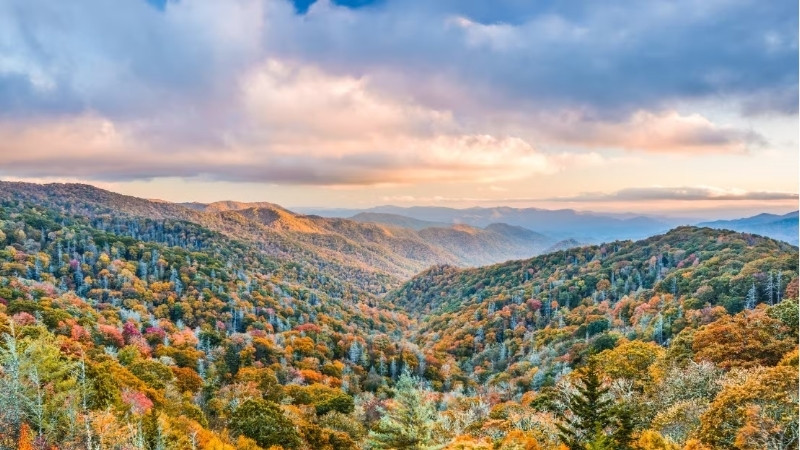
Best hiking trails in the Smoky Mountains range from paved family strolls to lung-busting climbs, rewarding you with waterfalls, grassy balds and panoramic ridgelines. This guide to the best hiking trails in the Smoky Mountains ranks six standout hikes by difficulty and covers the gear you need to hike them safely in 2026.
Our top picks


![Great Smoky Mountains National Park [Map Pack Bundle] (National Geographic Trails Illustrated Map) | Books](https://m.media-amazon.com/images/I/819-h2hQ2aL._AC_UY218_.jpg)


As an Amazon Associate we earn from qualifying purchases at no extra cost to you.
As an Amazon Associate we earn from qualifying purchases.
🛒 Best Price Today on Amazon
Prime members get fast, free shipping on everything above, plus member-only deals. New members get a 30-day free trial — cancel anytime.
How to Choose the Best Hiking Trails in the Smoky Mountains
Great Smoky Mountains National Park has over 800 miles of trails, so picking the right one comes down to matching a hike to your fitness, time and the season. The best hiking trails in the Smoky Mountains reward preparation, since weather and crowds change fast here. Weigh four things before you go.
Match Difficulty to Your Fitness
Trails here run from flat, paved loops to steep, cable-assisted climbs. Be honest about your fitness and experience, and remember that elevation gain matters more than distance — a short, steep trail can be tougher than a long, flat one.
Families and beginners should start with easy, well-marked routes, while seasoned hikers can chase strenuous summits. The best hiking trails in the Smoky Mountains span both extremes, so building up gradually keeps the day fun rather than a grind, especially in the park’s humid summer heat.
Distance and Elevation Gain
Check both the round-trip distance and the total climb before committing. A trail like Ramsey Cascades packs roughly 2,200 feet of gain into eight miles, which is far more demanding than its distance alone suggests.
Plan on a slower pace than at home because of the terrain and humidity, and always leave a buffer of daylight. Turning around at a set time is smarter than pushing on and finishing a rocky descent in the dark.
Season and Trail Conditions
Spring brings wildflowers but muddy, high-water crossings, summer is lush and stormy, fall delivers famous foliage, and winter can bring ice and closures at elevation. Each season changes what gear and caution a trail demands.
Always check current trail and road status before you drive out, since sections close for maintenance, weather or bear activity. Afternoon thunderstorms are common in summer, so start early to be off exposed ridges by midday.
Parking and Crowds
The Smokies is the most-visited national park in the country, and popular trailheads fill by mid-morning on nice weekends. A parking tag is now required for vehicles, so buy one in advance and arrive early.
To dodge crowds, hike on weekdays, start at dawn, or choose lesser-known trails. Quieter routes often deliver the same scenery with a fraction of the foot traffic, making for a far more peaceful day out.
Top Trails to Hike in the Smoky Mountains
These six hikes are among the best hiking trails in the Smoky Mountains, ranked here from easy to strenuous to showcase the park’s finest waterfalls, views and forests. For each we note what makes it special and what to know before you go, so you can pick the right adventure for your day.
| Trail | Distance (RT) | Difficulty | Highlight |
|---|---|---|---|
| Clingmans Dome (Kuwohi) | 1 mile | Easy (steep, paved) | Highest-point views |
| Gatlinburg Trail | 3.8 miles | Easy | Dog and family friendly |
| Grotto Falls | 2.6 miles | Moderate | Walk behind the falls |
| Andrews Bald | 3.6 miles | Moderate | Grassy bald views |
| Alum Cave Bluffs | 4.4 miles | Moderate-strenuous | Arch Rock and bluffs |
| Ramsey Cascades | 8 miles | Strenuous | Tallest waterfall |
Clingmans Dome (Kuwohi) — Easiest Big View
At the park’s highest point of 6,643 feet, this half-mile paved climb to an observation tower delivers 360-degree panoramas for minimal distance. On clear days you can see ridgeline after ridgeline fading into the horizon.
The paved path is short but steep, and the high elevation makes it noticeably cooler and often cloudy, so bring a layer. Parking fills fast, and the road closes in winter, so plan your timing accordingly.
Gatlinburg Trail — Best Easy Family Hike
One of only two trails in the park that allow dogs and bikes, this flat, 3.8-mile out-and-back follows the river between Gatlinburg and Sugarlands, passing old homesites. It is ideal for families, casual walkers and four-legged companions.
Because it borders town and a road, it is not a wilderness experience and can be busy near the trailheads. For an easy, accessible stroll with river views, though, it is hard to beat close to Gatlinburg.
Grotto Falls — Best Waterfall for All Ages
This moderate 2.6-mile hike on the Trillium Gap Trail leads to the only waterfall in the park you can walk behind, through a cool old-growth forest. The mist behind the 25-foot falls is a magical, kid-friendly reward.
The trail is rooty and can be slippery, and the narrow Roaring Fork road to the trailhead closes in winter. Arrive early, as this popular spot and its small parking area fill quickly on nice days.
Andrews Bald — Best Moderate Views
Starting near Clingmans Dome, this 3.6-mile round trip on the Forney Ridge Trail descends to a grassy mountaintop meadow with sweeping southern views. In June, flame azaleas and rhododendrons put on a spectacular show.
The trail is rocky and root-strewn with some ups and downs on the return climb, so sturdy footwear helps. The high trailhead means cool, changeable weather, so pack a layer even on warm valley days.
Alum Cave Bluffs — Best Adventure Day Hike
This 4.4-mile round trip is one of the park’s most beloved, passing through the Arch Rock tunnel and past Inspiration Point to the towering Alum Cave bluffs. It is a scenic, feature-packed hike with a strenuous but rewarding climb.
The upper sections are steep with drop-offs and cable handrails, and the trail is heavily traveled, so start early. Continuing past the bluffs to Mount LeConte turns it into a serious 11-mile day for strong hikers.
Ramsey Cascades — Best Strenuous Waterfall
The park’s tallest waterfall, a 100-foot multi-tier cascade, rewards this challenging 8-mile round trip through magnificent old-growth forest. With roughly 2,200 feet of gain over rocky terrain, it is a bucket-list hike for fit adventurers.
The rocks near the falls are dangerously slick, and people have been injured climbing them, so admire from below. This is not a hike for young children or beginners, and it demands an early start and real preparation.
Essential Gear for Smoky Mountains Trails
The right gear turns a wet, rugged Smokies hike into a comfortable one. These four essentials cover the wet-weather, rocky-trail conditions you will meet on the best hiking trails in the Smoky Mountains.
Waterproof Hiking Boots
With frequent rain, mud and stream crossings, a waterproof boot with a grippy Vibram outsole is the single most useful purchase. A comfortable, well-cushioned pair like the Merrell Moab 3 Mid Waterproof handles roots and rock with little break-in.
Waterproof boots keep feet warm and dry on wet trails, though they run warmer in summer heat. Pair them with quick-dry synthetic or wool socks to prevent blisters on long, humid climbs.
Daypack With Hydration
A ventilated 20-to-22-liter daypack carries the ten essentials and a hydration reservoir without weighing you down. A pack such as the Osprey Talon 22 breathes well in the humidity and keeps water and snacks within easy reach.
Look for a hydration sleeve, hip-belt pockets and pole attachments. Line the pack with a dry bag in the Smokies, since the raincover is often an extra and afternoon storms arrive with little warning.
Water Filter
Humidity makes you sweat more than expected, so carry plenty of water and a lightweight filter for longer routes. A filter like the Sawyer Squeeze lets you refill from the park’s abundant streams instead of hauling a heavy day’s supply.
Filtering protects against waterborne illness from untreated sources, and it keeps your pack light on strenuous climbs. Add electrolytes on hot days to replace what you lose and stave off cramps and fatigue.
Trekking Poles and Rain Layer
Poles take real strain off knees on steep descents like Alum Cave, and a packable rain jacket is non-negotiable given the park’s daily storm potential. Lightweight carbon or aluminum poles fold small enough to stash when not needed.
A headlamp belongs in every pack too, even for day hikes, since dense canopy and storms can darken trails early. Together these small items add big margins of safety on rugged Smokies terrain.
Frequently Asked Questions
Quick answers to common questions about the best hiking trails in the Smoky Mountains and Great Smoky Mountains National Park.
What is the best time of year to hike the Smokies?
Fall offers cool air, low humidity and famous foliage, while spring brings wildflowers and rushing water. Summer is lush but hot, humid and stormy, and winter can bring ice and closures at elevation, so pack for the season and check conditions.
Do I need a permit or parking pass?
There is no entrance fee, but vehicles now need a paid parking tag for stops of 15 minutes or more. Buy one in advance, arrive early at popular trailheads, and backcountry camping requires a separate permit and reservation.
Are the trails safe for beginners?
Yes, if you choose wisely. Easy, well-marked trails like Gatlinburg Trail and Clingmans Dome suit beginners, while strenuous routes like Ramsey Cascades demand fitness and experience. Match the trail to your ability and always carry the ten essentials.
Will I see bears on the trails?
Black bears are common, so keep your distance, never feed them, store food properly and make noise on blind corners. Encounters are usually uneventful if you stay alert, give bears space, and follow park guidance on food and trash.
See More:
- best hiking Great Smoky Mountains
- best hiking Sedona
- hiking shoes for men best
- best hiking in the Smokies
- best chair camping
Final Thoughts
The best hiking trails in the Smoky Mountains offer something for everyone, from paved family loops to strenuous waterfall climbs. Match the trail to your fitness and the season, pack waterproof boots, water and a rain layer, and start early to beat crowds and storms. With the right preparation, the park’s waterfalls and ridgelines will reward you for years of trips.









Write Your Review
No reviews yet. Be the first to share your experience!