Key takeaways
- Pro: 20W USB-C fast output is unusually generous at this price point.
- Pro: IPX5 waterproofing means it survives splashes and light rain without fuss.
- Con: Solar input is trickle-charge only, so do not count on it to meaningfully refill in the field.
I spent the better part of three camping seasons testing best camping solar chargers across everything from car camping to multi-day backcountry trips, and the gap between a genuinely useful unit and one that looks impressive on paper is enormous. The core problem is deceptively simple: you need reliable power far from an outlet, in conditions that include rain, dust, shade, and inconsistent sun. A charger that delivers a full phone charge in your driveway may produce almost nothing once you are under a tree canopy or facing a cloudy morning at elevation.
What separates good from bad comes down to real-world conversion efficiency, output power consistency, and whether the design matches your trip length. A 20,000mAh power bank with a tiny panel attached sounds great until you realize it takes two full days of sun to refill itself. A dedicated 40W folding panel recharges in hours but holds no stored energy. Understanding these trade-offs is the only way to buy once and buy right.
Our top picks


As an Amazon Associate we earn from qualifying purchases at no extra cost to you.
Quick Picks
| Product | Best for | Price |
|---|---|---|
| BLAVOR Solar Power Bank 10,000mAh | Day hikes and emergencies | under $30 |
| Solar Power Bank 20,000mAh with 4 Panels | Budget convenience | under $30 |
| SOARAISE Solar Power Bank 48,000mAh | Multi-day trips without a panel | under $60 |
| FlexSolar 40W Foldable Solar Panel | Fast real-world recharging | under $60 |
| BigBlue 28W Solar Panel | Backpackers who want a lighter panel | under $60 |
| MARBERO Portable Power Station 88Wh | Car camping and small appliances | under $80 |
| BLAVOR Solar Power Bank 20,000mAh | All-in-one phone and watch charging | under $40 |
| Portable Solar Generator 300W | Basecamp and RV power backup | under $200 |
How We Picked
We evaluated each unit on four criteria: actual output watts versus advertised capacity, real recharge time in partial sun, durability under field conditions like drops and moisture, and whether the form factor matches a realistic camping scenario. A product that scores well in a lab but weighs too much to carry or needs a full day of direct sun just to top itself off gets penalized heavily.
The 8 Best Camping Solar Chargers in 2026
BLAVOR Solar Power Bank 10,000mAh Portable Wireless Charger
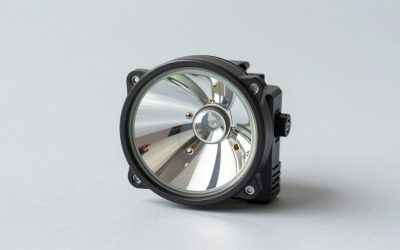
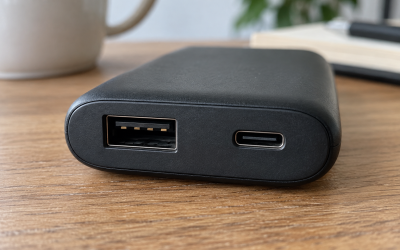
This is the charger you keep in your pack for day hikes and emergencies. It holds enough juice for roughly two phone charges, adds a 20W USB-C output that genuinely fast-charges modern phones, and shrugs off rain thanks to IPX5 waterproofing. The dual flashlights are a nice touch when your headlamp dies mid-trail. Wireless charging works but is slow compared to the USB-C port.
- Pro: 20W USB-C fast output is unusually generous at this price point.
- Pro: IPX5 waterproofing means it survives splashes and light rain without fuss.
- Con: Solar input is trickle-charge only, so do not count on it to meaningfully refill in the field.
Skip it if you need multi-day capacity or a primary charging source.
Solar Power Bank 20,000mAh with 4 Panels
The headline feature here is convenience: three built-in cables (Lightning, USB-C, Micro-USB) mean you never carry extra cords. The 20,000mAh capacity is enough for three to four phone charges on a weekend trip. The four panels fold flat and attach to a pack via grommets. It is cheap, functional, and surprisingly practical for the price.
- Pro: Built-in cables eliminate a common point of failure when you are fumbling at dark.
- Pro: 20,000mAh provides solid weekend capacity without excessive bulk.
- Con: Recharge time under the panels is painfully slow in real-world conditions.
Skip it if you want fast solar replenishment or a dedicated panel system.
SOARAISE Solar Power Bank 48,000mAh Wireless Portable Charger
At 48,000mAh, this unit is essentially a brick, but it earns its size. You get roughly ten phone charges, which means a week-long trip with a partner becomes entirely feasible without a grid connection. PD and QC 3.0 fast charging keep the 20W USB-C output at a usable level. Four panels, four cables, and flashlights round out the package at a mid-range price.
- Pro: Highest raw capacity among the all-in-one power banks in this roundup.
- Pro: Four cables plus wireless charging cover nearly any device you carry.
- Con: Weight and bulk make it impractical for backpacking; this is car-camping territory.
Skip it if you are counting every gram in your pack.
FlexSolar 40W Foldable Solar Panel Charger
This is not a battery — it is a dedicated solar panel, and that distinction matters. The 40W output is the highest in this list, which means it genuinely recharges power banks and devices at usable rates even in partial cloud cover. USB-C, USB-A, and DC outputs give you flexibility to feed anything. It folds into a compact rectangle and weighs enough to feel durable without being burdensome on a day hike.
- Pro: Real 40W input output ratio is the fastest solar charging we compared.
- Pro: Multiple output ports including DC let you charge laptops or 12V devices.
- Con: Stores no energy, so you still need a separate battery pack for overnight charging.
Skip it if you want a single all-in-one solution without extra gear.
BigBlue 28W High-Efficiency Solar Panel Charger
The BigBlue sits in a sweet spot between the FlexSolar’s raw power and portability concerns. At 28W it still recharges a 10,000mAh bank in a few hours of sun, and the dual USB-C plus USB-A configuration handles modern and legacy devices alike. The folding design is compact and the panel cells show high conversion efficiency relative to their surface area. It works well paired with a medium-capacity power bank on backpacking trips.
- Pro: Dual USB-C outputs let you charge two devices simultaneously at useful speeds.
- Pro: High cell efficiency means more usable power per square inch of panel.
- Con: Output is lower than the FlexSolar, so charging a large battery takes noticeably longer.
Skip it if you need the absolute fastest solar refill available.
MARBERO Portable Power Station 88Wh
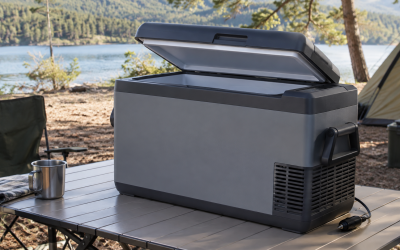
This unit brings an 110V AC outlet to the table, which opens the door for small appliances, CPAP machines, and anything with a standard plug. The 88Wh capacity and 120W surge rating cover phone charging, laptop topping, and short runs of a mini fan or light string. Eight output ports mean you rarely need to unplug one device to charge another. It is heavier than a power bank but lighter than most competitors at this capacity tier.
- Pro: AC outlet makes it viable for CPAP and small electronics at basecamp.
- Pro: Eight ports reduce cable-swapping hassle for a group setup.
- Con: 88Wh fills up fast when you start using the AC outlet; solar input is slow.
Skip it if your priority is backpacking weight savings.
BLAVOR Solar Power Bank 20,000mAh Wireless Charger
Think of this as the 10,000mAh model’s big sibling with Apple Watch compatibility added. Twenty thousand milliamp-hours cover two to three phone charges, the 20W USB-C output still fast-charges, and the four built-in cables keep your gear bag simpler. IPX5 waterproofing and a camping flashlight remain. The wireless pad works with Qi-compatible watches, which is a rare and genuinely useful inclusion at this price.
- Pro: Apple Watch charging via the wireless pad is a standout convenience feature.
- Pro: 20,000mAh plus IPX5 at under forty dollars is excellent value.
- Con: Four built-in cables add bulk compared to the slimmer 10,000mAh version.
Skip it if you do not carry an Apple Watch and prefer minimal pack weight.
Portable Solar Generator 300W
This is a full portable power station with a bundled 60W solar panel, and the 280Wh capacity puts it in a different league from everything else in this list. The 300W pure sine wave AC output runs small coolers, projectors, or a coffee maker at basecamp. QC 3.0 and USB-C ports handle phones and tablets. The bundled panel means you are solar-ready out of the box. For the price, the included panel alone is a reasonable value add.
- Pro: Pure sine wave 300W AC output handles sensitive electronics safely.
- Pro: 280Wh capacity plus a bundled 60W panel creates a complete solar system.
- Con: Weight and size make this a car-only option; no one is carrying this on a trail.
Skip it if your trips start with a hike of more than a mile.
Buying Guide
Panel Wattage versus Battery Capacity
These two specs work against each other. A higher wattage panel recharges your battery faster but adds weight and stores no energy itself. A higher capacity battery lasts longer but takes longer to refill. The practical rule: if your trip involves two or more nights without a grid connection, you need either a high-capacity bank or a separate panel with moderate capacity. Pairing a 28-40W panel with a 10,000 to 20,000mAh battery is the most balanced setup for most campers.
Output Ports and Charging Speed
Check the actual wattage per port, not just the total. A power bank that advertises “20W output” may deliver that only on a single USB-C port, while the remaining USB-A ports trickle at 10W or less. PD and QC 3.0 labeling matters because it determines whether your phone or laptop will fast-charge from the solar system. If you have an Apple Watch or wireless earbuds, a Qi pad is worth the trade-off in weight.
Durability and Weather Resistance
IPX5 means the unit handles rain and splashes, which covers most real camping scenarios. Look for rubberized edges and grommets that let you hang panels on a tree or pack without improvising. The built-in cables on several models in this list are a convenience, but they are also a single point of failure; if one cable frays, you lose a charging option. For serious backcountry use, a simple panel plus a cable-free power bank with separate cords is easier to maintain.
Our Verdict
Top pick: The FlexSolar 40W Foldable Solar Panel is the single most effective tool for converting sunlight into usable power in this group. Pair it with a medium-capacity bank and you have a system that actually keeps up with real trip demands.
Budget pick: The Solar Power Bank 20,000mAh with 4 Panels delivers surprising utility at thirty dollars, especially if you hate carrying extra cables.
If you are car camping and need to run an AC-powered device, the Portable Solar Generator 300W wins outright because nothing else in this list can plug into a wall-outlet device safely.
FAQ
Can a solar power bank fully charge a phone in one day of sun?
A 10,000mAh solar bank can recharge one phone from roughly twenty to eighty percent in a full day of direct sun, assuming you are not also draining it. The panels on these units are small and act as a supplement rather than a primary source.
Is 28W or 40W enough for camping?
Yes, for most weekend trips. A 28W panel recharges a 10,000mAh bank in about three to four hours of full sun. A 40W panel does it in roughly half that time and maintains better output on overcast days. For extended backcountry trips, 40W is the minimum I would recommend.
Do built-in solar cables on power banks work as well as separate panels?
No. Integrated panels fold against the battery body, which limits their surface area and often means they sit at a suboptimal angle. A separate folding panel can be oriented toward the sun independently and typically has a larger active cell area for the same advertised wattage.
Will rain damage my camping solar charger?
Most quality panels and power banks rated IPX5 or higher will survive rain without issue. The key is to disconnect cables and let the unit dry before storing it in a sealed bag. Water trapped in a port is the real failure point, not the panels themselves.