
Key takeaways
Best binoculars with stabilization can feel intimidating, but the core idea is simple: a built-in system cancels hand shake so high-power views stay sharp. The best binoculars with stabilization range from affordable entry pairs to premium optics, and this beginner’s guide helps you decide whether you need them and which pair fits your budget.
As an Amazon Associate we earn from qualifying purchases.
🛒 Best Price Today on Amazon
Prime members get fast, free shipping on everything above, plus member-only deals. New members get a 30-day free trial — cancel anytime.
Start 30-Day Prime Free Trial →See Today’s Amazon DealsHow to Choose the Right Best Binoculars with Stabilization
Choosing the best binoculars with stabilization is easier once you know who actually benefits and what separates entry-level from premium. The four factors below walk a first-time buyer through the decision, from whether you need stabilization at all to weight, price, and buying timing.
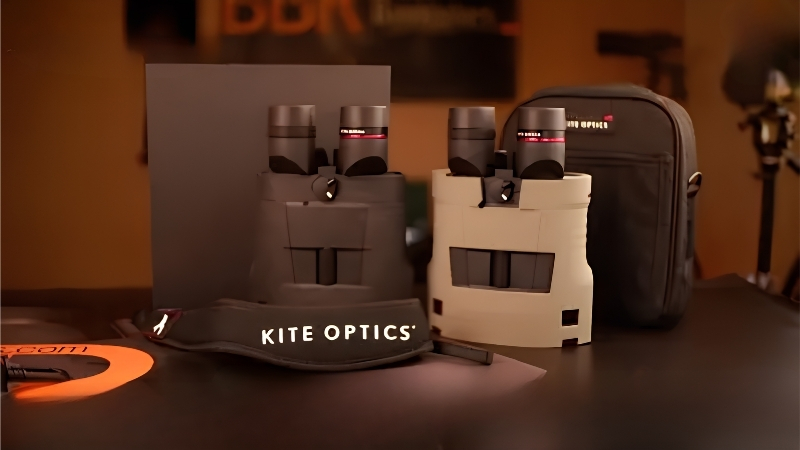
Do You Actually Need Stabilization?
Stabilization earns its cost above roughly 10x, where hand shake noticeably blurs detail. If you mostly use 8x or 10x for casual viewing, a standard pair may suffice, but at 12x and up the wobble becomes distracting and stabilization is genuinely transformative.
It’s also a game-changer for specific people. Anyone with hand tremors, reduced arm strength, or a mobility condition benefits enormously, as does anyone viewing from an unsteady platform like a boat or a moving vehicle, where a steady image is otherwise impossible. For those users, stabilization is the feature that makes binoculars usable at all.
Entry-Level vs Premium
The gap between tiers is real but manageable. An entry pair like the Canon 10×30 IS II delivers proven optical stabilization, edge-to-edge sharpness, and all-day portability at a fair price, making it the sensible first stabilized binocular for most beginners.
Premium models like the Canon 10×42 L IS WP add brighter optics, full waterproofing, and larger objectives, but at several times the cost and weight. Start with a proven mid-tier pair unless your use clearly demands the premium features.
Weight and Portability
Stabilized binoculars run heavier than standard pairs because of their electronics, so weight matters for comfort. The Nikon STABILIZED 12×25 at 13.9 ounces is featherlight for travel, while the Canon 10×42 L IS WP at 853 grams is a genuine two-hand, all-day commitment.
Think about how long you’ll hold them. For casual outings and travel, a light 25 to 30mm pair keeps fatigue down, while dedicated birding or marine use can justify the extra heft of a brighter, larger-objective model. Try to handle a pair before buying, since comfort in the hand decides whether you reach for it often.
Timing Your Purchase in 2026
There is a real reason to buy sooner this year. Stabilized binoculars are imported optics packed with electronics, and new tariffs on those components have pushed the wider outdoor category up roughly 7.7% on average, with technical parts climbing more, so the entry price of getting into stabilization is rising.
Most brands now call future pricing an estimate rather than a promise, because tariffs and supply chains remain unsettled. For a first-time buyer weighing whether to take the plunge, that means the affordable entry pair you want today may cost more next season.
Binoculars are also popular gifts, so the best discounts cluster around October deal events and late-November sales, when the model and size you want are still in stock. Buying in those windows, rather than at peak holiday demand, is the smartest way to enter stabilization without overpaying.
Top Picks for the Best Binoculars with Stabilization
Ordered from beginner-friendly to premium, these best binoculars with stabilization make it easy to buy at the right tier for your needs. Each entry names a genuine drawback so you know the trade-off going in.
| Product | Tier | Spec | Weight | Best For |
|---|---|---|---|---|
| Canon 10×30 IS II | Entry-mid | 10×30 | ~1.6 lb | First stabilized pair |
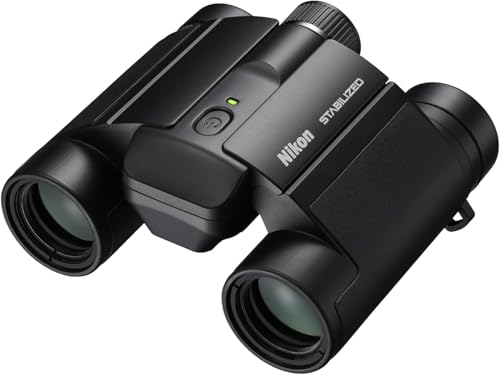
| Nikon STABILIZED 12×25 | Compact | 12×25 | 13.9 oz | Travel starters |
| Canon 12×36 IS III | Mid | 12×36 | ~1.76 lb | More reach |
| Kite APC 12×42 | Mid-premium | 12×42 | Moderate | Battery life |
| Sig Sauer Zulu6 10×30 | Mid-premium | 10×30 | Moderate | Waterproof value |
| Canon 10×42 L IS WP | Premium | 10×42 | 853 g | Upgrade pick |
Canon 10×30 IS II (Best First Stabilized Pair)
For most beginners, the Canon 10×30 IS II is the ideal entry point. Its proven Vari-Angle Prism stabilization delivers a genuinely steady, edge-to-edge view, the 30mm objective keeps it light for all-day use, and it runs 9 to 12 hours on a single AA at a fair price.
It has no water resistance, so it’s a fair-weather pair, and 10x is the modest end of where stabilization pays off. As a first taste of stabilized viewing without a big outlay, though, it’s the sensible choice, and light enough that beginners actually keep it handy rather than leaving it at home.
Nikon STABILIZED 12×25 (Best Travel Starter)
The Nikon STABILIZED 12×25 is the featherweight starter, at just 13.9 ounces it slips into a jacket pocket, yet it delivers 12x stabilized reach and a generous 17.5mm eye relief that suits eyeglass wearers, with up to 12 hours on one AA.
Its small 25mm objective gathers less light for dusk viewing and it isn’t waterproof. For a beginner who prioritizes portability and steady reach on the go, it’s an easy first pair, slipping into a coat pocket so stabilized viewing comes along every day.
Canon 12×36 IS III (Best for More Reach)
Stepping up in magnification, the Canon 12×36 IS III gives beginners the transformative 12x band where stabilization really shines, in a still-manageable roughly 1.76-pound body with Canon’s proven smooth optical correction.
It’s pricier and heavier than the 10×30 and, like most Canon IS models, lacks full waterproofing. For a first-timer who knows they want more reach, it’s a natural upgrade over 10x, bringing distant birds and wildlife noticeably closer while staying steady in the hand.
Kite APC 12×42 (Best Battery Life)
The Kite APC 12×42 is the pick for beginners who dread swapping batteries, running an exceptional 60 hours on two AA. Its fast, smooth 2-degree correction rivals pricier systems in real-world steadiness, and IPX7 sealing means weather won’t stop you.
It lacks a legacy optics brand’s cachet and sits at a mid-to-premium price. For long-day, worry-free use out of the gate, though, it’s hard to beat, sparing beginners the worry of stabilization dying mid-outing.
Sig Sauer Zulu6 10×30 (Best Waterproof Value)
The Zulu6 10×30 brings fully waterproof IPX7 sealing to a beginner-friendly 10×30 format with fast optical stabilization, making it a smart pick for those who want weather protection without stepping up to premium prices.
At 10×30 it’s on the modest end for reach and brightness, and it’s still a mid-tier spend. For a first stabilized pair that shrugs off rain and spray, it’s excellent value, and for anyone starting out near water the peace of mind is worth the modest step up.
Canon 10×42 L IS WP (Best Upgrade Pick)
When a beginner is ready to buy once and buy well, the Canon 10×42 L IS WP is the upgrade target: L-series optics, a bright 42mm objective, full waterproofing, and the most refined optical stabilization on the market for a do-everything premium pair.
It’s heavy at 853 grams, can’t focus closer than 5 meters, and commands a premium price. For those who want the best and will grow into it, though, it’s the endgame pair.
Frequently Asked Questions
Quick answers to the questions first-time buyers ask most about the best binoculars with stabilization.
Who really needs binoculars with stabilization?
Anyone viewing above 10x, where hand shake blurs detail, benefits most, as do people with hand tremors or reduced arm strength and anyone glassing from a boat or moving platform. If you only use 8x to 10x casually in steady conditions, a standard pair may be enough, but higher power makes stabilization genuinely worthwhile.
What’s a good first stabilized pair on a budget?
The Canon 10×30 IS II is the go-to first pair: proven Vari-Angle Prism stabilization, sharp optics, all-day portability, and a fair price. For maximum portability, the Nikon STABILIZED 12×25 is an ultralight alternative, and the waterproof Sig Sauer Zulu6 10×30 suits beginners who need weather protection without premium cost.
Are stabilized binoculars heavy?
They run heavier than standard pairs because of their electronics, but it varies widely. The Nikon STABILIZED 12×25 is featherlight at 13.9 ounces, while the premium Canon 10×42 L IS WP is a substantial 853 grams. For all-day comfort, a lighter 25 to 30mm model is easier to hold than a big-objective premium pair.
Do beginners need waterproof stabilized binoculars?
Only if you view in wet conditions. Casual, fair-weather users can save money with a water-resistant pair, but if you’re near water, in rain, or in humid coastal air, a fully waterproof IPX7 model like the Sig Sauer Zulu6 protects your investment. Match the sealing to where you actually plan to use them.
See More:
- best wine cooler drinks
- best cooler for boat
- best cooler for boating
- best lunch box cooler
- best cooler for boats
Final Thoughts
The best binoculars with stabilization for a first-time buyer come down to your reach, budget, and conditions, from the value Canon 10×30 IS II to the ultralight Nikon 12×25 and the premium 10×42 L IS WP. Decide whether you need stabilization, start at the right tier, and with imported-optics prices climbing, buying now keeps your entry cost in check.
Our top picks




As an Amazon Associate we earn from qualifying purchases at no extra cost to you.




Write Your Review
No reviews yet. Be the first to share your experience!