
Key takeaways
Best stabilizing binoculars aren’t one-size-fits-all; the ideal pair for a rolling boat deck looks nothing like one for pocket-sized travel. The best stabilizing binoculars match their magnification, weatherproofing, and battery life to your activity, so this guide sorts steady glass by how you actually use it outdoors.
As an Amazon Associate we earn from qualifying purchases.
🛒 Best Price Today on Amazon
Prime members get fast, free shipping on everything above, plus member-only deals. New members get a 30-day free trial — cancel anytime.
Start 30-Day Prime Free Trial →See Today’s Amazon DealsHow to Choose the Right Best Stabilizing Binoculars
Choosing the best stabilizing binoculars starts with your activity and works outward to the specs it demands. A hunter, a boater, and an astronomer prioritize different things, so the four factors below help you translate how you view into the magnification, sealing, and runtime you actually need.
Match Magnification to Your Activity
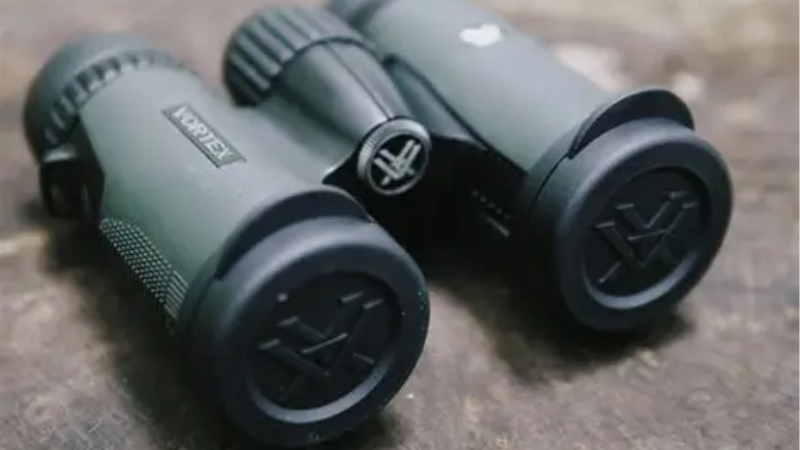
Different pursuits want different reach. Birding and general use are happiest at 10x, hunting and long-range spotting benefit from 12 to 16x, and astronomy rewards 15 to 18x for detail on the moon and star fields, with stabilization making all of those usable handheld.
The 12 to 14x band is the all-round sweet spot where stabilization becomes transformative without sacrificing brightness. Push to 18x only when your activity genuinely needs the reach, since the narrower exit pupil dims the view in low light.
Weatherproofing for Your Environment
Where you view dictates how much sealing you need. Marine and coastal users must have a fully waterproof IPX7 body like the Fujinon Techno-Stabi or Sig Sauer Zulu6, which survives submersion, while dry-weather birders can accept a merely water-resistant pair.
Fog is the hidden enemy. Nitrogen-purged, sealed optics resist internal fogging when temperatures swing, so if you glass at dawn, in coastal humidity, or in cold, prioritize a properly sealed model over an unprotected one that clouds up. In coastal or alpine air, a purged body is the difference between a clear view and a foggy one.
Battery Life for Field Time
Stabilization runs on batteries, and long days demand endurance. Kite’s APC leads at roughly 60 hours on two AA, Sig’s Zulu6 manages about 40, while Canon models deliver 9 to 12 hours on one AA and gyro Fujinons around 8 to 10 on four cells.
Cold weather cuts these numbers hard, sometimes drastically, so lithium cells and spares are essential for hunting and winter astronomy. Match runtime to your typical outing length rather than assuming the rated figure holds in the field. A pair that dies at midday is worse than a heavier one that lasts all day.
Buying Ahead of Hunting Season
Timing rewards planning this year. Stabilizing binoculars spike in demand as hunting season opens from September through November, so buying early means the magnification and model you want are in stock, and you get time to familiarize yourself with the optics before opening day.
Price is the other reason to move early. These are imported precision optics packed with electronics, and tariffs have lifted the wider category roughly 7.7% with technical components up more, while brands call future pricing an estimate. Locking in a proven stabilizing pair now hedges against both stockouts and the next increase.
Top Picks for the Best Stabilizing Binoculars
Sorted by activity, these best stabilizing binoculars help you buy for how you view rather than by spec alone. Each entry names a real drawback so there are no surprises in the field.
| Product | Activity | Spec | Waterproof | Battery |
|---|---|---|---|---|
| Canon 10×42 L IS WP | Birding | 10×42 | Yes (IPX7-class) | ~9-12 hr |
| Fujinon Techno-Stabi TS-X 1440 | Marine | 14×40 | IPX7 | ~8-10 hr |
| Sig Sauer Zulu6 16×42 | Hunting | 16×42 | IPX7 | ~40 hr |
| Canon 18×50 IS | Astronomy | 18×50 | Weather-sealed | ~AA powered |
| Nikon STABILIZED 12×25 | Travel | 12×25 | No | ~12 hr |
| Canon 10×30 IS II | All-round | 10×30 | No | ~9-12 hr |
Canon 10×42 L IS WP (Best for Birding)
For birders who chase detail at golden hour, the Canon 10×42 L IS WP is superb. Its 42mm objective and 4.2mm exit pupil deliver bright, vivid images in dawn and dusk light, the L-series optics resolve fine feather detail, and full waterproofing handles wet mornings in the field.
It’s heavy at 853 grams for all-day neck carry and can’t focus closer than 5 meters, a real limit for nearby songbirds. For serious birding where light and clarity matter most, though, it excels, and its bright, sealed optics double nicely for occasional marine or astronomy sessions.
Fujinon Techno-Stabi TS-X 1440 (Best for Marine)
On the water, the Fujinon TS-X 1440 rules. Its gyro gimbal delivers a class-leading 5 to 6 degrees of correction to hold a subject steady in rough seas, and its IPX7 body survives spray, rain, and brief submersion without complaint.
It’s bulky, runs on four AA cells, and lasts only about 8 to 10 hours, so spares are mandatory. For boaters who need the widest correction angle made, it’s the definitive marine choice, turning a distant channel marker in a swell from hopeless into readable.
Sig Sauer Zulu6 16×42 (Best for Hunting)
The Zulu6 16×42 gives hunters real long-range reach, using optical stabilization to make 16x usable handheld for glassing distant ridgelines. It’s IPX7 waterproof, delivers a wide field of view for the power, and its roughly 40-hour battery life outlasts most rivals over a multi-day hunt.
The high magnification narrows the exit pupil, dimming low-light views at first and last light, and it’s premium-priced. For spotting game at distance, it earns its place, and the long battery life keeps it ready across a full multi-day hunt without a mid-trip cell swap.
Canon 18×50 IS (Best for Astronomy)
Skywatchers who want handheld reach love the Canon 18×50 IS. Its 18x magnification and light-gathering 50mm objectives resolve lunar craters and star fields, while the stabilization steadies a view that would be a shaky mess unstabilized, and it’s weather-sealed against the elements.
It’s heavy and the narrow exit pupil limits deep low-light performance, so it’s a specialist tool. For lunar and long-range observation without a tripod, though, it’s a joy, and bracing against a rail or beanbag sharpens the view of the moon’s terminator further.
Nikon STABILIZED 12×25 (Best for Travel)
The Nikon STABILIZED 12×25 is the travel and hiking pick, weighing just 13.9 ounces to disappear into a pack. It offers 12x stabilized reach, a generous 17.5mm eye relief that helps eyeglass wearers, and up to 12 hours of runtime on a single readily available AA battery.
The small 25mm objective struggles in dim light and it isn’t waterproof, so it’s a fair-weather traveler. For steady magnification with minimal weight, it’s the easiest pair to bring along, and the one most likely to actually be in your pack when a distant subject appears.
Canon 10×30 IS II (Best All-Round)
The Canon 10×30 IS II is the versatile everyday choice, blending proven Vari-Angle Prism stabilization with edge-to-edge sharpness in a light body that suits sports, wildlife, and general use, all at a fair price and 9 to 12 hours per AA.
It has no water resistance, so keep it out of the rain. For a stabilizing pair that does a bit of everything without breaking the bank, it’s the sensible default, handling sideline sports, concerts, and backyard wildlife with steady, sharp results whenever you pick it up.
Frequently Asked Questions
Quick answers to the questions buyers ask most when matching the best stabilizing binoculars to an activity.
Which stabilizing binoculars are best for birding?
Birders benefit most from a bright, well-sealed 10x pair with a 42mm objective for golden-hour light, like the Canon 10×42 L IS WP. Stabilization steadies fine detail on distant birds, while waterproofing handles dewy mornings. If you often watch nearby birds, check the close-focus distance, since some stabilized pairs focus no closer than several meters.
Are stabilizing binoculars good for hunting?
Very much so. Higher-power stabilized pairs like the Sig Sauer Zulu6 16×42 let hunters glass distant ridgelines handheld without a tripod, and long battery life plus IPX7 sealing suit multi-day trips. Buy early before hunting season so you can familiarize yourself with the optics before opening day rather than fumbling with new gear afield.
What’s best for stargazing?
For astronomy, a higher-magnification pair with large objectives, such as the Canon 18×50 IS, resolves lunar detail and star fields while stabilization removes the shake that plagues handheld high power. The larger 50mm lenses gather more light for dim targets, though the narrow exit pupil at 18x still limits the faintest deep-sky views.
Do I need waterproof stabilizing binoculars?
It depends on your environment. Marine, coastal, and rainy-climate users should insist on a fully waterproof IPX7 pair that survives submersion, while dry-weather birders and travelers can accept water resistance. Nitrogen-purged, sealed optics also resist internal fogging in temperature swings, which matters at dawn, in humidity, and in the cold.
See More:
- best wine cooler drinks
- best cooler for boat
- best cooler for boating
- best lunch box cooler
- best cooler for boats
Final Thoughts
The best stabilizing binoculars are the ones matched to your pursuit, whether that’s the bright Canon 10×42 L IS WP for birding, the marine-grade Fujinon TS-X 1440, or the ultralight Nikon 12×25 for travel. Match magnification, sealing, and battery life to your activity, and with imported-optics prices still climbing on tariffs, buying before hunting season keeps you steady, in stock, and ahead of the next increase.
Our top picks


As an Amazon Associate we earn from qualifying purchases at no extra cost to you.




Write Your Review
No reviews yet. Be the first to share your experience!