Key takeaways
- Table of Contents 7 sections 9 min read 1 Quick Verdict 2 Side by Side 3 Where Squeeze Filter Wins 4 Where Chemical Purifier Wins 5 Cost Over 5 Years 6 Which One for Your Home 6.1 Small apartment 6.2…
What's inside
Choosing between a squeeze filter and a chemical purifier is less about finding a universal winner and more about deciding what “safe water” means in your household. A squeeze filter physically strains water through a fine membrane, while chemical purification uses tablets or drops to deactivate microorganisms. One feels like a reusable household tool; the other is compact, lightweight, and easy to store for emergencies.
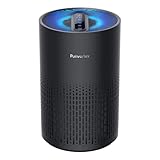
There is also an important product-category distinction. A squeeze filter is generally used for drinking water, camping, travel, and emergency preparedness. Air purifiers, including products such as the 235-CADR HEPA purifier listed for spaces up to 3,500 square feet or the Purivortex PX500 designed for rooms up to 880 square feet, address indoor air—not drinking water—and are not substitutes for either option below. The comparison here focuses on water treatment for a home, travel kit, or emergency supply.
As an Amazon Associate we earn from qualifying purchases at no extra cost to you. Product prices and availability are accurate as of the date shown and are subject to change.


Quick Verdict
Choose a squeeze filter if you want better everyday taste, repeated use, and fast treatment for sediment-filled water. It is the more comfortable option for frequent use and is usually the better choice for camping, travel, and household emergency kits that may be used for weeks.
Choose a chemical purifier if you prioritize minimal storage space, low weight, and a long shelf life. Tablets or drops can be an excellent backup for evacuation bags and situations where carrying a filter is inconvenient. They are less pleasant for routine use because treatment takes time and can affect flavor.
For many households, the smartest setup is not either-or: keep a squeeze filter as the primary tool and chemical treatment as a lightweight backup. Neither option should be assumed to remove every contaminant. Water containing fuel, pesticides, heavy metals, radioactive material, or unknown industrial chemicals requires a different treatment strategy and often professional testing.
Side by Side
| Factor | Squeeze filter | Chemical purifier |
|---|---|---|
| Primary action | Physically removes many bacteria, protozoa, and particles through a membrane | Uses iodine, chlorine dioxide, or another active chemical to deactivate microorganisms |
| Comfort | Usually better taste and no waiting after water passes through | Can leave an odor or taste; often requires a waiting period |
| Durability | Reusable, but the membrane can clog, freeze, or be damaged | Packets and tablets are light but can be ruined by moisture or expired storage |
| Price range | About $25–$75 for a personal system; larger gravity setups can cost more | About $10–$30 for a household supply of tablets or drops |
| Maintenance | Backflushing, rinsing, drying, and occasional replacement parts | Little maintenance beyond checking expiration dates and packaging |
| Space needed | Typically 8–12 inches when packed, plus a bottle or pouch | A few inches in a drawer, pouch, or emergency kit |
| Look | Visible tubing, pouches, and fittings; practical rather than decorative | Nearly invisible in storage, but packaging is not intended for display |
| Resale | Reusable branded systems may retain some value if clean and complete | Little to no resale value, especially near the expiration date |
| Best for | Frequent use, cloudy water, travel, camping, and household preparedness | Lightweight backup, evacuation kits, and occasional emergency treatment |
Where Squeeze Filter Wins
The biggest advantage of a squeeze filter is immediate, repeatable access to treated water. Fill a pouch or compatible bottle, squeeze, and water passes through the membrane into a clean container. The exact flow rate depends on the filter condition and water clarity, but a healthy personal filter can generally produce drinking water in minutes rather than requiring a chemical contact period.
Filters also tend to provide a more appealing drinking experience. They remove suspended sediment and often improve the visual clarity of water. Chemical treatments deactivate organisms, but they do not necessarily remove grit, leaves, or cloudiness. Some chemical options can also produce a noticeable taste, particularly when water is warm or treatment instructions call for a larger dose.
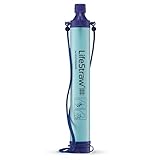
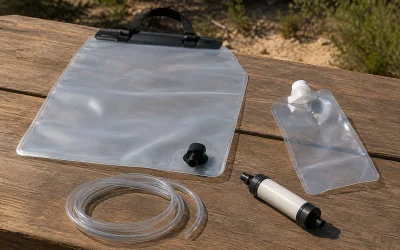
A squeeze system is especially useful when several people need water. The Sawyer Products SP129 Squeeze Water Filtration System, for example, is sold with two 32-ounce squeeze pouches, a straw, and a hydration-pack adapter at a listed price of $45.95. A setup with a larger reservoir, such as the Sawyer Squeeze system paired with a Cnoc Premium 2-liter bladder, is listed at $64.95. These are useful reference points for the cost of reusable capacity, although accessories and replacement components vary by package.
The tradeoff is care. A squeeze filter needs cleaning and backflushing to maintain flow. It should be protected from freezing because trapped water can damage the membrane. It also needs to dry thoroughly between uses. If the source water is muddy, pre-filtering through a clean cloth can reduce clogging, but cloth alone is not a purifier.
Where Chemical Purifier Wins
Chemical purification wins on portability. A small bottle of drops or a packet of tablets can treat water without a pump, pouch, hose, or rigid bottle. That makes it attractive for a grab-and-go emergency kit, a desk drawer, or a small apartment where storage is limited.
It is also easy to keep as a long-term backup. Unlike a filter membrane, chemical treatment does not freeze and generally requires no mechanical maintenance. The main responsibilities are checking expiration dates, keeping packaging dry, and following the product’s dosage and contact-time instructions. Contact time may range from roughly 30 minutes to several hours depending on the product, water temperature, and clarity, so the label—not a general rule—should determine when water is ready.
Chemicals can be useful when a filter is clogged, lost, or unsuitable for the volume you need. They are also valuable as a second layer after filtering in some emergency situations, provided the product instructions allow that use. However, chemical treatment is not always ideal for people with sensitivity to taste or for households that need large quantities of water quickly.
Do not assume that every chemical product handles every microorganism equally well. Effectiveness varies by active ingredient, concentration, water temperature, and contact time. Follow the manufacturer’s instructions carefully, and use extra caution with children, pregnant people, and anyone with a medical condition affected by iodine or other ingredients.
Cost Over 5 Years
Over five years, a squeeze filter can cost less when it is used regularly. A $45–$65 system may need replacement pouches, adapters, seals, or a replacement filter depending on usage and the manufacturer’s stated capacity. Occasional users might spend roughly $60–$100 total over five years, while frequent users who replace components could spend $100–$160.
Chemical purification starts cheaper. A basic supply may cost $10–$30, but it must be replaced as it expires. Replacing stock once or twice during a five-year period can put the total around $20–$70. That estimate assumes modest emergency use; treating water every day can raise the cost substantially.
Neither estimate includes containers, replacement drinking bottles, shipping, or the value of your time. For a family that regularly treats water, a reusable filter usually offers better value and convenience. For a rarely used backup, chemicals are less expensive and take up far less room.
Which One for Your Home
Small apartment
Choose chemical purifier packets or drops if your priority is compact emergency storage. They can live in a kitchen drawer alongside bottled-water supplies. If you expect frequent outages or want to treat questionable tap or collected water, choose a small squeeze filter and store it with a dedicated collapsible container. Avoid confusing an air purifier with a water-treatment device: even a compact $26.99 bedroom air purifier has no role in making water safe to drink.
Family with kids or pets
A squeeze filter is usually the more practical primary option because it avoids chemical taste and can produce water quickly for several people. Keep chemical treatment as backup rather than the only method, and store all tablets or drops securely away from children and pets. A larger pouch or bladder reduces repeated filling, but label treated and untreated containers clearly.
Rental
Renters benefit from equipment that needs no installation. A squeeze filter can be stored in a cabinet and taken when you move. Chemical purifiers are even easier to pack and are best when space is tight or your emergency kit must fit in a backpack. For indoor comfort, an air purifier may be a separate worthwhile purchase, but its room-coverage rating and CADR do not indicate water-treatment performance.
Long-term home
Use a squeeze filter for portable and emergency water, but consider a professionally designed whole-home or under-sink system if you need ongoing treatment. Test the water first so the equipment addresses the actual problem. Keep chemical purifier supplies as a resilient backup for storms, boil-water advisories, or evacuation. Store both according to their instructions and replace aging consumables before an emergency.
FAQ
Is a squeeze filter safer than chemical purification?
Not automatically. Safety depends on the specific product, the organisms present, correct operation, and water conditions. Filters are often more pleasant and faster, while chemicals offer compact backup protection. Neither method removes every chemical contaminant.
Can a squeeze filter remove viruses?
Many personal filters are designed primarily for bacteria, protozoa, and sediment, not all viruses. Check the exact product certification and pore-size claims. If viral contamination is a concern, use a purifier specifically rated for it or combine methods according to trusted public-health guidance.
Does chemical purifier remove dirt or bad taste?
Usually not. Chemical treatment deactivates certain microorganisms but may leave sediment and unpleasant flavors behind. Pre-filtering cloudy water can help, but it does not replace the required chemical contact time.
Should I buy both?
For most preparedness-minded households, yes. A squeeze filter makes a strong reusable primary tool, while chemical purifier packets provide a small, maintenance-free backup. In 2026, that combination remains more flexible than relying on either method alone.