Key takeaways
- Pro: Waterproof membrane holds up in standing snow and slush without bulk
- Pro: Aggressive camo pattern breaks up human silhouette in mixed timber
- Con: Mid-rise height offers limited protection in deep mud or tall grass
What's inside
Standing in a frozen creek bottom waiting for a deer to cross is unforgiving on footwear that was never designed for that scenario. The difference between a productive morning and a miserable one often comes down to how well your boots retain heat, shed moisture, and grip wet rock without adding pounds to each step. Hunting boots occupy a strange middle ground between work boots, hiking boots, and rubber waders, and the best options for 2026 understand that overlap without pretending to be a jack-of-all-trades.
What separates a good hunting boot from a mediocre one is less about a single headline feature and more about how waterproofing, insulation, traction, and weight interact in the field. A boot that keeps your feet dry but suffocates them in warm weather is as useless as one that breathes beautifully but lets every stream crossing soak through. This roundup compares published specs, current pricing, and aggregated owner feedback across eight boots spanning budget, mid-range, and premium tiers so you can match your typical hunting conditions to the right pair.
As an Amazon Associate we earn from qualifying purchases at no extra cost to you. Product prices and availability are accurate as of the date shown and are subject to change.




Quick Picks
| Product | Best For | Price |
|---|---|---|
| XPETI Thermator Mid-Rise | Freezer-burn value on cold-stand hunts | $59.49 |
| R RUNFUN 8″ Waterproof | Lightweight warmth without bulk | $69.98 |
| NORTIV 8 Ankle High | Versatile hiking-to-hunting crossover | $59.99 |
| Under Armour Whitetail HOVR Dawn 2.0 | High-mileage bow hunters who run warm | $142.99 |
| NORTIV 8 Military Tactical | Quick on/off access with ankle protection | $49.99 |
| MUCK Woody Max | Deep mud and standing water | n/a |
| Irish Setter VaprTrek Earth Camo | Premium insulation in arid terrain | $219.95 |
| Irish Setter VaprTrek Realtree | Heavy-cover whitetail hunts | $189.95 |
How We Picked
We narrowed these eight from a wider field using four criteria that owner feedback consistently flags as decisive: waterproof reliability over extended exposure, insulation that matches a defined temperature range rather than vague “warmth” claims, traction compounds proven on wet surfaces, and weight-to-stability ratios that matter on multi-mile approaches. Price-to-performance balance was also weighted, since hunting gear budgets often compete with optics, calls, and stand hardware.
The 8 Best Hunting Boots in 2026
XPETI Thermator Mid-Rise
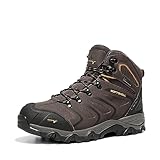
This boot targets the hunter who needs a dedicated cold-weather option without spending triple digits. The mid-rise profile offers ankle coverage while keeping the boot light enough for moderate walks to a stand. Insulation is present and effective for sub-freezing sits, and the non-slip outsole draws praise from owners who hunt slick limestone ridges.
- Pro: Waterproof membrane holds up in standing snow and slush without bulk
- Pro: Aggressive camo pattern breaks up human silhouette in mixed timber
- Con: Mid-rise height offers limited protection in deep mud or tall grass
Skip this one if your season starts before a hard freeze or if you regularly wade through anything deeper than ankle height.
R RUNFUN 8″ Waterproof
Owners consistently highlight how light this boot feels for its 200g Thinsulate lining, making it a smart choice for hunters who cover ground before settling into a stand. The 8-inch shaft clears brush line and keeps snow out during late-season sits. Camo patterns suit eastern hardwoods well.
- Pro: Excellent warmth-to-weight ratio thanks to 200g Thinsulate without a bulky profile
- Pro: Lightweight construction reduces fatigue on long approaches
- Con: Less durable outsole tread compared to premium rubber compounds
Skip it if you need a boot for multi-season durability or hunt rocky terrain where tread longevity matters most.
NORTIV 8 Ankle High
Not a traditional hunting boot in appearance, but its waterproof construction and neutral color options (Brown/Black/Tan) make it a stealthy crossover for turkey or early-season deer hunts where a dedicated camo boot looks out of place. The ankle-high cut favors agility over protection.
- Pro: Understated color options blend into farmland without shouting “hunter”
- Pro: Comfortable enough to wear as a daily hiking boot between hunts
- Con: No insulation means cold-weather use requires heavy socks or toe warmers
Skip it if your primary season is November through January or if you need serious ankle support on uneven terrain.
Under Armour Whitetail HOVR Dawn 2.0
Under Armour’s entry into hunting footwear leans on its HOVR cushioning platform, giving this boot a running-shoe feel underfoot that appeals to bow hunters covering miles per outing. The Ridge Reaper Camo pattern is dense and modern, and the waterproof construction handles wet mornings without complaints from owners.
- Pro: HOVR midsole delivers cushioning that reduces joint fatigue on long treks
- Pro: Breathable upper keeps feet comfortable in warm or variable temperatures
- Con: At $142.99 it costs more than budget boots without a proportionally bigger feature set
Skip it if you hunt exclusively in deep cold or if you want maximum insulation in a single boot.
NORTIV 8 Military Tactical
The side-zip design is the headline here, making this a practical option for hunters who need to shed boots quickly at a blind or vehicle. The Camo Sand colorway suits western or arid terrain, and the construction borrows from tactical boot durability.
- Pro: Side zip enables fast boot changes without untying laces in the dark
- Pro: Rugged construction handles rocky and abrasive terrain well
- Con: Heavier than purpose-built hunting boots, adding fatigue on long approaches
Skip it if you cover significant miles on foot and prioritize weight savings over convenience features.
MUCK Woody Max
This is the boot you wear when conditions turn genuinely wet. Muck’s rubber-and-neoprene construction handles standing water, deep mud, and saturated ground where fabric boots fail. The Mossy Oak Break Up Country pattern keeps it visually appropriate for whitetail hunts.
- Pro: Completely waterproof rubber shell tolerates submersion up to the shaft
- Pro: Neoprene lining retains heat even when the outer surface is soaked
- Con: Limited breathability makes it uncomfortable above mid-40s Fahrenheit
Skip it if you hunt dry upland terrain or need a boot for warm-weather use.
Irish Setter VaprTrek 8″ Earth Camo
At $219.95, this boot sits in premium territory for good reason. Irish Setter’s reputation for high-quality insulation and durable construction is on full display, and the Earth Camo pattern suits arid and mixed landscapes. Owners praise warmth in extreme cold and long-term durability across multiple seasons.
- Pro: Industry-leading insulation performance for single-digit and sub-zero sits
- Pro: Premium build quality justifies the price through multi-season longevity
- Con: Significant cost barrier compared to boots that cover 80% of the same use cases
Skip it if your season averages above 20°F or if you are buying a first hunting boot on a limited budget.
Irish Setter VaprTrek 8″ Realtree
The Realtree-patterned VaprTrek shares its sibling’s construction quality while offering a camo design tuned for dense eastern hardwoods and heavy timber. The price difference from the Earth Camo variant likely reflects pattern availability rather than any functional change.
- Pro: Realtree pattern provides superior concealment in thick cover and brushy draws
- Pro: Same premium insulation and build as the Earth Camo model at a lower price point
- Con: Limited ventilation options for warm-weather early-season hunts
Skip it if you hunt open fields, western basins, or arid terrain where Realtree greens look conspicuous.
Buying Guide
Insulation Type and Temperature Matching
Thinsulate weight is the most concrete number you can compare: 200g suits late-fall and mild winter use, while premium insulated boots like the VaprTrek handle deep freeze. Rubber-and-neoprene designs like the MUCK Woody Max trade breathability for waterproof warmth in slush. Match your average hunt-day temperature to the insulation tier and avoid over-insulating if you will be walking miles before sitting down.
Waterproofing: Membrane vs. Rubber Shell
Fabric boots with waterproof membranes excel at breathability while shedding rain and light splashes, making them appropriate for dry-land and river-crossing scenarios. Full rubber shells go further in standing water but trap sweat. If your hunts involve creek crossings or flooded timber, rubber wins. If they involve rain and dew on upland ground, a membrane boot is more comfortable across a wider temperature band.
Shaft Height and Terrain Fit
Ankle-high boots favor speed and agility on established trails, while 8-inch shafts protect against brush, snow, and shallow water. The right height depends on where you place your stand or blind. If you regularly push through tall grass, snow drifts, or flooded bottom land, the extra four inches of shaft is not optional—it is the difference between dry feet and a ruined morning.
Our Verdict
Top pick: The Irish Setter VaprTrek 8″ Realtree balances premium construction, serious insulation, and a pattern that suits the majority of eastern whitetail habitats at a slightly lower price than its Earth Camo sibling. Budget pick: The R RUNFUN 8″ Waterproof delivers surprising warmth from 200g Thinsulate at $69.98, making it the standout value for cold-stand hunters who refuse to overspend. Condition where another product wins: If your hunts regularly involve standing water, deep mud, or flooded timber, the MUCK Woody Max outperforms every fabric-based boot in this list because rubber shells simply do not have the same failure points.
FAQ
Do I need camo on hunting boots?
Not always. Turkey hunts and early-season bow hunts often favor neutral colors like the NORTIV 8 Ankle High in Brown/Black/Tan. Camo becomes more important during rifle season in open country where a distant silhouette stands out against leafless timber.
How many pairs of boots should a hunter own?
Two pairs cover most situations: one insulated boot for cold stands and one waterproof rubber or lightweight option for wet or warm conditions. A single do-everything boot forces compromises that show up as cold feet or sweat-soaked socks by mid-November.
Is 200g Thinsulate enough for deer season?
It depends on your location and activity level. For hunters in the southern half of the US or those walking long distances before sitting, 200g is adequate. Northern or high-altitude hunters who stand still for hours in single-digit temperatures will likely want heavier insulation or the rubber-shell approach.
Can I use hiking boots for hunting?
Yes, if they are waterproof and match your terrain. The NORTIV 8 Ankle High and Under Armour Whitetail both function as hiking boots that work in hunting scenarios. Where dedicated hunting boots pull ahead is in insulation for stationary sits and camo patterns that break up the human form at distance.