Key takeaways
What's inside
- Capacity and Volume Sweet Spots
- The Power of Strippability and Modular Design
- Frame Sheets, Stays, and Load Transfer
- Fabric Durability Versus Weight Penalties
- Secure Attachment Systems for Tools and Crampons
- Harness Compatibility and Torso Length
- When It Makes Sense to Spend More
- Related Guides
- FAQ
- Related Guides
Choosing an alpine climbing pack is vastly different from picking a standard day hiking bag or even a heavy-duty mountaineering haul bag. When you are pushing up a technical rock face, scrambling over mixed terrain, or racing an incoming storm in 2026, your pack becomes an extension of your body rather than just dead weight on your back. The ideal alpine pack needs to balance minimalist efficiency with rugged durability, ensuring it can handle granite abrasion, sharp crampon points, and heavy loads of protection without throwing off your center of gravity.
- Capacity and Volume Sweet Spots
- The Power of Strippability and Modular Design
- Frame Sheets, Stays, and Load Transfer
- Fabric Durability Versus Weight Penalties
- Secure Attachment Systems for Tools and Crampons
- Harness Compatibility and Torso Length
- When It Makes Sense to Spend More
- Related Guides
- FAQ
- Related Guides
Unfortunately, the market is flooded with options that look sleek on paper but fail miserably in real mountain environments. Manufacturers often cut corners on critical structural elements to shave off ounces, leaving you with a floppy sack that sags when loaded with ice tools and a rack. Understanding what actually matters—from frame rigidity and stripping options to torso sizing and harness integration—will save you money, frustration, and energy when it counts the most.
As an Amazon Associate we earn from qualifying purchases at no extra cost to you. Product prices and availability are accurate as of the date shown and are subject to change.
Capacity and Volume Sweet Spots
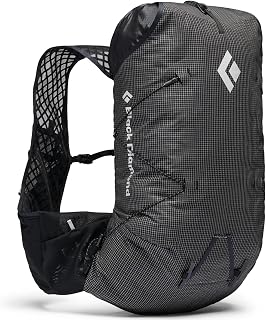
Volume management is the single most critical factor when selecting an alpine pack. For single-day winter routes or fast-and-light summer alpine rock climbs, a volume between 30 and 40 liters is usually the absolute sweet spot. This size allows you to comfortably pack your essential layers, a shell, a light technical rack, a half-rope, food, water, and emergency bivy gear without having external gear dangling dangerously off every side of the bag. If you drop below 30 liters, you will likely struggle to fit everything inside, forcing you to strap crampons or helmets to the outside where they can snag on rock. Conversely, packing a massive 50-liter bag for a quick day route encourages overpacking and shifts your center of gravity backward, making technical climbing significantly harder. Save larger volumes strictly for multi-day objectives involving heavy sleeping systems and glacier gear.
The Power of Strippability and Modular Design
Modern alpine climbing demands versatility, which is why modular features and strippability are non-negotiable for serious mountaineers. A truly great alpine pack allows you to strip away unnecessary weight when you want to move fast and light on summit day. Look for packs with removable frame sheets, detachable top lids (brains), and removable hip belt pads or webbing straps. When you strip the pack down to its bare essentials for a hard rock pitch, it should transform into a streamlined, low-profile shell that won’t catch on overhangs or restrict your reach. Modular compression straps and removable bungees also let you customize how you secure skis, pickets, or poles depending on the specific objective.
Frame Sheets, Stays, and Load Transfer
One of the most common debates in alpine pack design centers around framed versus frameless construction. Completely frameless packs are incredibly light, but they rely entirely on your sleeping pad or careful internal packing to keep their shape. If packed poorly, a frameless pack will barrel against your back and sag away from your shoulders, causing uncomfortable pressure points and poor load transfer to your hips. For technical climbing with a full rack and heavy steel crampons, a lightweight HDPE frame sheet paired with a single aluminum stay or composite rod is vastly superior. This setup provides just enough rigidity to transfer weight effectively to your hips while retaining the torsional flexibility needed to twist, reach, and stem naturally on rock.
Fabric Durability Versus Weight Penalties
Material technology has evolved dramatically, giving climbers access to ultra-high-molecular-weight polyethylene and heavy-duty ripstop nylon weaves that resist tears without adding massive weight penalties. When evaluating a pack’s fabric, look for high-tenacity nylon with a thick PU or silicone coating, or specialized composite fabrics in high-wear areas like the bottom and lower sides. Alpine packs take a severe beating against abrasive granite chimneys, sharp limestone edges, and freezing ice. Saving a few ounces by choosing a paper-thin silnylon fabric is a false economy if the pack shreds during its third route of the season. Focus on reinforced base panels and weatherproof face fabrics that can handle being dragged up a couloir or stuffed aggressively into a snow cave.
Secure Attachment Systems for Tools and Crampons
How you carry your tools can make or break a technical climb. Ice axe attachment systems need to be secure, fast to operate with gloved hands, and low-profile so they do not catch on brush or rock when you are not using them. Look for packs featuring micro-axe buckles or secure toggle systems that lock tool heads firmly in place. Furthermore, check the exterior for robust daisy chains or dedicated crampon pockets. Stashing crampons safely without puncturing your pack or your gore-tex shell requires durable lash points or a dedicated front beaver-tail pocket. Flimsy webbing loops will tear out under the weight of swinging steel points after only a few seasons of heavy use.
Harness Compatibility and Torso Length
An alpine pack must sit high enough on your back to prevent interference with your climbing harness, gear loops, and belay device. If a pack is too long for your torso, the hip belt will ride down over your harness, making it difficult or impossible to access your gear clips or comfortably execute a rappel. Always measure your torso length and match it to the manufacturer’s sizing specifications rather than buying a one-size-fits-all model. Additionally, look for a tapered bottom design and a slim profile that keeps your arms completely free to swing, place protection, and pull on steep ice without clipping the pack’s side panels.
When It Makes Sense to Spend More
Budget alpine packs can get you up basic snow slopes, but investing in a premium technical model pays off quickly in terms of safety and efficiency. Higher-end packs typically feature advanced ergonomic load-lifters, proprietary weatherproof laminates that shed spindrift and wet snow, and hardware built to withstand freezing temperatures without snapping. If you frequently climb in wet or sub-zero conditions where keeping your insulation and bivy gear dry is a matter of survival, paying extra for welded seams and superior weather-resistant closures is entirely worth the investment.
Related Guides
To see how the top models compare in real-world testing, check out our comprehensive Best Alpine Climbing Packs in 2026: Tested and Ranked review.
FAQ
What size pack is best for a standard one-day alpine rock climb?
A 30 to 35-liter pack is generally ideal for single-day alpine rock routes. It provides enough room for layers, a light technical rack, and food without encouraging you to carry unnecessary weight that hinders your climbing mobility.
Should I remove the hip belt on my alpine pack?
You should remove or tuck away the hip belt if it interferes with your climbing harness or gear loops. Many modern alpine packs feature removable padded hip belts or simple webbing straps that keep the pack stable without blocking access to your rack.
How do I protect my pack from being shredded by crampons?
Always store your sharp crampons inside a dedicated hard case or a puncture-resistant external pocket designed specifically for them. If your pack lacks a crampon pocket, strap them securely to reinforced daisy chains using robust webbing straps rather than loose bungees.
Are waterproof alpine packs necessary?
While fully waterproof packs with welded seams are fantastic for wet maritime alpine climates, a durable water-repellent (DWR) coating paired with an internal dry bag or lightweight trash compactor liner is often sufficient and more modular for most traditional objectives.