
Key takeaways
What's inside
Best hiking at Zion National Park takes a little planning, because permits, a mandatory shuttle, and desert heat shape every trip. This guide to the best hiking at Zion National Park covers the logistics, the top trails by difficulty, and the gear to pack, so your day runs smoothly from the visitor center to the summit.
As an Amazon Associate we earn from qualifying purchases at no extra cost to you. Product prices and availability are accurate as of the date shown and are subject to change.



As an Amazon Associate we earn from qualifying purchases at no extra cost to you. Product prices and availability are accurate as of the date shown and are subject to change.
By Jake Thompson, gear writer at Roger Bacon Outdoors
🛒 Best Price Today on Amazon
Prime members get fast, free shipping on everything above, plus member-only deals. New members get a 30-day free trial — cancel anytime.
How to Plan the Best Hiking at Zion National Park
Two things wreck more Zion itineraries than anything else: missing a permit and getting caught out by the logistics. Planning around permits, the shuttle, the season, and safety is what turns a stressful visit into a great one. Here is what to sort out before you arrive for the best hiking at Zion National Park.
Permits and the Shuttle
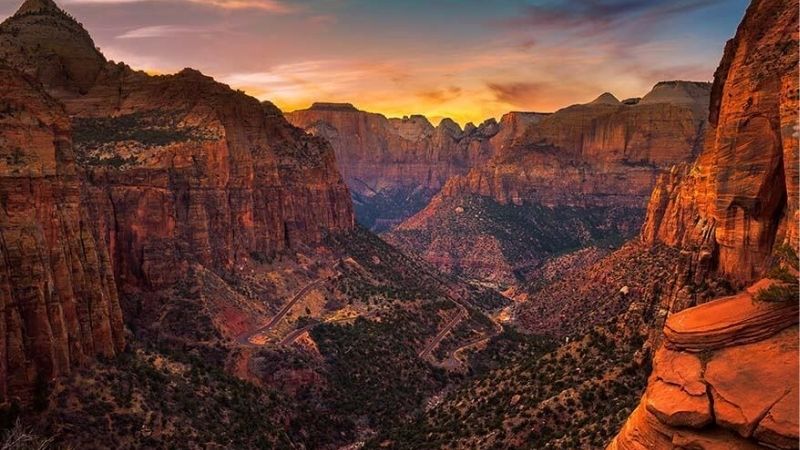
From roughly March through November, private vehicles cannot drive the Zion Canyon Scenic Drive, so the free park shuttle is the only way to reach the main trailheads. Arrive early, since lines grow long fast, and a seven-day vehicle entry pass costs about thirty-five dollars at the gate.
Angels Landing’s chained section requires a permit through a Recreation.gov lottery, with a seasonal draw and a day-before draw, and rangers check at Scout Lookout. The top-down Narrows also needs a competitive permit. Apply early and keep flexible plans, since permits can be hard to win.
Best Seasons and Timing
Spring and fall bring the most comfortable temperatures and the best all-around trail access, which is why they are peak season. Summer is hot enough that you should be on the trail by dawn and finished by late morning, then rest in the shade or the river through the afternoon heat.
Season also affects specific hikes. The Narrows can close during spring snowmelt or after storms when the river runs high, and heavy-snow years keep high trails closed into early summer. Always check current conditions and the flash flood forecast at the visitor center before committing to a canyon hike.
Safety and Desert Heat
The desert is less forgiving than it looks. Temperatures can swing up to 40 degrees in a day, so carry layers, and plan on about a gallon of water per person daily. The Virgin River is not drinkable due to toxic cyanobacteria, so never filter and drink it on a hike.
Respect the specific hazards. Angels Landing’s exposure is genuinely dangerous for anyone uneasy with heights, flash floods can strike The Narrows even under blue skies upstream, and illegally parked cars are towed. A little caution here protects both your day and your safety.
Best Hiking at Zion National Park by Difficulty
Matching a trail to your fitness and comfort is the key to a good day. Here are standout hikes sorted by difficulty, so you can pick the best hiking at Zion National Park for your group.
Easy Trails
For gentle, scenic walks, the paved Riverside Walk runs a nearly flat 2.2 miles to the mouth of The Narrows and suits almost anyone. The Lower Emerald Pool Trail adds a short 1.2-mile loop past pools and seasonal waterfalls, and the paved Pa’rus Trail offers an easy, stroller-friendly stretch along the river.
These trails are ideal for families, hot afternoons, or a lighter day, and they still deliver the towering canyon walls Zion is famous for. They are also your reliable backup when permits fall through or high trails close, so keep them in mind as flexible options.
Moderate Trails
Step up to the Watchman Trail, a roughly 3.3-mile round trip to a bench with wide canyon views, or the Canyon Overlook Trail, a short one-mile round trip to a dramatic viewpoint near the east side. Both reward modest effort with big scenery and neither requires a permit.
For a bigger moderate day, Observation Point via the East Mesa Trail is a roughly 6.5-mile, mostly flat round trip that needs no permit and finishes looking down on Angels Landing from 700 feet higher. It is the savvy choice when the Angels Landing lottery does not go your way.
Strenuous Trails
The marquee challenges are Angels Landing and a long Narrows wade. Angels Landing is a 5.4-mile round trip climbing about 1,488 feet to an exposed, chained fin that demands a permit and a head for heights, finishing with drop-offs on both sides of a path under three feet wide.
A full bottom-up Narrows hike can run many miles of wading against the current through cold water, a strenuous, committing day. The West Rim Trail offers another long, demanding option with sweeping high-country views. All three reward strong hikers who prepare, hydrate, and start early.
Gear for Hiking at Zion National Park
The right gear makes desert canyon hiking safe and comfortable, and it is what separates a great day from a rough one. These five essentials cover the best hiking at Zion National Park, all real and widely available.
| Item | Why It Matters |
|---|---|
| Hydration reservoir | About a gallon of water per day |
| Water shoes / neoprene socks | Cold, rocky Virgin River |
| Trekking poles | River current and steep grades |
| Sun protection | Intense high-desert exposure |
| Ventilated daypack | Carry water, layers, and gear |
Water and Sun Protection
Hydration comes first in the desert. A 3-liter reservoir lets you drink about a gallon over a long day without stopping, and refilling before you board the shuttle keeps you covered where trailside water is scarce or unsafe. Dehydration in the heat is the most common way Zion hikes go wrong.
Sun protection is equally vital. A wide-brim hat, a sun hoodie or long sleeves, sunglasses, and high-SPF sunscreen shield you on open, shadeless trails where the reflected canyon light intensifies exposure. These lightweight items prevent the sunburn and heat exhaustion that cut so many desert days short.
Footwear for The Narrows
If The Narrows is on your list, your everyday hikers are the wrong tool. Neoprene socks keep your feet warmer in the cold Virgin River, and grippy closed-toe water or canyoneering shoes protect against the slick, uneven, ankle-rolling rocks that fill the riverbed for the entire hike.
You can rent a full Narrows package in Springdale, but buying your own neoprene socks and sturdy water shoes makes sense if you plan to return or hike other cold-water canyons. Whatever you choose, avoid flimsy sandals, since the current and footing demand real protection and traction.
Bring a small dry bag for your phone and keys too, since a slip in the river is easy and the water is cold. Wool or synthetic socks under neoprene add warmth on chilly mornings, when the canyon stays in shadow long after the rim catches the sun.
Trekking Poles and a Daypack
Trekking poles earn their place at Zion. In The Narrows, a pole gives you a crucial third point of contact against the current and helps you probe for footing in murky water, while on steep grades like the switchbacks below Scout Lookout, poles ease the load on your knees.
Carry it all in a comfortable, ventilated daypack of around 20 to 30 liters, big enough for a reservoir, layers, snacks, and safety gear. A suspended mesh back panel keeps you cooler on hot climbs, which matters on exposed, high-desert trails where airflow makes a real comfort difference.
Frequently Asked Questions
These are the questions travelers ask most when planning the best hiking at Zion National Park. Short answers follow.
How many days do I need to hike Zion?
Two to three days let you cover the highlights comfortably, mixing a marquee hike like Angels Landing or The Narrows with easier trails and a scenic day. One focused day can hit a single big trail plus a short walk, while longer stays add Kolob Canyons and quieter routes away from the main crowds.
Is Angels Landing too dangerous for beginners?
The exposed, chained section is genuinely risky for anyone uneasy with heights, with steep drop-offs along a path under three feet wide. Beginners comfortable with exposure can do it carefully with a permit, but those who are not should stop at Scout Lookout, which offers the same climb and huge views without the danger.
What should I do if I don’t get a permit?
Plenty of top trails need no permit. Hike Observation Point via East Mesa to look down on Angels Landing, stop at Scout Lookout, wade the bottom-up Narrows, or explore the Emerald Pools and Watchman Trail. Many hikers find these alternatives deliver a better, less crowded day.
Can I hike Zion with kids?
Yes. Easy, mostly flat trails like the Riverside Walk, Pa’rus Trail, and Lower Emerald Pool suit families and deliver classic canyon scenery with little strain. Save the exposed or cold-water hikes for older, prepared kids, and always carry ample water and sun protection in the desert heat.
See More:
- best travel backpack for females
- best backpack for laptops
- best hydrogen water bottle
- best headlight restoration kit
Final Thoughts
The best hiking at Zion National Park comes down to planning around permits, the shuttle, the season, and the heat, then matching trails to your group and packing for the desert and the river. Sort permits early, start at dawn in summer, and carry plenty of water and sun protection. Buy your Narrows footwear and daypack before you go.





Write Your Review
No reviews yet. Be the first to share your experience!