
Key takeaways
Pocket binoculars best suited to travel and hiking fold flat, slip into a jacket pocket, and weigh almost nothing, yet still bring distant wildlife, scenery, and stadium action into clear view. The right compact pair balances genuine pocketability with bright, sharp glass and a comfortable, easy-to-focus design you will actually carry every day.
Our top picks


As an Amazon Associate we earn from qualifying purchases at no extra cost to you.
As an Amazon Associate we earn from qualifying purchases.
🛒 Best Price Today on Amazon
Prime members get fast, free shipping on everything above, plus member-only deals. New members get a 30-day free trial — cancel anytime.
Start 30-Day Prime Free Trial →See Today’s Amazon DealsHow to Choose Pocket Binoculars
The pocket binoculars best for you fold small, stay light, and still deliver a bright, usable view. Compact optics always trade some brightness for portability, so the goal is finding the pair whose size, glass, and magnification match how and where you plan to use them.
Size, Weight, and Folding Design
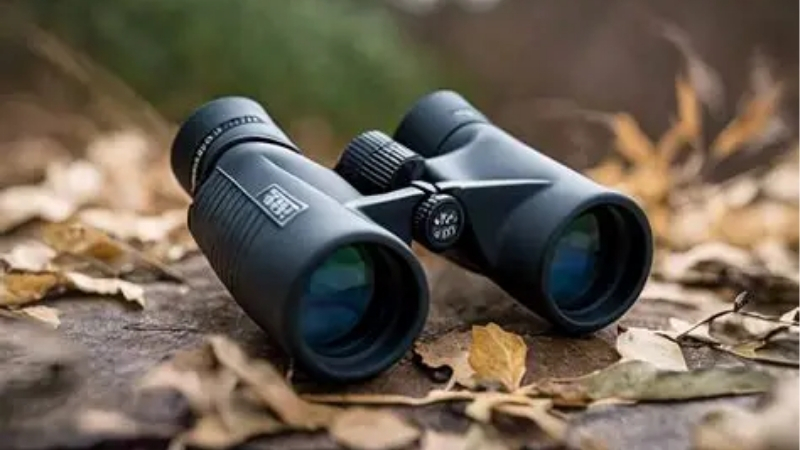
True pocket binoculars use a double-hinged bridge that folds down to roughly the footprint of a deck of cards. The Zeiss Terra ED Pocket 8×25, for example, weighs about 10.9 ounces and disappears into a jacket pocket, making it easy to bring along without a second thought.
Objective size drives both bulk and brightness. A 25mm lens keeps things tiny, while 28mm to 32mm compacts are larger but brighter. Decide whether ultimate pocketability or low-light performance matters more, since that single choice shapes which compact pair fits your kit.
Magnification and Brightness
For compacts, 8x is the sweet spot, offering a steady, wide view that is easy to hold and follow. A 10x pocket pair reaches farther but magnifies hand shake and narrows the field, which is more noticeable in a lightweight body than in full-size binoculars.
Small objectives gather less light, so pocket pairs shine in daylight and dim in dawn, dusk, and dense forest. If you mostly glass in good light while traveling or hiking, a 25mm compact is ideal; for low light, step up to a 30mm or 32mm option.
Glass, Coatings, and Comfort
ED glass and fully multi-coated lenses lift a compact from washed-out to crisp and contrasty. Zeiss T* hydrophobic coatings shed water and add clarity, while BaK-4 phase-coated prisms sharpen detail. These features separate a pair you enjoy from one you leave at home.
Comfort matters even at this size. Twist-up eyecups and 15mm or more of eye relief help eyeglass wearers see the full view, and a large, knurled focus wheel makes quick adjustments easy. Waterproof, nitrogen-filled bodies survive rain and humidity on the trail.
Value, Tariffs, and Timing
Pocket binoculars span from budget travel pairs to premium alpha compacts, and outside costs are rising. Industry surveys report tariff-driven increases near 7 to 8 percent across outdoor gear, and optics that rely on imported glass and precision components feel that pressure too.
Because quality compacts last for decades, buying a proven pair when it fits your budget hedges against future increases. Optics also go on sale in the holiday season, so watch for discounts and grab the pocket binoculars best matched to your travels when a strong model actually drops.
Top Picks: Best Pocket Binoculars
These six compacts range from featherweight luxury pairs to rugged value picks, all proven performers. The table offers a quick comparison before we detail who each suits, so you can find the pocket binoculars best for your travels and budget.
| Model | Config | Standout Features | Best For |
|---|---|---|---|
| Zeiss Terra ED Pocket 8×25 | 8×25 | ED glass, ~10.9 oz, folds flat | Best overall pocket |
| Leica Ultravid 8×20 | 8×20 | Under ~250g, premium glass | Ultralight luxury |
| Nikon Trailblazer 8×25 | 8×25 | Light, folds small, great value | Budget travel |
| Vortex Diamondback HD 8×28 | 8×28 | Rugged, waterproof, VIP warranty | Value with reach |
| Zeiss Terra ED Pocket 10×25 | 10×25 | Same pocket body, more reach | Extra magnification |
| Bushnell H2O 8×25 | 8×25 | Gas-sealed, fully waterproof | Budget waterproof |
Zeiss Terra ED Pocket 8×25
The Terra ED Pocket 8×25 is the pocket champion, folding to roughly a deck-of-cards footprint at about 10.9 ounces. SCHOTT ED glass and Zeiss hydrophobic coatings deliver bright, razor-sharp, color-accurate images, and a close 5.7-foot focus lets you study nearby birds and insects.
Its 25mm objectives limit low-light brightness, so it is happiest in good daylight rather than at dawn or dusk. For travel, hiking, and casual birding where pocketability and image quality both matter, it is the pair to beat.
Leica Ultravid 8×20
The Ultravid 8×20 is the ultralight luxury pick, tipping the scales under roughly 250 grams while delivering the refined optics Leica is famous for. It vanishes in a pocket or bag, so it is the compact you carry when weight and quality both come first.
The tiny 20mm objectives gather the least light here, and the premium price is steep. But for travelers and enthusiasts who want alpha-grade glass in the smallest possible package, few pairs feel as special in the hand.
Nikon Trailblazer 8×25
The Trailblazer 8×25 proves great pocket optics need not cost a fortune. It folds down small and light for travel, day hikes, and events, slipping into a jacket pocket so you always have binoculars on hand without carrying a full-size pair.
Its 25mm objectives dim in low light like other compacts, and the glass is not premium. As a grab-and-go pair for bright conditions at a wallet-friendly price, though, it is a superb value that earns its place in any travel kit.
Vortex Diamondback HD 8×28
The Diamondback HD 8×28 is the value pick for anyone wanting real reach and durability in a compact body. Slightly larger 28mm objectives brighten the view over 25mm pairs, and the rugged, waterproof, rubber-armored frame shrugs off the elements on the trail.
It is a touch bulkier than a true fold-flat pocket pair, so it is less shirt-pocket friendly. Backed by Vortex’s transferable VIP warranty and HD glass, however, it is one of the best-value compacts for hikers and scouters.
Zeiss Terra ED Pocket 10×25
The Terra ED Pocket 10×25 shares the same fold-flat body and ED glass as the 8×25 but adds 10x magnification for extra reach. At about 10.9 ounces it stays fully pocketable, making it a strong choice when you want to pull distant subjects a little closer.
Ten power in such a light body shows more hand shake, so a steady grip or a rest helps at distance. For travelers who prioritize reach over the widest, steadiest view, it is the pocket binoculars best suited to spotting far-off detail.
Bushnell H2O 8×25
The H2O 8×25 is the budget waterproof pick, using gas-sealed, O-ring construction to survive a full dunk and heavy rain. That makes it ideal for kayaking, boating, and humid climates where cheaper compacts fog up or fail after getting wet.
Its glass is basic compared with ED-equipped rivals, and low-light performance is modest. But for an affordable, rugged, truly weatherproof compact you will not baby around water, it delivers dependable value.
Frequently Asked Questions
Travelers shopping for compacts tend to ask the same questions. Here is what to know before choosing the pocket binoculars best matched to your trips and budget.
Are pocket binoculars good enough for birding?
For casual birding in good light, yes. Quality compacts like the Zeiss Terra ED deliver bright, sharp images that reveal plenty of detail. For serious dawn-and-dusk birding, though, a larger 30mm or 32mm objective gathers more light and gives a brighter, easier view.
Is 8x or 10x better in a compact?
In a lightweight pocket body, 8x is usually better because it gives a steadier, wider view that is easy to hold. A 10x compact reaches farther but shows more hand shake and a narrower field, so choose it only if extra reach outweighs steadiness for you.
Why do compact binoculars dim in low light?
Their small objective lenses gather less light than full-size 42mm or 50mm pairs, so images look darker at dawn, dusk, and in dense forest. In bright daylight the difference is minor, which is why compacts are best matched to well-lit travel and hiking use.
Can pocket binoculars handle rain?
Many can. Look for nitrogen-filled, O-ring sealed bodies rated waterproof and fogproof, like the Zeiss Terra ED or Bushnell H2O. Budget pairs without sealing can fog internally when wet, so if you expect rain or water, choose the pocket binoculars best sealed against the wet.
See More:
- Best bike hydration pack
- Best bicycle hydration pack
- Best rain jacket for warm weather
- Best hot weather rain jacket
- Best camping multi tool
Final Thoughts
The pocket binoculars best for you fold small enough to always carry, stay light on your neck, and still deliver a bright, sharp view in the conditions you use them most. The Zeiss Terra ED Pocket 8×25 leads on all-around quality and pocketability, the Leica Ultravid 8×20 wins on ultralight luxury, and the Nikon Trailblazer 8×25 covers the budget. With optics prices under upward pressure from tariffs, buying a proven pair now can hedge against future increases, and quality compacts last for decades. Match the size and magnification to your travels, favor good glass and comfortable eye relief, and the view will reward you on every trip.




Write Your Review
No reviews yet. Be the first to share your experience!