
Key takeaways
Best binoculars deer hunting picks all prioritize the same things: bright low-light glass for dawn and dusk, enough magnification to judge a rack, and a build that survives the woods. This guide compares five proven optics by glass quality, magnification, and value, so you can pick apart cover and spot bucks when it counts.
Our top picks




As an Amazon Associate we earn from qualifying purchases at no extra cost to you.
As an Amazon Associate we earn from qualifying purchases.
🛒 Best Price Today on Amazon
Prime members get fast, free shipping on everything above, plus member-only deals. New members get a 30-day free trial — cancel anytime.
Start 30-Day Prime Free Trial →See Today’s Amazon DealsHow to Choose the Best Binoculars Deer Hunting Optics
Choosing the best binoculars deer hunting setup means weighing four things: low-light performance, magnification, glass coatings, and durability. Deer move most at dawn and dusk, so here is how each factor helps you see them when the light is worst.
Low-Light Performance
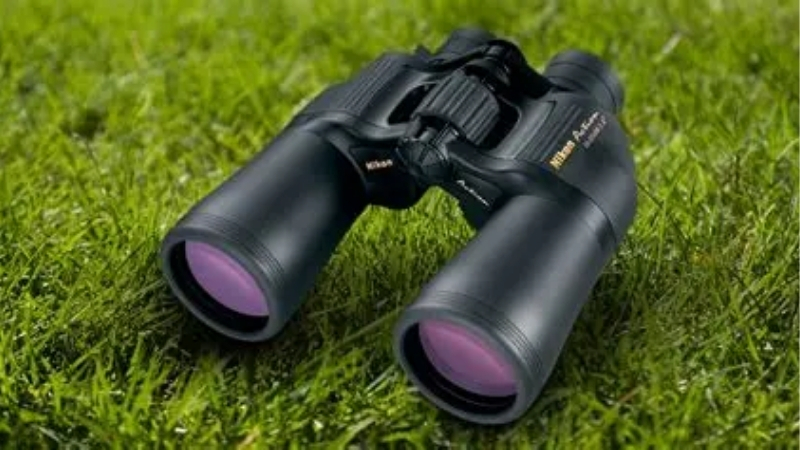
Deer are most active in dim light, so glass that gathers light is everything. A 42mm objective paired with quality coatings brightens dawn and dusk views, while systems like Leupold’s Twilight Max squeeze extra minutes of usable light out of the edges of legal shooting hours.
Coatings do the heavy lifting. Dielectric prism coatings reflect nearly all light to your eyes, and ED glass cuts the color fringing that muddies detail. Together they turn a gray, flat, low-light scene into a brighter image where you can actually judge an animal in the shadows.
Magnification for Judging Game
Ten power is the deer-hunting standard. A 10×42 gathers enough light while magnifying enough to judge antler size and body detail at distance, which is why it dominates hunting lineups. It is still steady enough to hold by hand for most hunters glassing from a stand or ridge.
Eight power has its place in cover. In thick timber or for quick, wide scanning, an 8×42 offers a wider field of view and steadier image. For open country and sizing up a distant buck, though, the extra reach of 10x is usually the better deer-hunting choice.
Durability and Comfort
Hunting is hard on gear. Rubber armor, waterproof and fogproof sealing, and a rating like IPX7 that survives brief submersion keep your optic working through rain, snow, and knocks. A binocular harness spreads the weight and keeps the glass secure and ready on long sits and stalks.
Comfort affects how long you glass. Generous eye relief matters for eyeglass wearers, and a wide field of view helps you find and track game faster in cover. A non-slip grip and thumb indents make one-handed glassing easier when your other hand is on a rifle or a rest.
Prices and the Best Time to Buy
Prices are climbing. New tariffs have pushed outdoor and optics costs up roughly 7.7 percent, so hunting binoculars increasingly cost more at full retail, especially models with ED glass and premium coatings.
Timing helps you save. Deer season demand peaks from September through November, so the best binoculars deer hunting deals often land just before season or during the Black Friday and Cyber Monday sales in late November, when optics discounts run deepest.
If a pair already fits your hunting, buying earlier locks in stock and today’s price before season demand and further tariff increases push it higher. A strong warranty stretches value too, so weigh lifetime coverage, which several brands here offer, into your decision.
Top Picks: The Best Binoculars Deer Hunting Buys Right Now
These five optics span budget workhorses to premium glass. The table lists the headline specs, and the notes below explain who each one suits and where it compromises on glass, eye relief, or price.
| Model | Config | Glass | Standout | Best For |
|---|---|---|---|---|
| Vortex Diamondback HD 10×42 | 10×42 | HD, dielectric | Value + VIP warranty | Best overall |
| Nikon Monarch M5 10×42 | 10×42 | ED glass | 18.4mm eye relief | Glass quality |
| Leupold BX-2 Alpine HD 10×42 | 10×42 | Twilight Max | Low-light edge | Dawn and dusk |
| Maven B1.2 10×42 | 10×42 | Premium ED | Edge-to-edge clarity | Premium pick |
| Vortex Crossfire HD 10×42 | 10×42 | Multi-coated | Budget price | Best budget |
Vortex Diamondback HD 10×42 – Best Overall
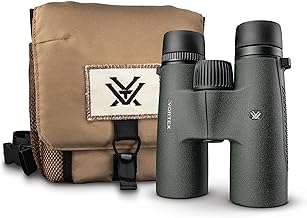
For most deer hunters, this is the best binoculars deer hunting value. The 10×42 Diamondback HD pairs dielectric, fully multi-coated HD glass with a lightweight 21.3-ounce body, one of the widest fields of view in its class at 330 feet at 1,000 yards, rugged ArmorTek-coated lenses, and Vortex’s unbeatable VIP lifetime warranty.
The trade-offs are honest: eye relief is limited at around 15mm, which eyeglass wearers should note, and there is some edge distortion and chromatic aberration on close inspection. But for the price, the bright, clear, detailed image and durable build make it the workhorse most hunters should buy.
Details seal it: a short-hinge design with thumb indents gives a secure, non-slip grip, the wide field helps you find game fast in cover, and the weatherproof build shrugs off rain and snow. As a best-seller with a deep review base, it has proven itself in the field for years.
Nikon Monarch M5 10×42 – Best Glass Quality
Hunters who want sharper glass on a mid budget get the most here. The Monarch M5 10×42 uses ED glass and dielectric-coated prisms for cleaner, brighter images with less color fringing, plus a generous 18.4mm of eye relief and multi-position twist-lock eyecups that suit eyeglass wearers well.
Its compromise is a slightly narrower field of view than the Diamondback at 288 feet, and a price a step above budget optics. But the ED glass, comfortable eye relief, and Nikon’s long-standing reputation make it a superb choice for hunters who prioritize a crisp, comfortable view.
Leupold BX-2 Alpine HD 10×42 – Best for Dawn and Dusk
Hunters glassing in the worst light should look here. The BX-2 Alpine HD pairs 10×42 optics with Leupold’s Twilight Max Light Management System, which squeezes extra usable minutes out of dawn and dusk, plus slightly better eye relief than some budget rivals for comfortable low-light glassing.
Its honest limit is the poorest close-focus distance of this group, making it less versatile for nearby subjects like birds around camp. But for its core job, seeing deer at the edges of legal light, its low-light management and solid mid-range build make it a dependable, hunt-focused choice.
Maven B1.2 10×42 – Best Premium Pick
Hunters who want top-tier glass get the most from this one. The B1.2 10×42 delivers superior edge-to-edge clarity, the best eye relief in its comparison group, and impressive close focus, with premium ED glass that renders a bright, sharp, distortion-free image well into low light.
The catch is cost and heft: it can run roughly twice the price of the Diamondback and carries more weight in the field. But for hunters who spend hours behind glass and want a premium view that reveals every detail of a distant buck, its optical quality justifies the investment.
Vortex Crossfire HD 10×42 – Best Budget
Hunters on a tight budget get the most here. The Crossfire HD 10×42 delivers fully multi-coated HD optics, a wide 325-foot field of view, an ArmorTek scratch-resistant finish, and waterproof, fogproof sealing at a price well under 250 dollars, backed by the same VIP lifetime warranty.
It gives up some brightness and edge sharpness to the pricier HD-glass and ED models, so it is not the pick for serious low-light glassing. But for a durable, weatherproof, genuinely capable deer-hunting binocular at an entry-level price, it delivers remarkable value for the money.
Frequently Asked Questions
Still weighing the best binoculars deer hunting optics for your setup? These common questions cover magnification, low light, eye relief, and harnesses for the field.
Is 8×42 or 10×42 better for deer hunting?
Ten by forty-two is the more common deer choice, offering enough magnification to judge antlers and body detail at distance while still gathering good low light. An 8×42 gives a wider, steadier view for thick cover and quick scanning, so pick 10x for open country and 8x for timber.
What makes binoculars good in low light?
A 42mm objective gathers plenty of light, and quality coatings do the rest. Dielectric prism coatings reflect nearly all light to your eyes, ED glass sharpens the image, and low-light management systems extend usable minutes at dawn and dusk, when deer are most active.
Does eye relief matter for hunting binoculars?
Yes, especially for eyeglass wearers. Longer eye relief, around 16 to 18mm, lets you see the full field of view with glasses on, while short eye relief can cut it off. If you hunt in glasses, prioritize a model like the Monarch M5 with generous, comfortable eye relief.
Do I need a binocular harness?
For long sits and stalks, a harness is worth it. It spreads the weight across your shoulders instead of your neck, keeps the glass secure against your chest, and makes it quick to raise for a look. Some binoculars, like Vortex’s, include a harness in the box.
See More:
- Double sleeping bag best
- Best brand of sleeping bag
- Best low cost hiking boots
- Best winter hiking boots for men
- Best bargain hiking boots
Final Thoughts
The best binoculars deer hunting choice for you depends on your budget and terrain: the Vortex Diamondback HD 10×42 for all-round value, the Nikon Monarch M5 for glass quality, the Leupold BX-2 Alpine for dawn and dusk, the Maven B1.2 for premium clarity, and the Crossfire HD for budget hunting. With optics prices rising under new tariffs, buying the right pair before season or during a known sale window is the surest way to spot more deer at a fair price.




Write Your Review
No reviews yet. Be the first to share your experience!